


- Phenol peel is a deep chemical peel used for facial rejuvenation and to improve wrinkles, acne scars, dark spots, and skin laxity.
- Because of serious risks, including heart complications, it should only be performed under strict medical supervision.
- Recovery can take up to 3 months and usually involves redness, swelling, peeling, and careful sun protection.
A phenol peel is a cosmetic treatment in which an acid is applied to the skin to reach deeper layers. It is used for facial rejuvenation and to soften wrinkles and expression lines because it stimulates collagen production and improves skin firmness.
This type of peel is stronger and more aggressive than other chemical peels. Because of this, it should only be performed by a dermatologist or plastic surgeon in a hospital setting, after a health evaluation and with cardiac monitoring during the procedure.
A phenol peel should only be performed under strict medical supervision. The FDA warns that strong chemical peels can cause serious skin injuries and should only be done by a dermatologist or other licensed, trained professional.
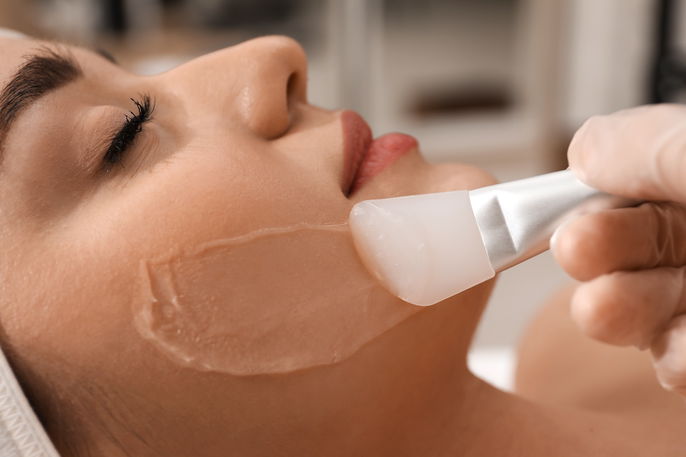
Main uses
A phenol peel is used for:
-
Facial rejuvenation
-
Evening out skin tone
-
Removing dark spots
-
Reducing skin laxity
-
Eliminating acne scars
-
Softening wrinkles and expression lines
A phenol peel should be performed by a dermatologist or plastic surgeon, depending on the treatment goal.
How it works
A phenol peel causes a chemical burn in the skin, which leads to inflammation and peeling while also stimulating collagen production.
This type of peel should only be performed when recommended and supervised by a dermatologist or plastic surgeon, after the person’s health status has been evaluated.
In addition, a phenol peel should be performed in a hospital setting when higher concentrations of the acid are used. It may also be performed in an office setting when lower concentrations are used and only small areas of the face are treated.
The doctor must use cardiac monitoring equipment during all phenol peels, because this procedure can cause serious heart complications.
How to prepare
To prepare for a phenol peel, you should:
-
Tell the doctor if you have any heart, kidney, or liver problems, or if you have had problems related to any cosmetic procedures in the past.
-
Have blood tests and an electrocardiogram (ECG), as recommended by the doctor.
-
Avoid sun exposure and apply sunscreen every day for at least four weeks before the peel, to help prevent uneven pigmentation in the areas that will be treated.
-
Avoid cosmetic treatments such as microneedling, carboxytherapy, or even milder peels, such as mandelic acid, so the skin is not overly exposed and less likely to develop dark spots.
-
Avoid hair removal with wax or razors in the week before treatment, to prevent skin injury and dark spots after phenol is applied.
-
Avoid exfoliating the skin in the week before treatment, so the skin stays intact and is less likely to be damaged after the acid is applied.
You should also tell the doctor about any long-term medication use or any recent treatment, especially treatments that make the skin more sensitive to sunlight, to avoid interactions or slower recovery after the procedure.
Does a phenol peel hurt?
A phenol peel can be painful, which is why it is performed with anesthesia in a hospital setting. This may include local anesthesia with sedation or general anesthesia.
After the procedure, it is also common to have pain for several hours, as well as facial swelling on the day after the acid is applied.
Procedure steps
A phenol peel is performed by a dermatologist or plastic surgeon under carefully monitored conditions in a hospital setting.
To perform a phenol peel, the doctor follows these steps:
-
Attaches a cardiac monitor using electrodes placed on the chest, to monitor heart rate during the procedure
-
Cleans the skin of the face
-
Administers local anesthesia with sedation or general anesthesia
-
Applies phenol to a small area of the face, allowing an interval of about 15 minutes between each area
-
Applies water to neutralize the phenol
-
Applies a layer of ointment, adhesive tape, or medicated gauze over the skin to help prevent dryness or pain
Phenol is applied with cotton or gauze without vigorous rubbing, because this may cause the acid to penetrate faster and increase the risk of toxicity.
The full facial procedure may take about 90 minutes.
Phenol peel before and after
There is a significant difference in the skin before and after phenol is applied.
After a phenol peel, the treated areas may show a major improvement in appearance, revealing a new layer of smooth skin and providing noticeable rejuvenation.
Once healing is complete, the skin becomes lighter and more radiant, less saggy, and the appearance of deep wrinkles and severe pigmentation is clearly reduced.
Although the results may last for decades and make a person look younger, they may not be permanent. As a person ages, signs of aging become more noticeable and can lead to new expression lines, in addition to sun damage that can reverse the results and cause changes in skin color.
Recovery time
Because it is a very deep treatment that causes redness, intense peeling, facial swelling, and a burning sensation, a phenol peel has a long and uncomfortable recovery compared with other types of peels. Full skin recovery may take about 3 months.
About 1 week to 15 days after the procedure, the skin starts to peel and shed.
Recovery begins immediately after the procedure, and the person must be closely observed and evaluated by the doctor during the first 4 hours.
Aftercare instructions
After a phenol peel, certain steps are needed during recovery, such as:
-
Staying at home during the first 15 days after treatment
-
Avoiding rubbing the skin when washing your face, and instead use light patting motions
-
Drying the face with a clean, dry towel by gently pressing it against the skin, without rubbing
-
Applying cold compresses to the face for 10 minutes every hour during the first 2 days after the procedure
-
Sleeping in a position that helps reduce swelling, avoiding direct contact between the face and any surface
-
Applying the moisturizer recommended by the doctor 3 to 5 times a day, to keep the skin hydrated and support healing
-
Using medications prescribed by the doctor, such as pain relievers and antibiotic ointments
-
Not pulling at skin that is peeling or flaking
In addition, it is essential to avoid sun exposure for about three months after the peel, because the skin is sensitive and does not yet have enough protection. It is important to use the sunscreen recommended by the doctor, with at least SPF 30, before leaving home and even on cloudy days.
Watch for any new symptoms in the days after the procedure, such as fever, severe itching, or discharge. If you notice any of these, seek medical care right away so treatment can start as soon as possible.
Potential risks
During a phenol peel, phenol can be absorbed through the skin and enter the bloodstream, where the phenol itself can damage heart cells and trigger dangerous arrhythmias or even cardiac arrest.
In addition, phenol peel can cause toxicity in the liver and kidneys, corneal damage, respiratory depression, and anaphylactic shock.
Phenol peels should only be performed by an experienced dermatologist or plastic surgeon, in a hospital or appropriately equipped clinic, with facilities for emergency care and continuous cardiac monitoring during the procedure.
Phenol peel products should only be used under proper medical supervision, as the FDA warns they can cause serious skin injuries. The American Academy of Dermatology also recommends that a phenol peel be performed by a licensed and trained provider, such as a dermatologist, after an in-person evaluation.
When to avoid
Phenol peels are not recommended in certain situations, including
-
Pregnancy and breastfeeding
-
Heart, liver, and/or kidney problems
-
Medium to dark skin tones
-
Active herpes or a bacterial or fungal infection
-
Skin healing problems
-
Facial dermatitis
-
Use of photosensitizing medications
-
Immune system problems
-
Allergy to peel ingredients
In addition, people who have used isotretinoin to treat acne within the past 6 months should not choose this type of peel.
This procedure can cause scarring and changes in skin color, and skin darkening is more common with this type of peel. Because of this, it is important to understand the possible effects and the expected results.
