


Pellagra is a rare disease caused by a deficiency of vitamin B3, also known as niacin, or of its precursor, the amino acid tryptophan. This deficiency affects how the body functions and can lead to a wide range of symptoms.
Pellagra can lead to skin problems, diarrhea, and neurological symptoms such as headaches, confusion, or memory loss. It can occur when a person doesn’t get enough vitamin B3 from the diet (typically found in animal-based foods) or when the body has trouble absorbing nutrients due to intestinal malabsorption.
For this reason, it is important to identify the cause of pellagra so the most appropriate treatment can be started. Treatment may include dietary changes and the use of vitamin B3 supplements.
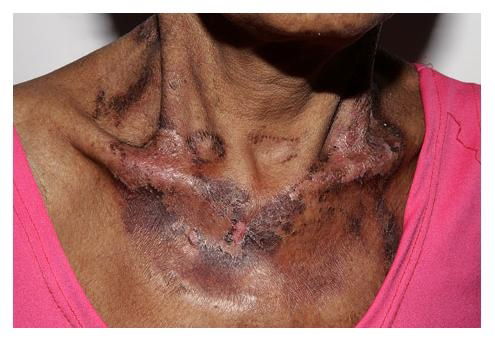
Main symptoms
The main symptoms of pellagra are:
-
Chronic diarrhea, which may contain blood
-
Symmetrical skin lesions on areas more exposed to the sun
-
Redness on the face in a butterfly-like pattern
-
Redness and itching on the backs of the hands
-
Thickening and darkening of the skin
-
Cracks on the feet, which may cause pain when walking
-
A dry, red, and swollen tongue
-
Abdominal pain
-
Weakness
-
Nausea and vomiting
-
Memory loss, confusion, and disorientation
-
Mood changes
Pellagra is characterized by the “four Ds”: dermatitis, diarrhea, dementia, and dysfunction, according to the NIH Genetic and Rare Diseases Information Center.
If these symptoms occur, it’s important to see a healthcare provider to confirm the diagnosis and begin the right treatment. Without treatment, the condition can worsen, leading to delusions, coma, and eventually death from multiple organ failure.
Confirming a diagnosis
Pellagra is diagnosed by a primary care provider or dermatologist based on an evaluation of the signs and symptoms.
To confirm the diagnosis, the specialist may order blood and urine tests to check the amount of vitamin B3 in the body.
In some cases, a skin biopsy may also be recommended to rule out other conditions that can cause similar symptoms.
Possible causes
Depending on the cause, pellagra can be classified into two main types:
-
Primary pellagra, which happens due to insufficient intake of foods rich in niacin and tryptophan, an amino acid that is converted into niacin in the body
-
Secondary pellagra, which happens because of changes in how vitamin B3 is absorbed in the body, which may be related to excessive alcohol use, certain medications, Crohn’s disease, malnutrition, cirrhosis, or dialysis
In addition, some types of cancer may also contribute to the development of pellagra because they can directly interfere with tryptophan metabolism, preventing it from being converted into niacin.
Treatment options
Treatment for pellagra should be guided by a doctor and a registered dietitian, based on the cause of the vitamin B3 deficiency and the person’s specific symptoms.
Nutritional supplements such as niacinamide and nicotinic acid may be recommended along with other B-complex vitamins. The World Health Organization also advises treating pellagra with nicotinamide and a vitamin B-complex or yeast product to correct possible deficiencies in other B vitamins.
From a dietary standpoint, it is recommended to eat:
-
Foods rich in tryptophan, such as cheese, nuts, almonds, eggs, avocado, and peas
-
Foods rich in vitamin B3, such as chicken, fish, sesame seeds, tomatoes, and chestnuts
When pellagra develops as a result of another illness, it’s important to see the specialist managing that condition so the underlying cause can be properly treated. It’s also helpful to address habits that can lower vitamin levels, such as heavy alcohol use, inappropriate medication use, or eating a diet low in essential vitamins.
