


- Parasomnia can disrupt sleep with episodes such as sleepwalking, night terrors, nightmares, bruxism, and sleep paralysis.
- Some parasomnias are more common in children, while others can affect people at any age and happen during NREM or REM sleep.
- Treatment depends on the cause and may include sleep habits, therapy, or medication.
Parasomnia is a group of sleep-related behavior disorders that can happen before sleep, during sleep, or while waking up. It can frequently disrupt sleep and lead to symptoms such as daytime tiredness or increased anxiety at bedtime.
There are several types of parasomnia, including sleepwalking, night terrors, bruxism, nightmares, and sleep-related movement disorders. These episodes can happen during different stages of sleep.
Treatment for parasomnia is guided by a psychiatrist, pediatrician, or sleep specialist. Depending on the case, treatment may include psychotherapy, better sleep habits, or medication.
NREM vs REM
Parasomnias can be classified based on the stage of sleep in which they occur:
1. NREM-related parasomnias
NREM-related parasomnias usually occur in children and cause partial awakening during sleep. They arise during the first three stages of sleep, also known as non-REM sleep.
In this type of parasomnia, the person may keep their eyes open, talk, or act without awareness. They may not remember the episode the next day.
2. REM-related parasomnias
REM-related parasomnias occur during the stage of sleep associated with dreaming, known as REM sleep, which stands for rapid eye movement.
These types of parasomnias usually happen early in the morning and, unlike NREM parasomnias, the person is often able to remember the episode.
Main types
The main parasomnias include:
1. Sleepwalking
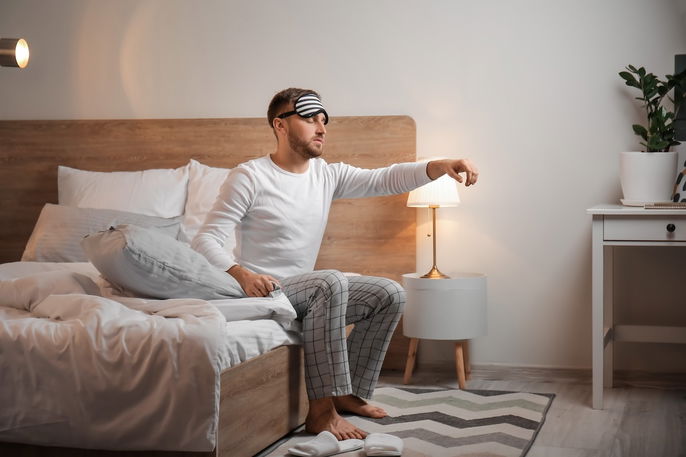
Sleepwalking is a type of NREM-related parasomnia that usually occurs during the third stage of non-REM sleep, which is deep sleep.
This type of parasomnia is characterized by getting out of bed and walking while asleep. It may also involve more complex behaviors, such as picking up objects or trying to leave the house.
Sleepwalking usually occurs between 4 and 8 years of age and is more common in girls. It typically happens about 1 to 2 hours after the person falls asleep.
What to do: it is important to avoid triggers that may lead to sleepwalking and to maintain good sleep hygiene.
In some cases, a doctor may recommend medications such as anti-anxiety medications or antidepressants.
According to the American Academy of Sleep Medicine, waking a person during a sleepwalking episode is not dangerous, but the person may be confused or angry when awakened.
2. Night terrors
Night terrors are a type of NREM parasomnia that is more common in children ages 3 to 7. They can cause symptoms such as crying or screaming during the night without fully waking up, bedwetting, or getting up and running.
This type of parasomnia usually begins 1 to 2 hours after falling asleep, during the third stage of non-REM sleep.
Night terror episodes usually last from a few seconds to a few minutes. After that, the child goes back to sleep and does not remember what happened.
What to do: night terrors usually go away without treatment.
However, it is recommended to keep the sleep environment calm and quiet and to protect the area around the bed to help prevent injury during an episode.
It is important not to wake the child during a night terror, as this may make the episode worse and increase agitation. Instead, caregivers should watch for injuries or safety risks during the episode.
3. Nocturnal enuresis
Nocturnal enuresis (bedwetting) is another type of NREM parasomnia that occurs during deep sleep, or the third stage of non-REM sleep.
This type of parasomnia causes involuntary urination during the night and is more common in children older than 5, especially boys.
What to do: behavioral psychotherapy can help in this type of parasomnia and usually involves encouraging the child to urinate regularly during the day and avoid drinking liquids before bed.
In some cases, a pediatrician may prescribe medications such as desmopressin or oxybutynin.
4. Sleep-related eating disorders
Sleep-related eating disorders are also a type of NREM parasomnia.
This type of parasomnia is characterized by eating and drinking during sleep without remembering it after waking up.
Besides leading to excessive eating, which can affect health, sleep-related eating disorders may also cause the person to eat raw meat, frozen foods, pet food, or even cleaning products.
What to do: it is recommended to see a psychiatrist or sleep specialist, who may prescribe antidepressant medication.
It may also help to place locks on the refrigerator, cabinets, or oven to make access to food, drinks, and toxic products more difficult.
5. Confusional arousal
Confusional arousal is a type of NREM parasomnia that is common in children between 2 and 5 years old. It usually happens within the first 2 to 3 hours of sleep and lasts 5 to 15 minutes.
During an episode of confusional arousal, the person wakes up confused and disoriented in time and place, responds slowly, and may have memory loss. In children, there may be no memory of waking up at all.
What to do: confusional arousal may go away by around 5 years of age without treatment. However, in some cases, it may continue after that age, cause distress, and affect the child’s quality of life.
For this reason, it is recommended to see a pediatrician so the right treatment can be recommended. It is also important to avoid medications that interfere with sleep and to keep a regular sleep routine.
6. Sleep-related abnormal sexual behaviors
Sleep-related abnormal sexual behaviors, also known as sexsomnia, are another type of NREM-related parasomnia.
In this type of parasomnia, the person has sexual activity without being aware of it and usually does not remember it the next day.
Sexsomnia usually occurs in more advanced parasomnia episodes and may be associated with restless legs syndrome or obstructive sleep apnea (OSA).
What to do: treatment is usually done with anti-anxiety medication prescribed by a sleep specialist.
The doctor may also recommend treatment for OSA, such as continuous positive airway pressure (CPAP), which, according to the National Heart, Lung, and Blood Institute, is the most common treatment and helps keep the airways open during sleep.
7. Nightmares
Nightmares are frightening episodes that occur during REM sleep. They are very common in children and teenagers, although they can happen at any age.
Nightmares can happen without an obvious cause, but in some cases they may be triggered by fear, stress, or anxiety.
They may also be caused by certain medications, post-traumatic stress disorder (PTSD), breathing problems, or psychiatric conditions.
What to do: psychotherapy using behavioral techniques has shown good results in cases of frequent nightmares.
In more severe cases, a psychiatrist may recommend medication such as prazosin, especially when nightmares are related to PTSD.
8. Sleep paralysis
Sleep paralysis is a type of REM-related parasomnia that involves being unable to move at the beginning of sleep, during sleep, or while waking up. The person can usually move only the eyes and may also have frightening hallucinations.
Episodes of sleep paralysis can last from a few seconds to a few minutes and usually go away on their own.
Although this parasomnia is more common in teenagers and adults, it can also happen in children and may be associated with stress or poor sleep habits.
What to do: because episodes of sleep paralysis are usually brief and do not pose a health risk, treatment is often not necessary.
However, it is recommended to follow a bedtime routine that supports a good night’s sleep. In some cases, a doctor may prescribe antidepressants to help prevent new episodes.
9. Sleep bruxism
Bruxism is the unconscious act of clenching or grinding the teeth over and over. It can lead to tooth wear, jaw pain, and headaches upon waking.
This REM-related parasomnia may be caused by genetic, neurologic, or breathing-related factors, such as snoring and sleep apnea. It may also be related to psychological factors such as stress or anxiety.
Excessive caffeine intake, alcohol use, smoking, or frequent drug use may also increase how often bruxism happens.
What to do: it is recommended to see a dentist for an evaluation, as treatment may be needed in some cases.
To help prevent tooth wear and jaw problems, a dentist may recommend wearing a night guard while sleeping.
10. REM sleep behavior disorder
REM sleep behavior disorder is a condition in which, instead of having the normal loss of muscle tone that happens during REM sleep, the person makes violent movements such as punching or kicking.
As a result, children or adults may injure themselves or the person sharing the bed with them.
What to do: in this case, a psychiatrist may prescribe a nighttime benzodiazepine, especially clonazepam.
