


- Coenzyme Q10 plays an essential role in cellular energy production and may help reduce fatigue while supporting exercise performance.
- Its antioxidant activity supports heart health, brain function, skin appearance, and overall immune protection.
- Natural food sources and supplements offer ways to maintain healthy coenzyme Q10 levels, especially as they decline with age.
Coenzyme Q10 is a naturally occurring compound found in the body’s cells, where it helps produce energy and supports normal physical and mental vitality. Because it plays a key role in cellular energy production, many people associate it with better stamina, reduced fatigue, and improved exercise performance.
This enzyme also has antioxidant properties, which help protect cells against damage from free radicals. These benefits may support the immune system and contribute to overall cardiovascular, brain, and metabolic health. Some research suggests that coenzyme Q10 may have a helpful role in conditions like high blood pressure, high cholesterol, and heart failure, although more evidence is needed for confirmation.
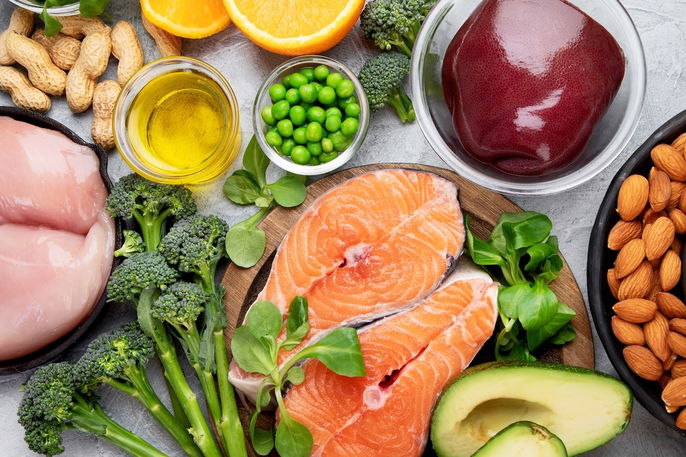
In addition to natural production in the body, coenzyme Q10 can be obtained from certain foods, especially meats and fish. It is also available as a dietary supplement in capsules or tablets, which some people take to help support heart health, exercise recovery, skin appearance, or overall well-being.
Health benefits
Some benefits associated with coenzyme q10 include:
1. Improves energy levels
Coenzyme Q10 plays an essential role in cellular energy production, which helps boost stamina during physical activity. It also reduces oxidative stress, supporting muscle recovery, improving fatigue, and enhancing overall workout performance.
2. Helps prevent cardiovascular diseases
As a strong antioxidant, coenzyme Q10 supports artery health and helps prevent the buildup of fatty plaques. This may reduce the risk of conditions like high blood pressure, atherosclerosis, and heart attack.
People who take statins for high cholesterol may have lower natural levels of coenzyme Q10, and supplementation may help reduce common statin-related symptoms, such as muscle pain and cramps.
3. Supports treatment of heart failure
Some studies indicate that coenzyme Q10 supplementation may improve artery function and reduce complications of heart failure, including kidney problems, liver damage, heart attack, or even death. More research is still needed, but early findings are promising.
4. Supports brain health
Coenzyme Q10 helps support energy production and healthy blood flow in the brain, which may benefit mental energy, memory, and concentration. This enzyme may also help balance oxidative stress, potentially supporting mood and reducing the risk of age-related brain conditions like dementia, Parkinson’s disease, or Alzheimer’s disease. However, more studies are needed to confirm these effects.
5. Helps prevent premature aging
Thanks to its antioxidant activity, coenzyme Q10 helps protect the skin from free radicals and the effects of ultraviolet radiation. When used in supplements or topical creams, it may help reduce wrinkle formation and delay early signs of aging.
6. Helps relieve fibromyalgia symptoms
Because of its antioxidant properties, coenzyme Q10 has been used to help ease symptoms of fibromyalgia, including fatigue, depression, morning tiredness, and muscle pain.
7. May help reduce cancer risk
Coenzyme Q10 supports immune function and helps protect cells from damage caused by free radicals. While early findings suggest it may help reduce the overall risk of cancer development, more research is needed before it can be recommended for this purpose.
8. Supports fertility
Coenzyme Q10 levels naturally decrease with age, making eggs and sperm more vulnerable to oxidative damage. Supplementation may improve fertility by supporting sperm quantity and quality in men and egg quality in women.
Does coenzyme Q10 help with weight loss?
Coenzyme Q10 supports energy production, which may help improve stamina during physical activity. Better exercise performance can increase calorie and fat burning, which may indirectly support weight loss. However, there is no evidence that coenzyme Q10 causes weight loss directly.
Foods rich in coenzyme Q10
Coenzyme q10 can be naturally found in the following foods:
Some fruits and vegetables, including broccoli, spinach, garlic, avocado, and apples, also contain small amounts of coenzyme Q10. A balanced and varied diet is important to help support overall nutrient intake.
Coenzyme Q10 supplements
Coenzyme Q10 supplements are often recommended for older adults or for people taking statins to help maintain healthy levels. They may also be used to support heart health, exercise performance, or fibromyalgia symptoms.
Types of supplements
Coenzyme Q10 supplements come in two forms:
-
Ubiquinone, the oxidized form that the body converts into ubiquinol
-
Ubiquinol, the reduced form that is absorbed more easily and is ready for use in the body
Some supplements contain only coenzyme Q10, while others include additional vitamins or minerals.
How to take and dosing
Typical doses range from 50 mg to 200 mg once daily, depending on individual needs and healthcare guidance. Creams containing coenzyme Q10 are also available for supporting skin health and helping prevent early signs of aging.
Possible side effects
Coenzyme Q10 supplements may cause digestive symptoms such as stomach pain, nausea, vomiting, diarrhea, or insomnia. Less commonly, dizziness, low blood pressure, light sensitivity, irritability, headache, heartburn, involuntary movements, or fatigue may occur. Allergic reactions are possible in rare cases.
Contraindications for use
Coenzyme Q10 supplements are not recommended for:
-
Children or adolescents
-
Pregnant or breastfeeding women
-
People with kidney or liver disease
-
People receiving chemotherapy
Those who use medications for diabetes, warfarin, or theophylline, or who have hypoglycemia, should use coenzyme Q10 only with medical supervision.