


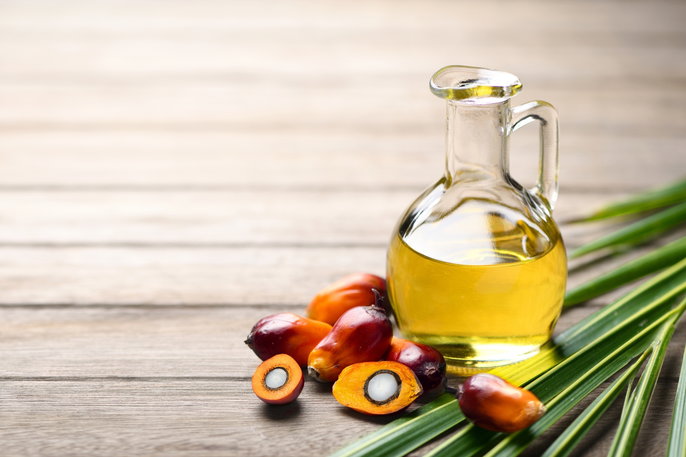
Palm oil is a vegetable oil extracted from the fruit of the oil palm tree, known scientifically as Elaeis guineensis. It is used in Brazilian cooking and in the production of foods such as chocolate and ice cream.
Also known as red palm oil, this vegetable oil may offer some benefits, such as supporting skin, hair and brain health. These palm oil benefits are mainly linked to its fat content and vitamin E.
However, palm oil is high in saturated fat. For this reason, eating it in large amounts may be harmful to health, as it can increase total cholesterol and “bad” LDL cholesterol levels in the blood and raise the risk of heart disease.
Is palm oil bad for you?
When consumed in large amounts, palm oil can be harmful to health. This is because palm oil is rich in saturated fat, a type of fat that can increase total cholesterol and “bad” LDL cholesterol levels in the blood, raising the risk of cardiovascular diseases such as heart attack, stroke and atherosclerosis.
In addition, refining palm oil at high temperatures above 200°C can produce 3-MCPD esters and glycidyl esters. These substances are classified as “possibly carcinogenic” and “probably carcinogenic,” respectively, to humans.
Health benefits
The main palm oil benefits for health are:
1. Maintains skin and hair health
Because it is rich in vitamin E, palm oil may help maintain skin health when it is not heated. It supports skin integrity and firmness, helping to prevent premature aging, wrinkles and damage caused by UV rays.
In addition, palm oil may also support hair health by helping maintain the function of hair fibers and improving blood circulation in the scalp, which can help hair grow healthy and shiny.
2. Helps maintain brain health
Palm oil may help maintain brain health because fats play an essential role in maintaining the structure and function of cell membranes in the nervous system.
Palm oil is also rich in vitamin E, an antioxidant nutrient that provides general support for brain function.
3. Could increase “good” cholesterol
Studies indicate that palm oil consumption may slightly increase “good” HDL cholesterol levels in the blood when compared with trans fat.
However, research suggests that this increase in HDL may not be enough to offset the effects of increased LDL. Small increases in HDL may also not be significant enough to reduce cardiovascular risk.
Nutrition information
The following table shows the nutritional value of 100 g of palm oil:
Palm oil should be consumed in small portions and in moderation, as part of a healthy diet combined with regular physical activity.
How to use palm oil
Palm oil has an intense flavor and an orange-red color. It is commonly used in Brazilian cooking in dishes such as moqueca, acarajé, bobó and caruru, for example.
Palm oil can also be used raw to season salads, for example, or to fry foods, as it is stable at high temperatures.
In the food industry, palm oil is widely used to make margarine, cakes, cookies, ice cream and chocolate, for example.
However, palm oil should be consumed only occasionally and in moderate amounts. It should not replace vegetable oils rich in unsaturated fats, such as soybean, canola, corn or olive oil, for daily use.
The World Health Organization recommends limiting saturated fat, such as the saturated fat found in palm oil, to up to 10% of total daily calories. In a 2,000-calorie diet, for example, this equals up to 22.2 g of saturated fat per day, which corresponds to about 2 tablespoons of palm oil.