


Osteoarthritis in hands and fingers, also called hand osteoarthritis or hand arthrosis, happens when the cartilage that cushions the joints wears down over time. This increases friction between the bones of the hands and fingers, leading to pain, stiffness, and difficulty performing daily activities. In more advanced cases, small nodules may form in the middle joints of the fingers.
The condition can also cause changes in the bones and surrounding tissues that support the joints and connect muscles to the bones, resulting in inflammation and pain.
Osteoarthritis in the hands can be very limiting, especially when it affects both hands. For this reason, it’s important to see an orthopedic doctor or rheumatologist if any symptoms appear, so the condition can be properly diagnosed and treated.
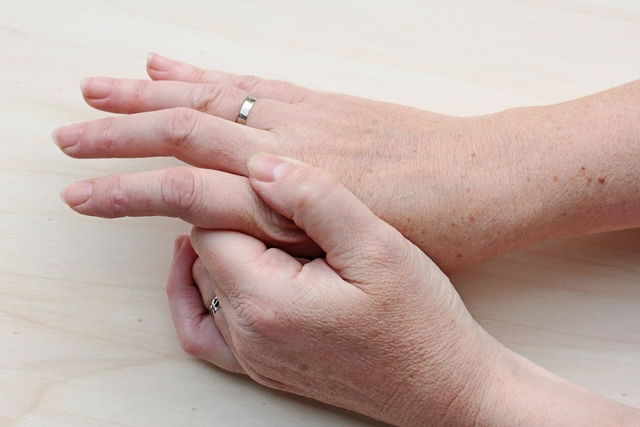
Main symptoms
The most common symptoms of osteoarthritis in the hands include:
-
Pain in the hands or fingers, often worse in the morning and improving throughout the day, though it can become constant as the condition progresses
-
Stiffness in the hand and finger joints, especially after waking up or long periods without movement
-
Joint tenderness, with pain even when light pressure is applied on or around the affected joint
-
Loss of flexibility, making it harder to perform simple tasks such as gripping objects or writing
-
Swelling in the fingers caused by inflammation around the joints
-
Tingling in the hands or fingers, even at rest
Nodules may also appear on the joints, such as Heberden’s nodes (at the end joints of the fingers) and Bouchard’s nodes (at the middle joints).
How diagnosis is confirmed
Diagnosis of osteoarthritis in the hands is made by an orthopedic doctor or rheumatologist through a clinical evaluation that considers symptoms and personal and family medical history.
The doctor may also order imaging tests such as:
-
X-rays to detect bone changes
-
CT scans or MRIs to assess the degree of joint damage
These tests help confirm the diagnosis and determine the best treatment plan.
Possible causes
Osteoarthritis in hands and fingers is mainly caused by repetitive movements or overuse. It is more common in people who frequently use their hands for manual tasks, such as construction workers, seamstresses, homemakers, or athletes involved in hand-intensive sports.
It also tends to affect people with a family history of osteoarthritis, older adults, and women going through menopause due to natural cartilage aging.
In addition, inflammatory or autoimmune diseases such as systemic lupus erythematosus and rheumatoid arthritis, as well as metabolic conditions like hemochromatosis, can contribute to joint stiffness and increase the risk of developing osteoarthritis in the hands.
Treatment options
Treatment for osteoarthritis in the hands should always be prescribed by a doctor and may include the following approaches:
1. Medications
Medications commonly used to treat osteoarthritis in the hands and fingers include:
-
Pain relievers such as acetaminophen (Tylenol)
-
Anti-inflammatory drugs such as ibuprofen (Advil, Motrin) or naproxen (Aleve)
These medications help relieve pain and reduce inflammation in the affected joints.
Doctors may also prescribe duloxetine (Cymbalta), an antidepressant that is also approved for treating chronic pain associated with osteoarthritis in the hands and fingers.
2. Physical therapy
Physical therapy helps strengthen the muscles around the joints, improve flexibility, and relieve pain. It should be guided by a physical therapist, who will recommend exercises based on the stage of osteoarthritis and each person’s specific needs.
The therapist may also teach exercises to perform at home and suggest applying ice or heat to the affected area to help manage symptoms.
[video2]
3. Joint injections
Joint injections in the hands or fingers may include:
-
Corticosteroids, to reduce inflammation and pain
-
Hyaluronic acid, a substance naturally found in the joints that acts as a lubricant and shock absorber
Corticosteroid injections can be given up to three or four times per year. The doctor applies a local anesthetic around the joint before injecting the corticosteroid.
Hyaluronic acid injections help lubricate and cushion painful joints, improving mobility and reducing discomfort.
4. Surgery
Surgery for osteoarthritis in the hands or fingers is reserved for severe cases in which other treatments haven’t been effective or when a joint is severely damaged.
However, surgery may not completely eliminate symptoms, and some people may continue to experience pain and stiffness even after the procedure.