


Oily urine can happen for several reasons, most often due to dehydration or excess vitamin intake. It may also appear with certain health conditions, like ketosis, nephrotic syndrome, or chyluria, which can affect how fats and proteins are processed in the body.
This change can make urine look cloudy, greasy, or milky, especially when fat, protein, or lymphatic fluid mixes with it. In some cases, oily urine may also be linked to retrograde ejaculation or prostatitis, which cause other symptoms such as pelvic pain or reduced semen volume.
Because oily urine can be a sign of kidney, prostate, or metabolic problems, medical evaluation is important. Treatment depends on the cause and may include hydration, diet changes, antibiotics, or other medications to improve kidney and urinary function.
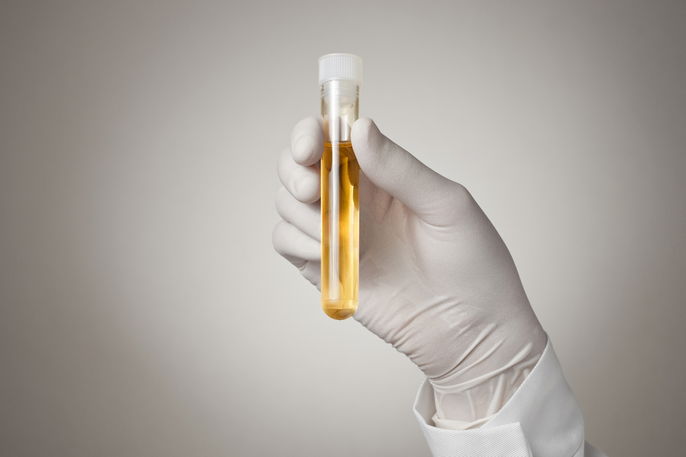
What causes oily urine?
Oily urine can emerge for the following reasons:
1. Nephrotic syndrome
Nephrotic syndrome is one of the main conditions in which oil in the urine is noted. It is characterized by excessive protein levels in the urine due to persistent injury to the kidney’s blood vessels. It can occur with diabetes, lupus and cardiac disease.
In addition to an oily appearance to the urine when visualized under a microscope, some people may also notice foamy urine and swollen feet or ankles.
What to do: If oily urine is due to nephrotic syndrome, you should continue treatment as indicated by your doctor. Treatment for this condition usually involves the use of antihypertensives, diuretics or medications that reduce immune system activity to decrease overall inflammation. Changes to diet may also be indicated. The main goal of treatment is to relieve symptoms and improve quality of life.
2. Dehydration
Dehydration may cause urine to be more concentrated, stronger-smelling and darker in color. It can also cause other substances to appear in the urine, like fat.
Dehydration can occur as a consequence of other health conditions, or it can be a result of not drinking enough water during the day. It can lead to symptoms like a dry mouth, headache, dizziness, cramping, increased heart rate and low-grade fever.
Also recommended: 10 Signs of Dehydration in Babies & Children tuasaude.com/en/signs-of-dehydration-in-babiesWhat to do: You should drink at least 2 L of water per day to prevent dehydration. Drinking water during and after exercising is also very important. People with severe dehydration should be urgently assessed in a hospital for IV fluid hydration.
3. Ketosis
Ketosis is characterized by the production of energy in the body using fat sources. It is a natural process for the body and can occur with fasting or a restrictive diet. This process destroys fat cells and forms ketones as an end-product, which can be detected in the urine.
A significant production of ketones will lead to a more oily appearance in the urine. Some people experiencing ketosis may also notice foul breath, increased thirst, reduced appetite and a headache.
What to do: Ketosis is a natural process in the body, however it is important to be aware of ketone levels in the blood and urine. A high amount of ketones can decrease blood pH. You should avoid very long fasting periods, especially if they are not closely monitored by a doctor or registered dietitian. Restrictive diets, like the ketogenic diet, should also not be maintained without monitoring.
4. Chyluria
Chyluria is characterized by the release of lymphatic fluid from the intestine to the kidneys, giving the urine a milky and oily appearance. Most of the fat consumed in our diet is absorbed through the lymphatic vessels in the intestine. In addition to a milky and oily appearance, this condition can also cause pain with urination and increased urgency to urinate.
What to do: Treatment for chyluria depends on the underlying cause, and it may be related to infections, tumors, kidney disease or another congenital problem. Chyluria treatment usually involves a diet that is low in fat and rich in protein and fluids.
5. Vitamin supplements
Some vitamin supplements, when taken in excess, can change what your urine looks like. This especially occurs with water-soluble vitamins (like B-complex vitamins and vitamin C), which the body is unable to store. Instead, these supplements will dissolve in water and become readily available in the body for immediate use. Excess vitamins that are not used are excreted in the urine, which can give it an oily appearance.
What to do: Be sure to speak to your doctor or a registered dietitian before starting any new supplements, as taking them may not provide therapeutic benefits. If you notice oily urine while taking vitamins, follow-up with your prescriber, who may consider dosing changes or discontinuation.
6. Retrograde ejaculation
Retrograde ejaculation occurs when semen flows backward into the bladder instead of being expelled through the urethra during orgasm. This happens when the bladder neck muscle fails to close properly, allowing semen to mix with urine.
When semen mixes with urine, it can give the urine a cloudy, milky or oily appearance, especially when urinating shortly after orgasm. Men with retrograde ejaculation may also experience little or no semen during ejaculation, a condition sometimes called a “dry orgasm.”
What to do: Retrograde ejaculation is not harmful and does not cause pain, but if you notice oily or cloudy urine after orgasm or have reduced ejaculate volume, you should see a urologist.
Treatment is typically only needed if fertility is affected. In these cases, medications that help tighten the bladder neck (such as pseudoephedrine, imipramine or midodrine) may be prescribed, and assisted reproductive techniques can be considered if pregnancy is desired.
7. Prostatitis
Prostatitis is inflammation or infection of the prostate gland, which can cause changes in the urine’s appearance. When the prostate is inflamed, it can release discharge, white blood cells or other material into the urinary tract, making urine look cloudy or oily.
Other possible symptoms include pain or burning during urination, frequent urination (especially at night), pelvic or lower back pain, pain during or after ejaculation, and in acute cases, fever and chills.
What to do: If you notice oily urine together with urinary discomfort or pelvic pain, see your doctor for assessment. Acute bacterial prostatitis requires prompt antibiotic treatment, usually with fluoroquinolones (such as ciprofloxacin) or trimethoprim-sulfamethoxazole for 2 to 4 weeks.
Chronic prostatitis may require longer treatment courses and additional medications, such as alpha-blockers or pain relievers, to ease symptoms and prevent complications.