


Neem is an Indian tree rich in phytochemicals like isoprenoids, nimbolide, and nimbidin, which have antifungal, antiparasitic, and antiseptic properties. These compounds may help with conditions such as acne, dandruff, psoriasis, and chickenpox.
Also known as the sacred tree or tree of life, neem contains bioactive substances such as azadirachtin and meliantrol, which have insect-repellent properties and can help fight ticks, flies, and mosquitoes.
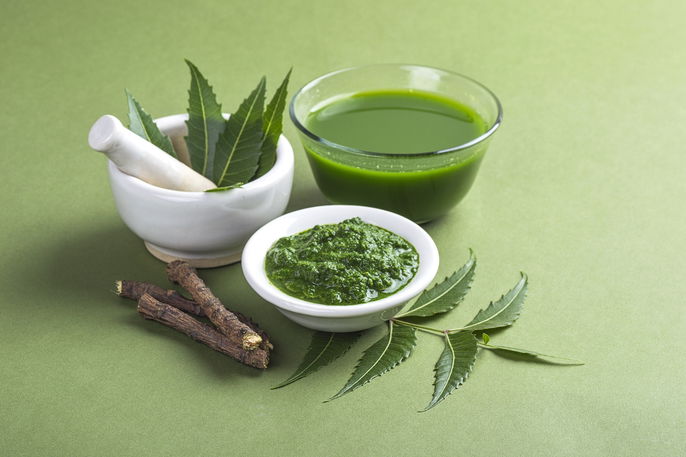
Neem oil is the most widely used product from this tree and can be found in liquid form or as an ingredient in shampoos, toothpastes, repellents, deodorants, and soaps. Neem is also available in powder form and as dried leaves, which are sometimes used for making teas.
Health benefits
Neem oil can be used to support treatment in the following situations:
1. Supporting skin conditions
Because of its antibacterial, antifungal, antiseptic, and anti-inflammatory action, neem oil can be applied to the skin to help with conditions such as eczema, psoriasis, wounds, allergies, boils, fungal infections, chickenpox, and warts.
2. Oral and gum health
Neem contains phytochemicals like nimbolide, azadirachtin, nimbidin, and nimbin, which have bactericidal, antiseptic, and analgesic properties. Neem oil is traditionally used to help with mouth and gum conditions such as gingivitis, toothache, and oral thrush.
Its antibacterial activity may also help reduce the buildup of dental plaque, the thin film of bacteria that forms on teeth and can lead to cavities and tartar.
3. Hair and scalp health
Topical use of neem oil can help reduce excess scalp oil and seborrhea, which may prevent dandruff and hair loss.
Neem’s antiparasitic properties are also traditionally used in the treatment of head lice.
4. Insect repellent
Because it contains compounds with repellent action, such as azadirachtin, salannin, vilasinin, and meliantrol, neem oil is used in natural insecticides and repellents to help deter ticks, flies, fleas, cockroaches, and mosquitoes.
5. Acne treatment
Neem oil has fungicidal, antiparasitic, antibacterial, and anti-inflammatory properties that can help manage acne by reducing bacteria linked to this skin condition.
6. Blood sugar support
Some studies suggest that extracts of neem bark and leaves may help regulate blood sugar levels and reduce insulin resistance. However, human studies are still limited, and more research is needed to confirm this benefit.
7. Liver health
Neem contains antioxidant and anti-inflammatory compounds that may help protect the liver against damage caused by medications or free radicals. Nonetheless, further clinical research is needed to confirm these effects in humans.
How to use
Neem is most commonly available as oil but is also sold in powders, leaves, and cosmetic or hygiene products like shampoos, toothpastes, soaps, deodorants, and repellents.
1. Neem oil
Neem oil can be applied directly to the skin or scalp, often diluted with a carrier oil, to support skin and hair care. It is also used in natural repellent preparations.
-
For skin or scalp: Dilute 2 to 3 drops of neem oil in 1 tablespoon of carrier oil such as jojoba, rosehip, or avocado oil. Apply to the skin or scalp once a week.
-
For repellent: Dilute 3 drops of neem oil in 1 tablespoon of coconut or jojoba oil, mix well, and apply to the skin.
2. Neem tea
To make a tea, boil 1 liter of water, remove from heat, add 5 neem leaves, cover, and let steep for 5 minutes before straining.
However, the safety and appropriate dosage of neem tea have not been confirmed in scientific studies. For this reason, neem tea should only be used under the guidance of a healthcare professional experienced in herbal medicine.
3. Neem powder
Neem powder can be used in homemade masks for the skin, scalp, or mouth.
-
For the face: Mix 1 tablespoon of neem powder with 1 tablespoon of honey, apply to clean skin, leave on for 10 minutes, then rinse with lukewarm water. Use once a week.
-
For the scalp: Mix 1 teaspoon of neem powder with 2 tablespoons of water. After washing and drying your hair, apply the paste to the scalp, leave for 15 minutes, then rinse with lukewarm water. Use once a week.
Possible side effects
Neem should only be ingested under the guidance of a healthcare provider. Prolonged or excessive intake can cause liver or kidney problems.
Contraindications for use
Neem oil, neem powder, and neem tea are not recommended for children, pregnant women, or breastfeeding women. Because its safety when taken internally has not been confirmed, neem tea should only be used under medical supervision.