


Nasturtium is a medicinal plant known scientifically as Tropaeolum majus. It is frequently used to support the treatment of urinary tract infections, fluid retention, and respiratory issues like bronchitis.
This versatile plant is also used to address skin conditions such as acne, psoriasis, and dandruff. Its effectiveness is attributed to its natural antibiotic, diuretic, and expectorant properties.
The edible flowers, leaves, and seeds are the primary parts used for therapeutic purposes. They are commonly prepared as herbal teas, fresh juices, or added directly to salads.
Health benefits
Nasturtium may be beneficial in complementing the treatment of the following conditions:
1. Urinary tract infections
The flowers and leaves of the nasturtium plant have natural diuretic properties. These help increase urine production, which can assist the body in flushing out bacteria from the urinary tract.
However, it is vital to remember that nasturtium does not replace conventional medical treatment. Always consult a healthcare provider for a prescription if you suspect a urinary tract infection.
2. Fluid retention
Due to its diuretic effect, nasturtium helps the body eliminate excess water through urine. This can be particularly helpful in reducing localized swelling and bloating.
3. Respiratory issues
Nasturtium contains benzyl isothiocyanate, a compound that acts as a natural expectorant and cough suppressant. It is often used to help manage symptoms of the common cold, flu, and bronchitis.
Furthermore, the high vitamin C content helps protect respiratory cells from oxidative stress. This support can lead to a faster recovery from seasonal illnesses.
4. Sore throat
Chewing on fresh nasturtium flowers may provide temporary relief for a sore throat. The plant contains antimicrobial and analgesic properties that help soothe inflammation in the throat.
5. Wound healing
Rich in vitamin C and flavonoids, nasturtium promotes skin repair and cellular regeneration. It is often used topically to help speed up the healing of minor cuts, scrapes, or scratches.
6. Scurvy
Because it is a potent source of vitamin C, nasturtium can be used as a dietary aid to prevent or treat scurvy. Including this plant in your diet is an easy way to boost your daily intake of this essential nutrient.
7. Dandruff
The antifungal properties of nasturtium make it a useful natural remedy for scalp issues. It helps inhibit the growth of fungi that often trigger the flakes associated with dandruff.
8. Hair loss
Nasturtium acts as a scalp tonic, which can stimulate blood flow to the hair follicles. This may help encourage hair growth and reduce the rate of thinning or hair loss.
9. Skin conditions
Thanks to its antiseptic and antioxidant properties, nasturtium is often used to manage various skin ailments. It can be a helpful supportive treatment for acne, eczema, psoriasis, and boils.
10. Lack of appetite
The plant has "aperient" properties, meaning it can help stimulate the digestive system. It is often used to help increase appetite in individuals experiencing a loss of interest in food.
Therapeutic properties
Nasturtium is valued for its antibiotic, expectorant, and antiseptic qualities. It also serves as a natural depurative (blood purifier), tonic, diuretic, and mild laxative.
These health benefits come from a variety of active compounds, including glucosinolates, flavonoids, and vitamin C. It also contains essential minerals such as iron, iodine, and phosphorus.
How to use nasturtium
The most common way to consume nasturtium is by using the fresh leaves and flowers in infusions, juices, or meals.
1. Nasturtium tea (infusion)
This infusion is typically used to support UTI treatment or as a hair rinse to combat dandruff.
Ingredients
-
4 tablespoons of fresh, chopped nasturtium leaves
-
1 quart (1 liter) of water
Preparation
Bring the water to a boil, then turn off the heat and add the leaves. Cover the pot and let it steep for 10 minutes. Strain the liquid and drink up to three cups per day once it has cooled. This liquid can also be used topically to clean minor skin irritations.
2. Nasturtium juice
Fresh juice is often recommended for hair health or to support lung function.
Ingredients
-
Fresh nasturtium leaves and flowers
-
1 quart (1 liter) of water
Preparation
Blend the fresh plant parts with water in a blender until smooth. For hair loss, massage the juice directly into the scalp. For respiratory support, mix 4 teaspoons (20 mL) of the juice with a small amount of milk and drink three times a day.
3. Salads
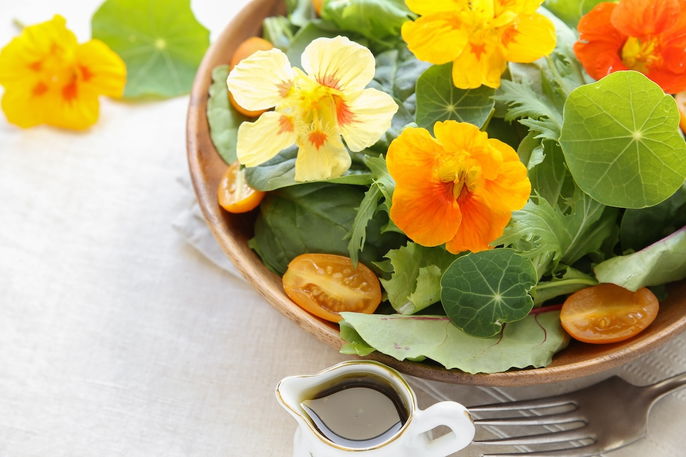
The leaves and flowers add a peppery kick to fresh salads. You can mix a handful of leaves with standard greens like romaine or red leaf lettuce and use the vibrant flowers as an edible garnish. The flavor is similar to watercress, and the seeds can be pickled as a substitute for capers.
Possible side effects
Nasturtium is generally considered safe for most people when consumed as food or tea for up to three months. However, some individuals may experience stomach upset, indigestion, or, in rare cases, kidney irritation.
When applied topically, it may cause skin irritation in those with sensitive skin. This plant can also trigger severe allergic reactions in people with specific plant sensitivities.
Who should avoid it
Nasturtium should not be used by children or individuals with pre-existing conditions like gastritis or stomach ulcers. It is also contraindicated for those with hypothyroidism, heart failure, or kidney disease.
Pregnant and breastfeeding women should avoid using nasturtium for medicinal purposes, as there is insufficient research regarding its safety for infants.