


Mushrooms are fungi that may offer several health benefits, such as supporting weight management, helping reduce the risk of cardiovascular disease, and supporting immune function. They are also naturally low in calories and can provide fiber, protein, and several vitamins and minerals.
Many mushroom health benefits are linked to nutrients and bioactive compounds such as fiber, protein, selenium, ergothioneine, and flavonoids. These substances may have antioxidant properties and can also help promote feelings of fullness.
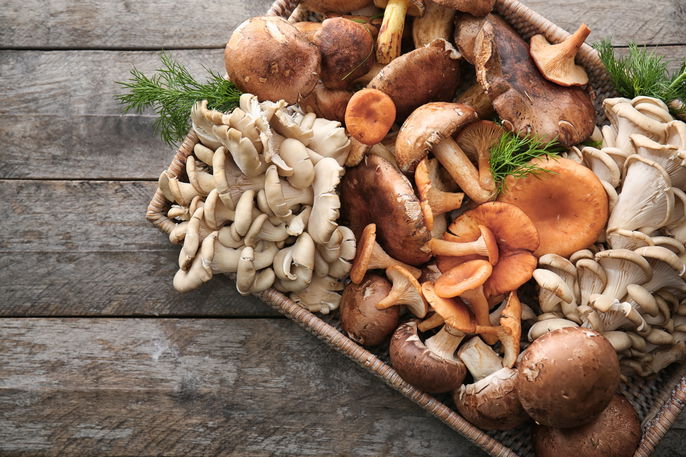
Mushrooms vary in flavor, texture, and nutritional content, with common varieties including white button, shimeji, shiitake, portobello, and oyster mushrooms. They can be grilled, roasted, sautéed, or added to dishes such as risotto, soups, salads, and pasta.
Main benefits
The main mushroom health benefits include:
1. Supporting weight loss
Mushrooms may support weight loss because they contain water and fiber, which can help increase feelings of fullness and reduce hunger.
Mushrooms are also low in calories, making them a useful option for diets focused on weight maintenance or weight loss.
2. Lowering the risk of heart disease
Mushrooms contain antioxidants, including glycoproteins and flavonoids, that may help protect the arteries and reduce the formation of fatty plaques.
These effects may help lower the risk of cardiovascular conditions such as atherosclerosis and heart attack.
3. Supporting the immune system
Mushrooms may help regulate the immune system because they contain beta-glucans, a type of fiber found in relatively high amounts in some mushroom varieties. Beta-glucans can support the activity of immune cells involved in the body's natural defenses.
Mushrooms also contain protein, an important nutrient for the production and maintenance of antibodies.
4. Reducing the risk of cancer
Because mushrooms contain antioxidants, they may help protect healthy cells from damage caused by excess free radicals.
By reducing oxidative damage, these compounds may help protect cells from changes associated with the development of cancer.
5. Helping prevent type 2 diabetes
The fiber in mushrooms can slow carbohydrate absorption, helping regulate blood glucose levels.
This effect may also help reduce the risk of insulin resistance and type 2 diabetes.
6. Improving bowel function
Mushrooms contain fiber and water, which help add bulk to stool and make bowel movements easier.
For this reason, including mushrooms as part of a balanced diet may help support healthy bowel function.
7. Maintaining muscle mass
Mushrooms provide protein, with varieties such as shimeji and oyster mushrooms containing relatively higher amounts.
Protein is an essential nutrient involved in muscle contraction, maintenance, and growth.
8. Preventing premature aging
Mushrooms contain selenium, flavonoids, and ergothioneine, which are nutrients and bioactive compounds with antioxidant properties.
These antioxidants help protect healthy skin cells from free radical damage, which may help slow the development of sagging skin and wrinkles.
Types of mushrooms
The main types of mushrooms include:
1. Lion's mane mushroom
Lion's mane is a mushroom traditionally used in Asian medicine and has been studied for possible effects on cognitive function, mood, and blood glucose regulation.
It can be found in grocery stores and specialty stores and can be consumed fresh or cooked. Lion's mane is also sold as tea, capsules, powders, and tinctures.
2. White button mushroom
White button mushrooms are among the best-known and most commonly consumed mushroom varieties.
They have a mild flavor and can be grilled, roasted, sautéed, or cooked in dishes such as risotto, pasta, and ramen.
3. Portobello or brown mushroom
Portobello mushrooms are mature white button mushrooms and are generally larger and darker in color.
They have a mild flavor and a firm, somewhat meat-like texture, making them a popular ingredient in vegetarian dishes. Portobello mushrooms can be cooked, grilled, roasted, or sautéed.
4. Shiitake mushroom
Shiitake mushrooms are often sold dried. Before cooking, dried shiitake mushrooms can be soaked in hot water to rehydrate and soften them.
Fresh shiitake mushrooms are also available. They are dark brown and commonly used in soups, sauces, noodle dishes, and pasta.
5. Shimeji mushroom
Shimeji mushrooms have a stronger flavor than many other mushroom varieties and can be prepared quickly by sautéing them in butter or olive oil.
Among the mushrooms listed in this article, shimeji mushrooms contain relatively few carbohydrates and provide good amounts of protein and fiber.
6. Oyster mushroom
Oyster mushrooms belong to the Pleurotus genus and are named for their oyster-like shape. They have a relatively mild flavor.
Oyster mushrooms contain beta-glucan fiber and are also a source of vitamin B2 and folate.
7. Red reishi
Red reishi is a mushroom that contains bioactive compounds such as alkaloids, triterpenes, and polysaccharides.
It has traditionally been used to support immune function, energy, and sleep, although evidence for these uses varies. Red reishi can be used in soups and stir-fries and is also sold as a dietary supplement in powder, capsule, and liquid forms.
8. Dried mushrooms
Dried mushrooms are any type of mushroom that has been dehydrated. Depending on the variety, they can provide nutrients such as potassium, calcium, phosphorus, magnesium, zinc, and B vitamins.
To prepare dried mushrooms, rinse them under running water and soak them in warm water for about 30 minutes. After soaking, gently squeeze out the excess water, which can be reserved and used to make sauces.
9. Indigo milk cap
The indigo milk cap is an edible mushroom with the scientific name Lactarius indigo.
It can be found in regions of Asia, Central America, and North America.
10. Hallucinogenic mushrooms
Hallucinogenic mushrooms contain psychoactive substances that affect the nervous system. Some have traditionally been consumed in teas during religious or spiritual rituals.
Mushrooms containing psychoactive compounds, including species from the Psilocybe and Panaeolus genera as well as Amanita muscaria, have also been investigated in scientific studies examining mood and psychiatric conditions such as depression and anxiety.
Nutrition facts
The following table shows the nutritional information for 100 g of several common mushroom varieties:
To obtain the health benefits associated with mushrooms, it is also important to maintain a healthy, varied diet and engage in regular physical activity.
How to prepare
Mushrooms can be grilled, roasted, sautéed, or cooked in dishes such as risotto, pasta, soups, pies, and ramen.
Before cooking mushrooms, visible dirt can be removed with a clean, dry cloth or paper towel. The mushrooms can then be prepared as desired.
Mushrooms should not be soaked in water for long periods because they can absorb moisture and develop a softer, more watery texture.
Mushroom safety
Poisonous mushrooms should never be consumed because they can cause serious illness. According to the U.S. Food and Drug Administration (FDA), mushroom poisoning can cause symptoms ranging from nausea and diarrhea to neurological symptoms, organ damage, and, in severe cases, death.
To reduce the risk of mushroom poisoning, wild mushrooms should only be eaten if they have been reliably identified as safe by a knowledgeable expert. According to the FDA, purchasing professionally cultivated mushrooms from grocery stores is a safer option.
Mushroom recipes
Some tasty mushroom recipes include:
1. Dried mushroom risotto
Ingredients:
-
2 cups risotto rice
-
¾ cup dried mushrooms
-
6⅓ cups homemade vegetable broth
-
½ medium onion
-
1 garlic clove
-
½ cup white wine
-
4 tablespoons butter
-
⅓ cup grated Parmesan cheese
-
4 sprigs parsley, washed
-
Salt and black pepper to taste
How to prepare:
Place the dried mushrooms in a bowl, cover with 1 cup of boiling water, and allow them to rehydrate for a few minutes. Peel and finely chop the onion and garlic, and chop the parsley.
Drain the mushrooms through a strainer, reserving the liquid, and gently press them with a spoon to remove excess water. Cut the mushrooms into medium-sized pieces. Add enough vegetable broth to the reserved mushroom liquid to make a total of about 6⅓ cups and set aside.
Place 2 tablespoons of butter in a saucepan over medium heat and allow it to melt. Add the onion, season with a pinch of salt, and sauté for 3 minutes.
Add the mushrooms and garlic and cook for 1 minute, stirring. Add the rice and sauté for 2 minutes, stirring well with a spoon. Season with salt and pepper to taste.
Pour in the wine and stir until the liquid has evaporated. Add 2 ladles of broth and mix well. Cook, stirring occasionally, until most of the liquid has been absorbed.
Repeat this process, gradually adding more broth and stirring until the risotto is cooked and creamy. Turn off the heat, add the remaining butter and Parmesan cheese, and mix well. Serve immediately with parsley.
2. Pasta with mushrooms
Ingredients:
- 10 oz mixed mushrooms
- 2 tablespoons olive oil
- 100 g( about ½ cup) butter
- 1 garlic clove, minced
- Black pepper or crushed red pepper flakes to taste
- 1 bunch parsley, washed and chopped
- 1 lb spaghetti
- Juice and zest of 1 lemon
- ¾ cup plus 1 tablespoon heavy cream
- Salt and grated Parmesan cheese to taste
How to prepare:
Clean the mushrooms with a clean kitchen towel to remove dirt, then cut them into thin slices. Heat a large skillet or saucepan and add 50 g (about 3 tablespoons) of butter and 1 tablespoon of olive oil.
When the butter begins to melt, add the mushrooms and sauté, stirring occasionally, until browned.
Add the garlic, salt, and pepper. Stir in the heavy cream, lemon juice and zest, and parsley, mixing well, then turn off the heat.
Bring a pot of water to a boil, add salt, and cook the spaghetti for the amount of time indicated on the package.
Drain the pasta and transfer it to the pan with the mushrooms, mixing gently. Finish with grated Parmesan cheese and serve immediately.
