


Mounjaro is a prescription medication used to treat uncontrolled type 2 diabetes in adults, along with a healthy diet and regular physical activity. It helps lower blood sugar levels and can also support weight loss by increasing satiety and reducing appetite.
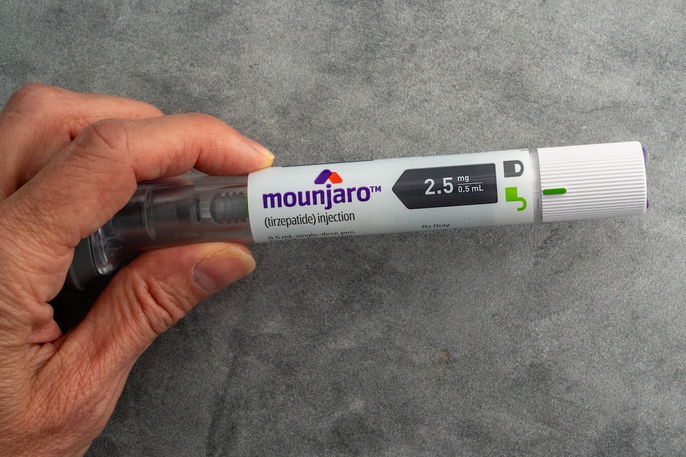
This medicine comes in a prefilled injection pen containing tirzepatide, an active ingredient that helps regulate blood sugar while also reducing hunger and daily calorie intake.
Mounjaro is approved by the FDA for the treatment of type 2 diabetes in adults. It is available only by prescription and should be used under the supervision of an endocrinologist.
Indications for use
Mounjaro (tirzepatide) is indicated for:
-
Type 2 diabetes in adults,when diet, exercise, or other diabetes medications are not sufficient to control blood sugar;
-
Obesity in adults with a BMI greater than 30 kg/m²;
-
Overweight in adults with a BMI greater than 27 kg/m² who also have conditions such as high blood pressure, type 2 diabetes, or high cholesterol.
In all cases, Mounjaro should be used in combination with a balanced diet and regular exercise.
Mounjaro is available in prefilled injection pens containing 2.5 mg, 5 mg, 7.5 mg, 10 mg, 12.5 mg, or 15 mg of tirzepatide. It must always be prescribed and monitored by an endocrinologist.
Mounjaro for weight loss
Although Mounjaro is only FDA-approved for treatment of type 2 diabetes, some healthcare providers may prescribe it off-label for weight management in adults with obesity or overweight, combined with a healthy diet and exercise routine.
Also recommended: Diabetic Diet: What to Eat & Avoid (with Meal Plan) tuasaude.com/en/diabetic-dietHow it works
Mounjaro works through a dual mechanism of action by activating both GLP-1 (glucagon-like peptide-1) and GIP (glucose-dependent insulinotropic polypeptide) receptors, which are hormones naturally released by the intestines after eating.
The main effects of Mounjaro in the body include:
-
Stimulating insulin release from the pancreas;
-
Reducing glucose production by the liver;
-
Improving insulin sensitivity;
-
Increasing adiponectin levels and regulating fat metabolism;
-
Slowing gastric emptying;
-
Increasing the feeling of fullness;
-
Improving hemoglobin A1c (HbA1c) levels.
Through these actions, Mounjaro helps regulate blood sugar levels and reduces hunger, which can lead to weight loss over time.
Mounjaro vs Ozempic
Studies suggest that Mounjaro may result in greater weight reduction compared to Ozempic (semaglutide). Mounjaro activates both GLP-1 and GIP receptors, while Ozempic only targets GLP-1. In clinical trials, people using Mounjaro achieved up to 25% body weight reduction, compared to around 17% with Ozempic.
Mounjaro doses
Mounjaro should be injected under the skin of the abdomen, thigh, or upper arm once a week, at any time of day, with or without food. Learn more about how to administer a subcutaneous injection.
Dosage for type 2 diabetes in adults:
The dose can be increased in 2.5 mg increments every 4 weeks, as directed by a healthcare provider, up to a maximum of 15 mg once weekly. Maintenance doses are usually 5 mg, 10 mg, or 15 mg once a week.
When Mounjaro is used along with sulfonylureas or insulin, the dosage of these medications may need to be adjusted to prevent hypoglycemia.
Missed doses
If you miss a weekly dose of Mounjaro, inject it as soon as possible within 4 days (96 hours) of the missed dose.
If more than 4 days have passed, skip the missed dose and continue with your usual schedule.
Do not take two doses within 3 days of each other.
Precautions during treatment
To ensure safe and effective use of Mounjaro:
-
Always use the dose prescribed by your doctor;
-
Do not change or increase your dose without medical advice;
-
Wash your hands before and after each injection;
-
Rotate injection sites each week;
-
Do not inject Mounjaro and insulin in the same area of skin;
-
Inform your healthcare provider of any side effects that occur.
Mounjaro should be stored in the refrigerator at temperatures between 36°F and 46°F (2°C to 8°C). It’s best to keep it on a shelf rather than in the refrigerator door, as frequent opening and closing can cause temperature fluctuations. Do not freeze Mounjaro.
It can also be stored at room temperature, up to 86°F (30°C), for a maximum of 21 days.
Prescription requirements
Mounjaro is available by prescription only and must be purchased at a licensed pharmacy.
Side effects
The most common side effects of Mounjaro include:
-
Nausea, vomiting, or diarrhea, which are usually mild to moderate and tend to improve over time;
-
Injection site reactions such as pain, itching, irritation, bruising, or redness;
-
Hypoglycemia, especially when combined with other diabetes medications;
-
Abdominal pain, bloating, reflux, gas, or indigestion;
-
Rare cases of acute pancreatitis or gallstones;
-
Allergic reactions such as rash or itching.
Seek immediate medical attention if you experience severe abdominal pain, persistent vomiting, or signs of an allergic reaction.
Contraindications to use
Mounjaro should not be used by people who are pregnant or breastfeeding, are under 18 years of age, or have conditions such as type 1 diabetes or pancreatitis. People with an allergy to tirzepatide or any of its ingredients should not use Mounjaro.
Mounjaro should be used with caution in people with gastroparesis, diabetic retinopathy, pancreatic disorders, or kidney problems.
It is not recommended for people with a personal or family history of medullary thyroid carcinoma or multiple endocrine neoplasia syndrome type 2 (MEN 2).