


- Monurol is an antibiotic used to treat uncomplicated urinary tract infections caused by E. coli and Enterococcus faecalis.
- It contains fosfomycin tromethamine and is usually taken as a single oral dose on an empty stomach.
- Most people start to feel relief from urinary infection symptoms within 2 to 3 days after taking Monurol.
Monurol is an antibiotic commonly prescribed to treat bacterial infections in the urinary tract, such as cystitis, urethritis, or asymptomatic bacteriuria during pregnancy. It can also be used to treat or prevent urinary tract infections that occur after surgery or other medical procedures.
This medication contains fosfomycin tromethamine, an antibiotic that works by killing the bacteria responsible for the infection. By clearing bacteria from the urinary tract, it helps relieve common symptoms like burning or pain when urinating, frequent urination, and a heavy feeling in the bladder.
Monurol is available by prescription in pharmacies, usually sold in boxes with one or two sachets. Each sachet contains 5.631 g of fosfomycin tromethamine, equivalent to 3 g of fosfomycin, the active ingredient.
What it is used for
Monurol is prescribed to treat bacterial infections of the urinary tract, including:
-
Acute or recurrent cystitis
-
Acute bacterial urethrovesical syndrome
-
Bacterial urethritis
-
Presence of bacteria in the urine during pregnancy without infection symptoms
-
Postoperative urinary tract infections
It can also be used to prevent urinary tract infections before or after surgery, or when diagnostic procedures involving instruments are performed in the urinary tract.
Fosfomycin, the active ingredient in Monurol, is recognized by the Centers for Disease Control and Prevention (CDC) as a recommended treatment option for uncomplicated urinary tract infections caused by Escherichia coli and Enterococcus faecalis.
Also recommended: UTI Symptoms: Top 9 Signs (with Online Symptom Checker) tuasaude.com/en/uti-symptomsThe effects of Monurol usually begin within 2 to 4 hours after taking it and last for about 36 to 48 hours.
How to take
Monurol should be taken by mouth on an empty stomach, 2 to 3 hours before or after eating, and preferably at night before bedtime, after urinating.
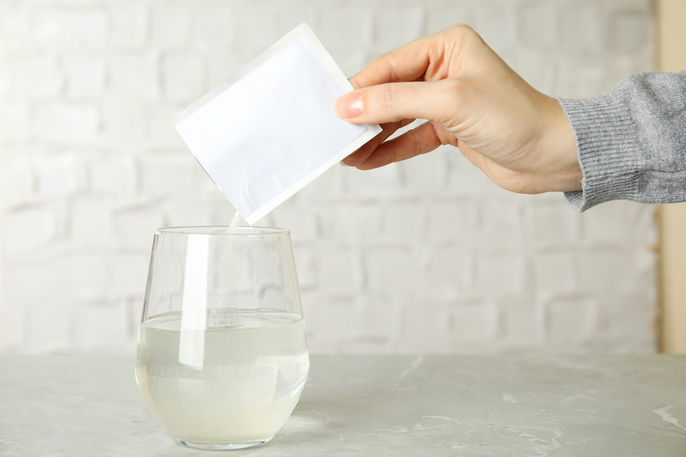
To take it, dissolve the contents of one sachet in half a glass of water (about 50 to 75 mL), stir well until fully dissolved, and drink the solution right away.
For most adults, the recommended dose is one sachet taken once for uncomplicated urinary tract infections caused by Escherichia coli or Enterococcus faecalis. Symptoms typically improve within 2 to 3 days after starting treatment.
Possible side effects
The most common side effects of Monurol include diarrhea, nausea, stomach discomfort, heartburn, headache, and dizziness. Less frequent effects can include abdominal pain, vomiting, red skin spots, hives, itching, tiredness, and tingling sensations.
In some cases, fosfomycin can cause serious side effects that require immediate medical attention, such as watery or bloody diarrhea, or worsening infection symptoms like pain or burning during urination.
Severe allergic reactions are rare but possible. Stop taking Monurol and seek emergency care right away if you experience symptoms like difficulty breathing, throat tightness, swelling of the mouth, tongue, or face, blistering skin, or hives.
Who should not use it
Monurol should not be used by people allergic to fosfomycin or any of its ingredients. It should be used with caution by people with diabetes, as it contains sugar.
This medication is also not recommended for people with severe kidney disease or those undergoing hemodialysis, and it should not be used by children.
During pregnancy or breastfeeding, Monurol should only be used under medical supervision and with a doctor’s prescription