


Molybdenum is an essential trace mineral that helps the body process proteins and genetic material. It also supports the metabolism of certain drugs and other compounds, helping prevent harmful buildup in the body.
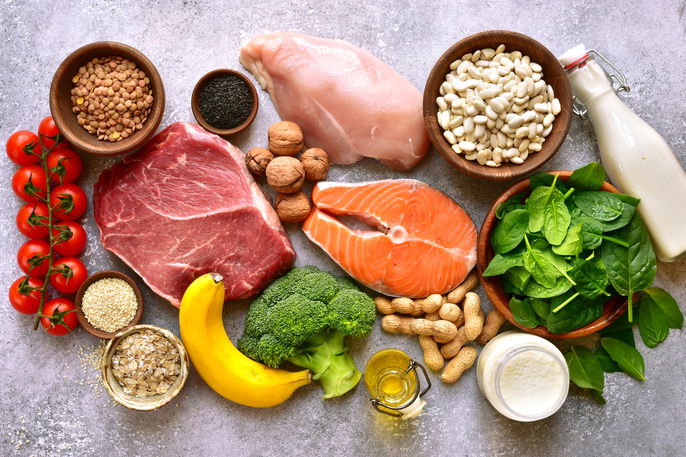
This micronutrient is found in a variety of animal- and plant-based foods, including milk, fava beans, peas, leafy green vegetables, black-eyed peas, beef liver, and cereals. Because the body only needs very small amounts, molybdenum deficiency is rare.
Recommended intake depends on age and whether someone is pregnant or breastfeeding. For most adults, the recommended amount is 45 mcg per day, increasing to 50 mcg per day during pregnancy and breastfeeding.
Main functions
The functions of molybdenum in the body include:
-
Processing proteins and genetic material, such as DNA
-
Supporting the metabolism of medications so they do not build up and cause toxicity
-
Metabolizing sulfur-containing amino acids, such as methionine and cysteine, which helps regulate sulfite levels in the body
-
Helping balance uric acid production, which in small amounts contributes to the antioxidant capacity of blood plasma
Molybdenum is essential for the metabolism and redox reactions of four enzymes in the body: sulfite oxidase, xanthine oxidase, aldehyde oxidase, and mitochondrial amidoxime reducing component.
Food sources
The table below shows the amount of molybdenum found in certain foods:
Molybdenum is also found in many other foods, such as whole wheat bread, chicken, eggs, spinach, corn, oranges, and asparagus.
Recommended daily intake
The recommended daily intake of molybdenum varies by age and life stage, as follows:
-
Birth to 6 months: 2 mcg per day
-
7 to 12 months: 3 mcg
-
Children 1 to 3 years: 17 mcg
-
Children 4 to 8 years: 22 mcg
-
Children and adolescents 9 to 13 years: 34 mcg
-
Adolescents 14 to 18 years: 43 mcg
-
Adults 19 years and older: 45 mcg
According to the National Institutes of Health Office of Dietary Supplements, the recommended intake of molybdenum for people who are pregnant or breastfeeding is 50 mcg per day.
Molybdenum deficiency
Molybdenum deficiency is very rare because daily needs for this mineral are usually met through a regular diet.
However, deficiency can occur in molybdenum cofactor deficiency, a very rare genetic disorder that prevents the body from using this nutrient properly.
According to GeneReviews, molybdenum cofactor deficiency typically presents with severe encephalopathy and refractory seizures early in life and can lead to life-threatening complications.
Excess molybdenum
Excess molybdenum from food is rare because the kidneys regulate levels of this mineral efficiently and remove the excess through urine.
However, chronic use of high-dose supplements or occupational exposure, such as in miners and metalworkers exposed to high levels of molybdenum in air and soil, may lead to toxicity. The tolerable upper intake level for adults, including those who are pregnant or breastfeeding, is 2,000 mcg per day.
