


Accidental mold on cheese can be dangerous because it may cause allergic reactions or serious respiratory issues. In some cases, these molds produce toxins that damage the liver and kidneys or lead to foodborne illnesses.
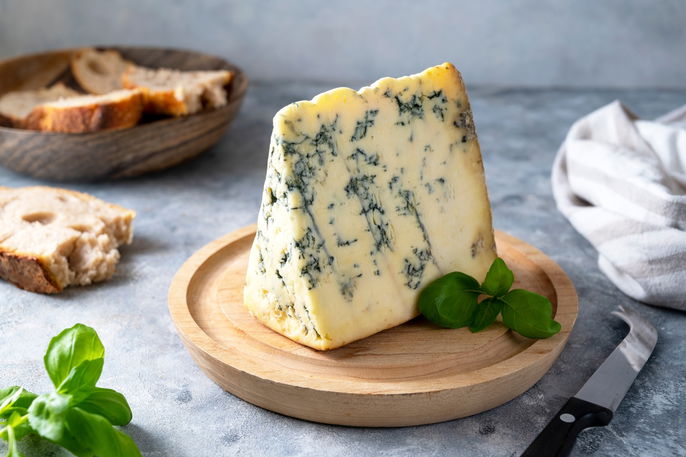
However, certain varieties like gorgonzola, roquefort, camembert, and brie are perfectly safe to consume. These cheeses use controlled mold cultures specifically added to develop their signature flavors, aromas, and textures.
When eaten safely as part of a balanced diet, cheese provides several important health benefits. It supports bone density, aids in maintaining gut health, and helps promote muscle mass growth.
Does moldy cheese make you sick?
When mold grows accidentally due to poor storage or contamination during production, the cheese becomes unsafe to eat. Under these uncontrolled conditions, fungi can produce toxic substances known as mycotoxins, such as aflatoxin and ochratoxin.
Exposure to these mycotoxins can trigger allergies, breathing problems, and organ damage. If consumed regularly over a long period, these toxins may even increase the risk of developing certain cancers.
Additionally, accidentally moldy cheese can harbor harmful bacteria like Listeria, Salmonella, Brucella, and E. coli. These pathogens cause severe food poisoning, resulting in symptoms like vomiting, diarrhea, and high fevers.
When it is safe to eat moldy cheese
You can safely eat moldy cheese only when the molds or bacteria have been intentionally introduced under strictly controlled conditions.
Some common examples of safe moldy cheeses include:
-
Blue cheeses: Gorgonzola, Roquefort, and Stilton.
-
White-rind cheeses: Camembert and Brie.
-
Washed-rind cheeses: Reblochon, Taleggio, Livarot, and Limburger.
These varieties develop their unique characteristics through specific species like Penicillium glaucum, Brevibacterium linens, and Penicillium candidum.
How to tell if cheese has gone bad
You can identify spoiled cheese by looking for the following warning signs:
-
Fuzzy or hairy patches that are green, white, or black.
-
Unusual colored spots or any visible discoloration on the surface.
-
A sharp, sour, or unpleasant odor that is not typical for that specific variety.
-
A texture that is significantly softer, mushier, or slimier than it should be.
-
A sticky film on cheeses that are normally dry.
-
A gritty or sandy feel on the surface of fresh cheeses.
For cheeses like brie or camembert, look for off-colors; while they have a natural white rind, any dark green or black spots indicate spoilage.
Can you cut off the mold and eat the rest?
In many cases, you can save the cheese by removing the moldy portion, but this depends entirely on the type of cheese.
For hard or semi-hard cheeses, such as provolone, cheddar, parmesan, swiss, or even firm blocks of gorgonzola, mold cannot easily penetrate deep into the product due to low moisture levels. You can safely eat the rest if you cut at least one inch around and below the moldy spot.
However, soft cheeses with high moisture content allow mold to spread invisibly through the entire product. You must discard the following if any mold is visible:
-
Cottage cheese, ricotta, and cream cheese.
-
Fresh white cheeses (like Queso Fresco).
-
Any sliced, shredded, or crumbled cheese.
-
Soft-ripened cheeses like brie or camembert if they show accidental mold.
How to prevent moldy cheese
Follow these steps to keep your cheese fresh and prevent accidental mold growth:
Store it properly
Keep your cheese in the refrigerator between 37°F and 40°F. The vegetable crisper drawer is often the best spot as it maintains a steady temperature. Instead of plastic wrap, use parchment or wax paper to allow the cheese to breathe without drying out. Avoid leaving cheese at room temperature for extended periods, especially in humid weather.
Maintain high hygiene standards
Clean your refrigerator regularly with soap and water. If you notice mold growth inside the fridge, use a diluted bleach solution to kill spores. When trimming mold off a hard cheese, always use a clean knife and ensure the blade does not touch the moldy area before cutting into the clean part of the cheese.
Use the freezer
If you cannot finish your cheese quickly, most varieties can be frozen for up to three months. While freezing can make fresh cheeses like ricotta or cottage cheese crumbly, harder cheeses like mozzarella or parmesan freeze well and are perfect for melting later.
Check expiration dates
Never eat cheese that has passed its use-by date. Manufacturers only guarantee the safety and quality of the product within the timeframe listed on the label. Even if the cheese looks okay, it is safer to discard it once it expires to avoid foodborne illness.