


- Trouble breathing, wheezing, chest tightness or shortness of breath after mold exposure can be a sign of an asthma flare-up or lung irritation.
- Fever, unexplained weight loss, severe sinus symptoms or skin lesions after mold exposure should be assessed urgently, especially in people with weakened immune systems.
- Persistent or worsening symptoms despite avoiding mold may need medical evaluation, as mold detox programs can delay proper diagnosis and treatment.
Mold detox is a term often used to describe ways to “remove” mold or mold toxins from the body. However, mold exposure is not treated with a standard detox program, and the safest first step is usually to reduce exposure to mold and treat any symptoms it causes.
Mold can affect health by irritating the nose, throat, eyes, skin, and lungs. It can also worsen asthma or allergies, and in people with weak immune systems, some molds can cause more serious infections.
Treatment depends on the symptoms and the person’s overall health. It may include allergy or asthma treatment, medical care for infections when needed, and removing mold from the home or workplace to prevent continued exposure.
What is mold detox?
Mold detox is a popular term used for methods that claim to remove mold, mold spores, or mycotoxins from the body. Mycotoxins are substances made by some molds, and exposure can happen through contaminated food or, in some cases, damp indoor spaces.
In medical guidance, mold detox is not usually described as a specific treatment. Major health organizations focus more on reducing mold exposure, cleaning or removing mold safely, and treating symptoms such as allergies, asthma flare-ups, or infection.
Some studies have discussed possible treatments for illness linked to water-damaged buildings or mycotoxin exposure, such as antioxidants, antifungal medicines, or bile acid sequestrants. However, these are not standard detox treatments for the general public and should only be considered under medical guidance when appropriate.
Does mold detox actually work?
There is little direct human evidence that detox supplements, special diets, or commercial mold detox programs remove mold from the body or cure mold-related symptoms. For most people, the most effective approach is to stop or reduce exposure to mold and manage any health problems it has triggered.
The CDC does not recommend routine mold testing or unproven medical tests for most mold exposure concerns. Mold testing can be difficult to interpret, and symptoms do not always match the amount or type of mold found in a building.
A healthy diet can support general health, but there is no proven “mold detox diet.” Food safety steps, such as storing foods properly and discarding visibly moldy foods, can help reduce exposure to mycotoxins from food.
Symptoms of mold exposure
Mold exposure can cause symptoms that affect the nose, throat, lungs, eyes, and skin. Common symptoms can include:
-
Stuffy or runny nose
-
Sneezing
-
Sore throat
-
Coughing
-
Wheezing
-
Shortness of breath
-
Itchy or irritated eyes
-
Skin rash or irritation
People with asthma may notice more coughing, wheezing, chest tightness, or trouble breathing after being around mold. People with mold allergies may develop symptoms similar to hay fever.
Invasive mold infections are less common but can be serious. These infections are more likely in people with very weak immune systems, such as people receiving chemotherapy, transplant medicines, or other treatments that lower immune defenses. Symptoms can include fever, cough, shortness of breath, weight loss, sinus symptoms, or skin lesions.
How to treat mold-related symptoms
Treatment depends on the type of symptoms. Allergy-like symptoms may improve after leaving the moldy area, reducing indoor moisture, and avoiding further exposure. A doctor may recommend allergy medicines, nasal sprays, or other treatments if symptoms continue.
Asthma symptoms should be managed with an asthma treatment plan. This may include rescue inhalers, controller medicines, or changes in medication if mold exposure is triggering flare-ups.
Infections caused by mold require medical care. People with weakened immune systems who develop fever, breathing symptoms, sinus symptoms, or unusual skin changes should be evaluated quickly, as invasive mold infections can become serious.
Commercial detox programs, binders, supplements, and strict diets should not replace medical care. Some treatments discussed in research are still considered limited, controversial, or only appropriate in specific clinical situations.
How to reduce mold exposure
The most important step is controlling moisture. Mold grows where there is excess water, dampness, leaks, or poor ventilation.
Basic mold reduction steps include:
-
Fixing water leaks as soon as possible
-
Drying wet areas quickly
-
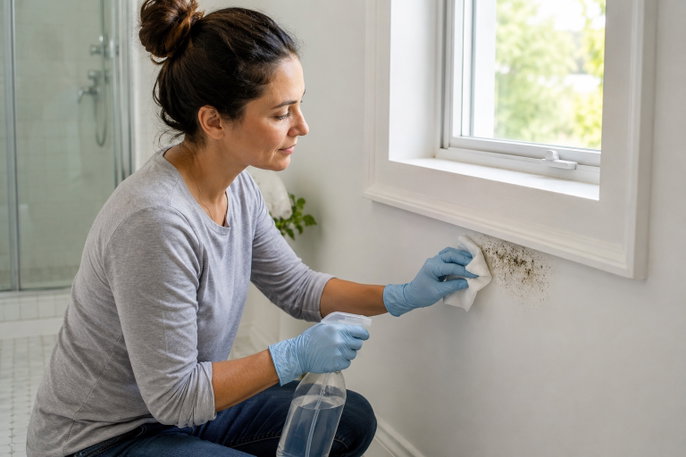
Cleaning hard surfaces with detergent and water
-
Removing or discarding porous materials that cannot be cleaned
-
Avoiding painting or caulking over mold
-
Improving ventilation in bathrooms, kitchens, and laundry areas
-
Using protective equipment during cleanup, when needed
-
Getting professional help for large mold problems or major water damage
Food-related mycotoxin exposure can also be reduced by storing foods properly and discarding visibly moldy foods. Some foods, such as cereals and nuts, may be affected by mycotoxins if they are contaminated, which is why food safety and proper storage are important.
When to see a doctor
A doctor should be consulted if symptoms are persistent, severe, or worsen after mold exposure. Medical care is especially important for people with asthma, allergies, chronic lung disease, or a weakened immune system.
Urgent medical evaluation may be needed if mold exposure is followed by trouble breathing, chest tightness, fever, shortness of breath, unexplained weight loss, severe sinus symptoms, or unusual skin lesions.
A doctor can help determine whether symptoms are related to allergies, asthma, irritation, infection, or another condition. This is important because mold detox programs may delay proper diagnosis and treatment.