


Meningitis B is a serious infection caused by Neisseria meningitidis serogroup B bacteria that affects the protective membranes surrounding the brain and spinal cord. This condition can develop quickly and may lead to severe complications if not treated right away.
Meningitis B often begins with symptoms that may look similar to the flu, but it can rapidly progress into a life-threatening illness. Early recognition, timely diagnosis, and immediate treatment are essential to lower the risk of serious complications or death.
Treatment for meningitis B typically involves urgent antibiotic therapy in a hospital setting, while prevention focuses on vaccination and limiting close contact with infected individuals. Understanding how meningitis B spreads and who is most at risk can help improve early detection and prevention.
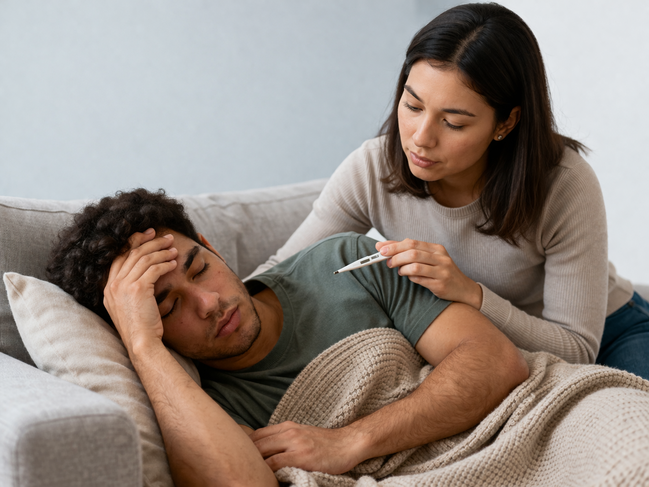
Main symptoms
Meningitis B may start with general symptoms that resemble common infections, but it can quickly worsen and affect the nervous system.
This infection typically presents with symptoms like:
-
Fever
-
Headache and stiff neck
-
Nausea and vomiting
-
Sensitivity to light
-
Confusion, difficulty concentrating or sleepiness
-
Cold hands and feet, limb pain, or pale skin
-
Seizures in severe cases
These symptoms can progress quickly, especially in children and young adults, making early medical care very important.
Also recommended: Meningitis Symptoms: Online Quiz, Early Signs & Diagnosis tuasaude.com/en/meningitis-symptomsOnline symptom test
To determine your risk for meningitis, enter your symptoms below:
Please note that this is a guidance tool and does not replace a consultation with a doctor. You are encouraged to speak to your doctor about your symptoms.
How it is transmitted
Meningitis B is caused by infection with Neisseria meningitidis serogroup B bacteria. These bacteria can live in the nose and throat without causing illness in some people, but in others they can enter the bloodstream and reach the brain.
Meningitis B spreads through respiratory droplets and close contact, such as coughing, sneezing, kissing, or sharing personal items, according to the Centers for Disease Control and Prevention (CDC). It is more likely to spread through close or prolonged contact, including kissing or living in the same household, and through sharing utensils, drinks, or personal items.
Certain groups are at higher risk of developing meningitis B. These include infants and young children, adolescents and young adults, people living in crowded environments such as dormitories, and individuals with weakened immune systems.
Confirming a diagnosis
Diagnosis of meningitis B is based on clinical symptoms along with laboratory testing. Doctors may collect samples of blood or cerebrospinal fluid to identify the bacteria responsible for the infection.
Additional tests, such as imaging exams, may be used in some cases to check for complications. Because meningitis B can progress quickly, treatment is often started before the diagnosis is confirmed.
Treatment options
Meningitis B is a medical emergency that requires immediate hospital care. According to the Centers for Disease Control and Prevention (CDC), intravenous antibiotics should be started as soon as meningococcal disease is suspected, as early treatment significantly improves outcomes.
Patients may also need supportive care to help manage symptoms and complications. This can include fluids to maintain hydration, oxygen therapy, and medications to control fever, pain, or seizures. In more severe cases, treatment in an intensive care unit may be necessary.
Even with proper treatment, meningitis B can lead to complications such as hearing loss, neurological damage, or limb problems. This highlights the importance of early diagnosis and treatment.
Prevention measures
Prevention of meningitis B mainly focuses on vaccination and reducing exposure to the bacteria.
Vaccines for meningitis B are available and recommended for certain groups, especially adolescents and young adults. These vaccines help lower the risk of severe disease and related complications.
Close contacts of someone diagnosed with meningitis B may receive preventive antibiotics to reduce their risk of infection.
To reduce your risk of contracting or transsmitting meningitis B, avoid sharing drinks, utensils, or personal items. Cover the mouth and nose when coughing or sneezing, and maintain good hygiene practices to reduce the spread of infection.
Vaccination remains the most effective way to prevent meningitis B, particularly in higher-risk groups.
When to seek medical care
Meningitis B can worsen quickly, so urgent medical evaluation is needed if symptoms such as high fever, stiff neck, confusion, or sensitivity to light develop. Early treatment can be life-saving and helps reduce the risk of long-term complications.