


Melasma is a skin condition that causes brown or blue-gray patches to appear, primarily on the face. While most common on the forehead and cheeks, these dark spots can also develop on the arms, neck, and other sun-exposed areas.
This condition is significantly more common in women, particularly during pregnancy when it is often referred to as "the mask of pregnancy" or chloasma. Hormonal changes, genetic factors, and frequent exposure to ultraviolet or visible light from digital devices can all trigger its development.
A dermatologist can typically diagnose melasma through a physical examination and may recommend specialized lightening creams or aesthetic procedures. While these treatments are effective, the patches may return without the consistent, daily application of high-SPF sunscreen.
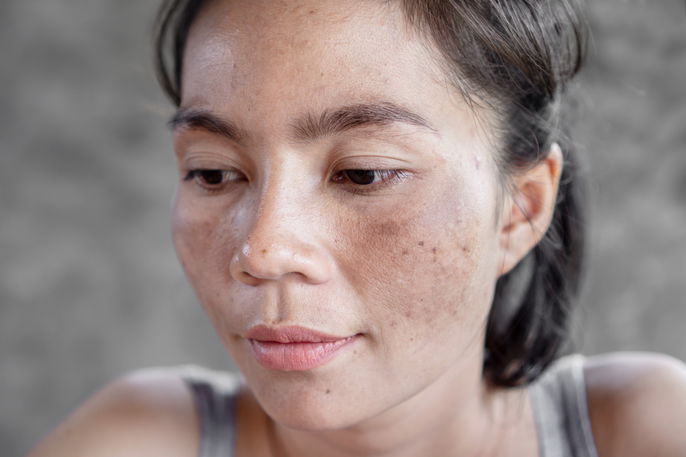
What it looks like
Melasma can be identified by several specific clinical characteristics, including:
-
Dark patches on the skin, most notably on the forehead, nose, upper lip, and cheekbones.
-
Irregularly shaped patches that appear brown or blue-gray in color.
-
Discolored areas that do not cause itching, pain, or stinging.
The appearance of these patches often fluctuates based on exposure to risk factors, such as sunlight or blue light from frequent computer use.
In some instances, melasma patches may appear on other parts of the body that receive regular ultraviolet exposure, such as the arms, neck, and chest.
Also recommended: Brown Spot on Skin: 9 Causes & What to Do tuasaude.com/en/brown-spot-on-skinWhat is the difference between chloasma and melasma?
Like melasma, chloasma is characterized by dark spots on the skin, primarily on the face. However, chloasma is a term used exclusively for melasma that occurs during pregnancy, whereas melasma is the broader term for the condition occurring in men or women regardless of pregnancy.
How to confirm the diagnosis
A dermatologist diagnoses melasma through a clinical evaluation of the skin patches and their distribution, as well as a review of your health history and any use of oral contraceptives.
Additional testing is generally not required to confirm the diagnosis. However, a doctor may use a Wood's lamp—a specialized ultraviolet light—to determine how deep the pigment is within the skin layers, which helps in selecting the most effective treatment plan.
Possible causes
While the exact cause of melasma is not fully understood, several factors are known to contribute to its development:
-
Gender, as the condition is much more common in women.
-
A family history of melasma.
-
Exposure to UV light from the sun or visible light from computers, tablets, and smartphones.
-
Use of oral contraceptive pills.
-
Pregnancy.
-
Thyroid disorders.
Melasma is also closely linked to hormonal fluctuations, such as changes in estrogen levels in women or a decrease in testosterone levels in men as they age.
These factors can trigger overactivity in melanocytes—the cells responsible for producing skin pigment—leading to an overproduction of melanin and the resulting dark spots.
Treatment options
Treatment for melasma is tailored by a dermatologist based on the patch characteristics, location, and severity. The primary goals are to lighten existing spots and regulate the production of melanin, the pigment that gives skin its color.
To achieve this, a physician may prescribe topical creams designed to fade discoloration or recommend professional procedures like chemical peels or microdermabrasion. These clinical treatments help exfoliate the skin and reduce the appearance of deep pigmentation.
Furthermore, it is vital to apply a broad-spectrum sunscreen with at least SPF 30 every day, even when it is cloudy or if you remain indoors. Protecting the skin from light is the most important step in preventing the condition from worsening during treatment.
Maintaining a diet high in vitamins C, E, and selenium can also support skin health. Foods such as tomatoes, spinach, beets, oranges, and Brazil nuts provide essential antioxidants that assist in skin repair and regeneration