


- Marasmus is severe malnutrition caused by too few calories, leading to extreme weight loss and muscle wasting.
- Common signs include delayed growth, dehydration, diarrhea, fatigue, irritability, and low body temperature.
- Treatment focuses on careful nutritional rehabilitation, infection management, and preventing refeeding complications.
Marasmus is a type of severe malnutrition caused by an inadequate intake of calories. When the body does not receive enough energy from food, it begins using its stored fat and muscle for energy.
This condition can cause very low body weight, delayed growth in children, dehydration, irritability, and diarrhea. Marasmus mainly affects children, but it can also occur in adults.
Possible causes include inadequate food intake, anorexia nervosa, early weaning, chronic diarrhea, and dementia. A primary care physician or pediatrician should diagnose marasmus. Treatment may include nutritional formulas, antibiotics for infection, and thiamine or phosphate when needed.
Main symptoms
The main symptoms of marasmus include:
-
Visible loss of muscle mass
-
Very low weight for age and delayed growth and development in children
-
An aged appearance
-
A head that appears large in proportion to the body
-
Apathy, which is characterized by a lack of motivation, interest, or emotional response
-
Fatigue and irritability
-
Ridged nails and thin, brittle hair, which may also fall out
-
Changes in mental status
-
Dehydration, which may cause dry eyes, dry and wrinkled skin, and a sunken soft spot, or fontanelle, in infants
-
Low body temperature, heart rate, and blood pressure
-
Vomiting and diarrhea
A person with marasmus may also develop anemia, osteomalacia, or rickets. Rickets affects bone development and can cause the arms and legs to become bowed in children.
Marasmus vs kwashiorkor
Kwashiorkor is a type of severe malnutrition associated with an extreme lack of protein in the diet. It can cause swelling of the abdomen, face, hands, and feet, as well as changes in skin and hair color.
Marasmus, on the other hand, is caused by an overall lack of calories. It does not typically cause swelling or changes in skin and hair color.
Confirming a diagnosis
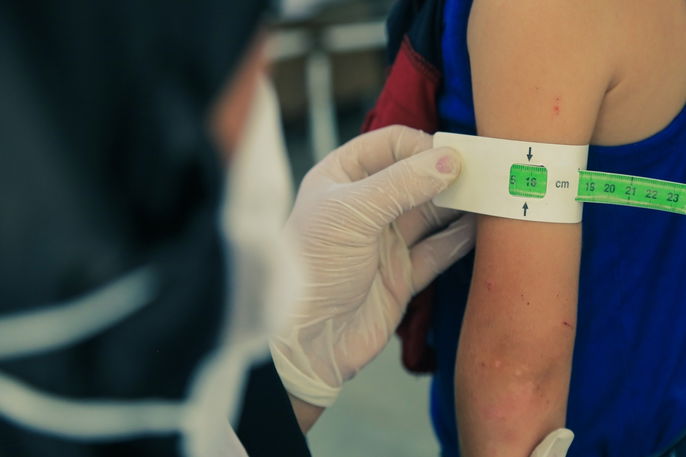
Marasmus is diagnosed through a physical exam that may include measurements of weight, height, skinfold thickness, and body circumferences. A pediatrician or primary care provider may work with a registered dietitian during the evaluation.
The provider will also check for edema, especially in the abdomen, hands, face, and feet, to help distinguish marasmus from kwashiorkor. According to the World Health Organization (WHO), bilateral pitting edema is one of the clinical criteria used to identify severe acute malnutrition in children ages 6 to 59 months.
Blood, stool, and urine tests may also be ordered to check for vitamin and mineral deficiencies, intestinal parasites, protein levels, blood glucose levels, or HIV.
Possible causes
The main cause of marasmus is an inadequate total calorie intake. Factors that may contribute to its development include:
-
Food shortages or a lack of access to enough food
-
Anorexia nervosa
-
Conditions that cause malabsorption, such as short bowel syndrome, inflammatory bowel disease, celiac disease, pancreatic insufficiency, pancreatitis, and chronic diarrhea
-
Dementia
-
Depression, which may cause loss of appetite
-
Early weaning in children
Poverty, food insecurity, and neglect of older adults may also contribute to the development of marasmus.
Treatment options
Treatment for marasmus should be supervised by a doctor and is generally divided into three phases:
1. Stabilization
This phase should preferably take place in a hospital and usually lasts about 7 days. Its goals are to restore hydration and prevent infections and hypothermia.
The person should be kept warm, and intravenous isotonic fluids may be given when medically appropriate. Antibiotics may also be prescribed if an infection is present.
Nutrition is provided through therapeutic nutritional formulas, either by mouth or through a feeding tube. Initial calorie intake may range from 60% to 80% of the estimated requirements for the person’s age.
Food and calories should be introduced gradually to reduce the risk of refeeding syndrome, a serious complication that can cause cardiac arrhythmias and sudden death. According to the National Institute for Health and Care Excellence, people at high risk should receive cautious nutritional support, with thiamine and phosphate monitoring or supplementation as needed.
2. Nutritional rehabilitation
This phase usually lasts 2 to 6 weeks and begins after the complications of marasmus have been treated.
During this phase, calorie intake is gradually increased and may range from 70% to 140% of the estimated nutritional requirements for the person’s age. Therapeutic nutritional formulas may continue to be used, followed by a gradual transition to solid foods.
3. Follow-up and prevention
During this phase, the child is monitored regularly to help prevent marasmus from returning.
Recommendations may include keeping routine vaccinations up to date, breastfeeding when appropriate, practicing safe food preparation, and using safe drinking water.
Parents and caregivers should also learn to recognize signs of malnutrition, such as weight loss, diarrhea, fatigue, and low body temperature.
Potential complications
When marasmus is not identified and treated properly, it can increase the risk of complications such as infections, dehydration, electrolyte imbalances, and heart failure.
Marasmus can also be fatal, particularly if refeeding syndrome develops.
