


- Blood glucose levels show how much sugar is circulating in the bloodstream.
- Low blood glucose is below 70 mg/dL and can cause dizziness, cold sweats, fainting, confusion, or more serious symptoms.
- High blood glucose may suggest diabetes, especially at 126 mg/dL or higher while fasting.
Blood glucose levels are the amount of glucose (blood sugar) circulating in your bloodstream. They can be checked with different tests, such as fasting blood glucose, finger‑stick blood glucose, and postprandial (after‑meal) blood glucose.
A normal fasting blood glucose level is below 99 mg/dL. When blood glucose is below 70 mg/dL, this is considered low blood glucose, or hypoglycemia.
Low blood glucose can cause symptoms such as dizziness, cold sweats, and fainting. High blood glucose, or hyperglycemia, occurs when fasting blood glucose is above 125 mg/dL and, if untreated, can cause increased hunger or thirst, blurred vision, weight loss, and increased urination.
Glucose tests
The main ways to measure blood glucose levels are:
1. Fasting blood glucose
Fasting blood glucose (FBG) is a blood test that checks blood glucose levels after fasting for 8 to 12 hours, or as directed by a healthcare provider.
This test helps diagnose diabetes and monitor blood sugar in people with diabetes or a higher risk of developing it.
A normal fasting blood glucose level is below 99 mg/dL.
2. Estimated average glucose
Estimated average glucose (eAG) is a calculated estimate of your typical blood sugar level over the past 2 to 3 months. It is based on your glycated hemoglobin (HbA1c) test result, which shows your average blood sugar during that period.
eAG is reported in the same units (mg/dL) used for everyday blood sugar readings, so it can make HbA1c results easier to understand. Because eAG is calculated from HbA1c and treatment is individualized, there isn’t one “normal” eAG for everyone. Your target eAG will depend on your overall health and the goals you and your healthcare provider set together.
3. Fingerstick blood glucose
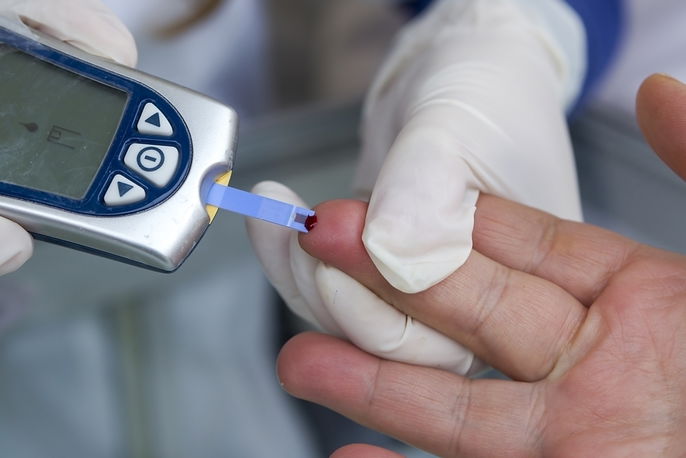
A fingerstick blood glucose test is performed by pricking the fingertip with a lancet and placing a drop of blood on a test strip inserted into a blood glucose meter, also called a glucometer.
This test measures blood glucose levels and is commonly used to help manage diabetes. It is often performed before and after meals, depending on a person's treatment plan.
4. Postprandial blood glucose
Postprandial blood glucose is a blood test that checks blood glucose levels 1 to 2 hours after the start of a meal.
In people without diabetes, postprandial blood glucose is typically below 140 mg/dL 2 hours after eating.
5. Glycated hemoglobin (HbA1c)
Glycated hemoglobin, or HbA1c, is a blood test that measures the percentage of hemoglobin with glucose attached to it. It reflects your average blood glucose level over the previous 2 to 3 months.
This is because red blood cells typically live for about 3 months, allowing glucose to gradually attach to hemoglobin over time. According to the American Diabetes Association, a normal HbA1c level is below 5.7%.
However, HbA1c results may be affected by certain conditions, such as anemia, blood disorders, or some medications.
6. Oral glucose tolerance test
The oral glucose tolerance test, or OGTT, is a blood test that checks fasting blood glucose and then checks it again 2 hours after drinking a sugary liquid containing 75 g of glucose.
The OGTT helps diagnose diabetes and prediabetes. It may also be used to help diagnose gestational diabetes, although testing methods during pregnancy can vary.
Normal OGTT values are below 100 mg/dL while fasting and below 140 mg/dL 2 hours after drinking the glucose solution.
7. Continuous glucose monitor
A continuous glucose monitor, or CGM, is a water-resistant device applied to the back of the arm or the abdomen. It helps track glucose levels in people with type 1 or type 2 diabetes without routine finger pricks.
The sensor has a very thin filament that stays under the skin and measures glucose in the fluid between cells. It usually does not cause pain or discomfort and may also be used by children with diabetes.
Depending on the device, glucose readings may appear automatically or after scanning the sensor with a smartphone or reader. The result then appears on the screen.
Reasons for testing
Blood glucose testing helps identify conditions such as:
-
Gestational diabetes
-
Insulin resistance
-
Prediabetes
-
Thyroid disorders
-
Pancreatic diseases
-
Hormonal problems
Blood glucose testing can also help support the diagnosis of dumping syndrome, a condition in which food passes too quickly from the stomach to the intestines, causing symptoms such as dizziness, nausea, and shaking.
Blood glucose is also often checked during hospital stays in people who are receiving IV fluids with glucose or medications through a vein.
Blood glucose level chart
The table below shows the reference ranges for the different blood glucose tests.
It is important to note that blood glucose values may vary depending on the lab and the type of test performed.
If blood glucose levels are abnormal, a healthcare provider may also recommend other tests to check for possible causes.
Blood glucose calculator
To understand your glucose test result, enter your results in the calculator below:
If blood glucose levels are outside the recommended range, it is best to see a healthcare provider for a complete evaluation and more accurate tests to confirm the result.
Low blood glucose
Low blood glucose, also called hypoglycemia, is a decrease in blood glucose levels. It is identified when values are below 70 mg/dL.
Low blood glucose may occur when a person with diabetes takes too much medication, eats less than their body requires, or consumes too much alcohol.
Symptoms of low blood glucose
Symptoms of low blood glucose include dizziness, cold sweats, nausea, blurred vision, fainting, headache, confusion, and coma.
According to the CDC, low blood glucose can often be treated with fast-acting carbohydrates.
Also recommended: What are Carbohydrates? Types, Foods & Amounts tuasaude.com/en/what-are-carbohydratesWhat to do: To treat low blood glucose, it is recommended to consume 15 g to 30 g of simple carbohydrates, such as 1 tablespoon of sugar dissolved in water or 1 tablespoon of honey.
Then, wait 15 minutes, check blood glucose again, and repeat the same treatment if it is still low.
However, when blood glucose is below 54 mg/dL or the person has changes in thinking or awareness, a healthcare provider may prescribe glucagon.
High blood glucose
High blood glucose, or hyperglycemia, occurs when blood sugar levels are above 125 mg/dL while fasting or 200 mg/dL 2 hours or more after a meal.
High blood glucose may happen as a side effect of medications or as part of the body's response after surgery, for example. However, when it is persistent, it may be associated with diabetes.
Symptoms of high blood glucose
High blood glucose usually does not cause symptoms. However, when blood glucose is very high for a long time, symptoms such as increased hunger or thirst, blurred vision, unexplained weight loss, and increased urination may occur.
What to do: Treatment may include diabetes medications, such as metformin or glyburide, or insulin injections.
A healthcare provider may also recommend lifestyle changes, such as eating a healthy diet and exercising regularly, to help improve insulin function and regulate blood glucose levels.
