


- Altitude sickness occurs when your body doesn’t get enough oxygen at elevations above 8,200 feet (2,500 meters), leading to symptoms like headache, nausea, and fatigue.
- Gradual ascent, proper hydration, and rest are key to prevention, while medications like acetazolamide can help your body adapt more easily.
- In severe cases, descending to a lower altitude and using supplemental oxygen are the most effective treatments, according to the WHO.
Altitude sickness happens when your body doesn’t get enough oxygen at high altitudes, usually above 8,200 feet (2,500 meters) above sea level. The most common symptom is a headache, but you might also feel nauseous, vomit, or lose your appetite.
Also known as acute mountain sickness, soroche, or paramo sickness, this condition occurs because there’s less oxygen available in the air at higher elevations. To prevent altitude sickness, it’s best to climb gradually, giving your body time to adjust to the thinner air.
If left untreated, altitude sickness can become serious and lead to life-threatening complications like high-altitude pulmonary edema (HAPE) or high-altitude cerebral edema (HACE). That’s why recognizing the signs early and treating them promptly is very important.
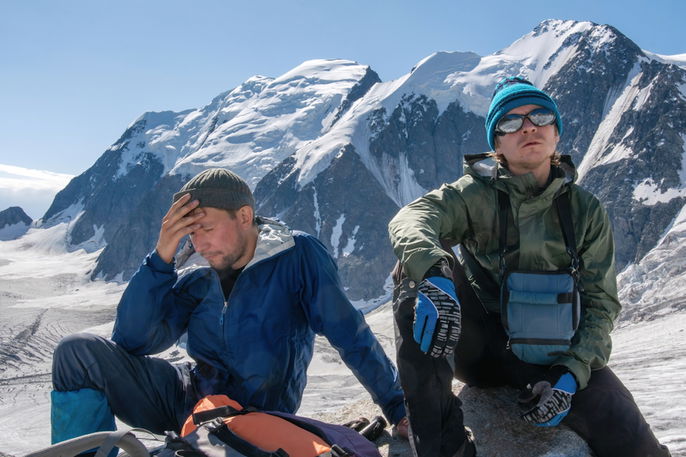
Main symptoms
Common symptoms of altitude sickness include:
-
Headache
-
Nausea
-
Vomiting
-
Loss of appetite
-
Fatigue
-
Weakness
-
Trouble sleeping
-
Dizziness
-
Lethargy
These symptoms usually improve after about three days, as long as you don’t continue to ascend. However, if symptoms worsen or you keep climbing higher, altitude sickness can progress to HAPE or HACE.
High-altitude pulmonary edema (HAPE) may cause shortness of breath even at rest, dry cough that turns productive, bluish lips, frothy or blood-streaked sputum, and chest pain.
High-altitude cerebral edema (HACE) can cause severe headache, nausea, vomiting, confusion, vision changes, and even loss of consciousness or coma.
Why altitude sickness happens
As you climb higher, air pressure decreases, meaning each breath delivers less oxygen to your body. This oxygen shortage, known as hypoxia, is what causes the classic symptoms, especially headache.
Your body tries to adjust through a process called acclimatization, where your breathing and metabolism gradually adapt to higher altitudes. This adjustment takes time, which is why slow ascents are recommended.
Treatment options
The first step in treating altitude sickness is to stop climbing and rest. Stay warm, eat light meals, and drink plenty of fluids.
Doctors may prescribe acetazolamide (Diamox) to help your body adapt by improving oxygenation in your blood. According to the Centers for Disease Control and Prevention (CDC), acetazolamide is effective for both the prevention and treatment of acute mountain sickness by enhancing acclimatization. Your doctor might also recommend pain relievers like acetaminophen (Tylenol) or ibuprofen (Advil) for headaches, and anti-nausea medications such as ondansetron (Zofran) if needed.
If symptoms are severe, treatment may include supplemental oxygen or the use of a portable hyperbaric chamber, which helps simulate lower altitude conditions.
If the person doesn’t improve, it’s essential to descend 1,000 to 3,000 feet (300–1,000 meters). When signs of cerebral edema are present, doctors may give dexamethasone, a corticosteroid that helps reduce brain swelling. Based on guidance from the World Health Organization (WHO), supplemental oxygen and descent remain the most effective treatments for severe cases of altitude illness, including high-altitude cerebral or pulmonary edema.
Prevention tips
To prevent altitude sickness, it’s best to ascend slowly and give your body time to adjust to altitude changes.
Some people may take acetazolamide before traveling to high altitudes to help prevent symptoms, but this should only be done under medical supervision. This is especially important for people who’ve had altitude sickness before or those with chronic lung or heart conditions such as COPD, sleep apnea, cystic fibrosis, or heart disease.
While coca leaves are used in traditional Andean medicine to help with altitude symptoms, they are not FDA-approved and are not legally available in the United States. Travelers should instead rely on safe, approved medications and gradual acclimatization to prevent altitude sickness.