


Lymphedema is a type of swelling that occurs when protein-rich lymphatic fluid builds up in the body's tissues. This usually happens because the lymphatic vessels are blocked or damaged, though genetics and infections can also play a role.
While the swelling most frequently affects the arms or legs, it can also occur in the face, neck, chest, or genitals. Typical symptoms include a feeling of heaviness, localized pain, and difficulty moving the affected area.
Vascular specialists and surgeons typically manage the condition through a combination of manual drainage, exercise, and skin care. In some cases, doctors may also prescribe medication or recommend surgical procedures to improve fluid flow.
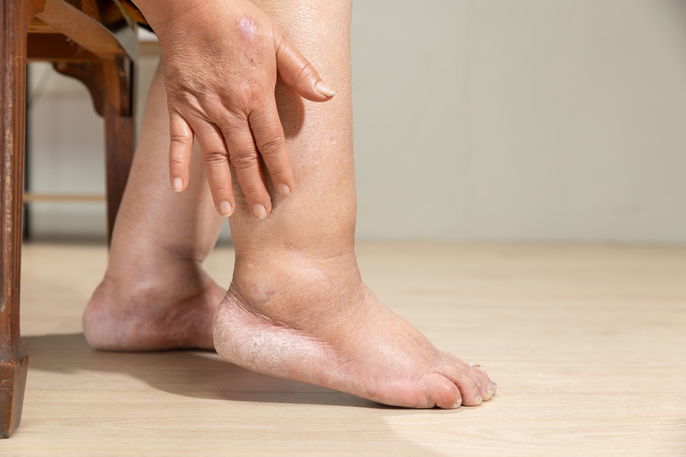
Symptoms of lymphedema
The primary symptoms of lymphedema include:
-
Swelling in the arms or legs, which can also extend to the chest, abdomen, neck, or genitals;
-
A sensation of heaviness, tightness, or stiffness in the affected area;
-
Tingling or the feeling that the skin is being stretched;
-
Reduced range of motion in nearby joints;
-
Hardened skin, a condition known as fibrosis;
-
Changes in skin color in the affected region;
-
Pain or general discomfort in the affected limb or area.
In more advanced cases, lymphatic fluid may leak through the skin's surface, a condition called lymphorrhea. This leaves the skin feeling cold and constantly damp, while also increasing the sensitivity of the affected area.
It is also common to see a decrease in sensitivity and an increase in local fat deposits. This can cause the limb to become misshapen or appear asymmetrical.
What is the difference between lipedema and lymphedema?
Lymphedema is caused by a failure in the lymphatic drainage system, leading to a buildup of fluid in the tissues. This results in swelling that feels hard or heavy and often affects only one side of the body.
In contrast, lipedema is an abnormal accumulation of fat, typically in the legs, hips, and arms. While it causes pain, sensitivity, and a swollen appearance, it does not involve the same type of fluid retention seen in lymphedema.
How to confirm the diagnosis
A diagnosis is typically made by a general practitioner or a vascular specialist through a review of your medical history and an evaluation of your symptoms.
The doctor will also perform a physical exam to assess the severity and duration of the swelling. This often involves measuring the affected limb and comparing it to the opposite side.
To confirm the findings, doctors may request imaging tests to visualize the lymphatic system. These tests can include ultrasound, MRI, CT scans, or a more specialized method known as lymphoscintigraphy.
Possible causes
Several factors can lead to the development of lymphedema, including:
-
A family history of the condition;
-
Congenital malformations of the lymphatic system;
-
Surgery or radiation therapy for cancer, particularly when lymph nodes are removed;
-
Metastatic cancer that spreads to the lymphatic system;
-
Physical trauma to the lymphatic vessels;
-
Being overweight or having obesity;
-
Chronic venous insufficiency;
-
Inflammatory conditions like rheumatoid arthritis or eczema;
-
Heart or kidney diseases that affect circulation.
Lymphedema can also be triggered by infections near the lymphatic vessels, such as cellulitis. In some regions, infections that cause scarring in the vessels, like filariasis (elephantiasis), are also common causes.
Is lymphedema cancer?
Lymphedema is not cancer; it is a condition caused by the accumulation of lymphatic fluid due to damage or blockages in the drainage system. However, it is a frequent side effect for patients who have undergone surgery or radiation for cancer treatment.
Types of lymphedema
Lymphedema is generally categorized into two main types based on its underlying cause:
1. Primary lymphedema
Primary lymphedema is often categorized by the age at which symptoms first appear:
-
Congenital lymphedema: Present at birth or developing before age 2;
-
Lymphedema praecox: Appearing during puberty or up to age 30;
-
Lymphedema tarda: Developing after age 35.
Though rare, primary lymphedema is the result of genetic mutations or issues with how the lymphatic system developed before birth.
2. Secondary lymphedema
Secondary lymphedema occurs when the lymphatic system is damaged or obstructed by external factors like infection, surgery, radiation, or trauma. These cases often involve inflammation and the hardening of tissues, known as fibrosis.
This type is common following breast cancer treatment, especially if lymph nodes were removed. Gravity can also cause fluid to pool in the arm when the drainage system is compromised.
How treatment is performed
Treatment is managed by a vascular specialist with the goal of improving lymphatic drainage. The following methods are commonly used:
1. Decongestive therapy
This therapy is usually performed by a physical therapist and involves several techniques:
-
Manual lymphatic drainage (MLD), which is a specialized, gentle massage that directs fluid toward functioning lymphatic vessels;
-
Elastic compression, using sleeves or stockings to help encourage the return of lymph fluid;
-
Short-stretch bandaging, applied in layers after drainage to help reduce the edema over time.
Lymphatic drainage after lymph node removal requires a specific technique to move fluid to healthy nodes. If performed incorrectly, it can cause pain or worsen the swelling.
This treatment should be avoided if there is active cancer in the area, a blood clot, or an active skin infection, as it could worsen these conditions.
2. Medications
Doctors may prescribe antibiotics, such as penicillin or cephalexin, to treat skin infections. Anti-inflammatory medications, like ibuprofen or ketoprofen, can also help reduce swelling and improve the health of the affected tissues.
3. Physical exercise
Low-impact activities, such as walking and stretching, help stimulate the lymphatic system and improve overall circulation.
4. Skin care
It is vital to keep the skin clean and well-hydrated. Patients should avoid tight clothing or buttons that could cause skin breaks or infections. Soft cotton clothing and padded closures are often recommended for comfort and safety.
5. Balanced diet
A healthy diet helps manage lymphedema by reducing fluid retention and systemic inflammation. Reducing salt intake is key; you can use herbs like parsley, thyme, and oregano to add flavor instead.
Avoid canned goods, processed meats, and highly salted snacks, as these encourage swelling. Focus on eating fresh fruits and vegetables and staying well-hydrated with water throughout the day. If weight is a contributing factor, a nutritionist can help design a balanced plan for healthy weight loss.
6. Surgery
When conservative treatments are not enough, surgical options may be considered to restore flow or remove excess tissue.
These options include lymphatic-venous anastomosis, which links lymphatic vessels to the bloodstream, and lymph node transfer, which moves healthy nodes to the affected area. In advanced stages, liposuction can remove excess fat, or surgery can remove severe fibrous tissue. Low-level laser therapy may also be used to reduce inflammation.
If the lymphedema is being caused by a tumor, treating the underlying cancer is a primary part of managing the condition.
Is there a cure for lymphedema?
There is no permanent cure for lymphedema, as the underlying damage to the lymphatic system cannot be fully reversed. However, consistent treatment can significantly reduce and manage the swelling.
Most patients benefit from a 3 to 6-month cycle of clinical and physical therapy. Initially, 5 sessions per week are often recommended until the swelling stabilizes, followed by a maintenance phase of 8 to 10 weeks based on the patient's progress.