


Lutein is a carotenoid, a yellow-orange pigment with antioxidant properties. It helps protect the eyes from the sun’s ultraviolet (UV) rays and from blue light emitted by screens like computers and cell phones, helping reduce the risk of cataracts and macular degeneration.
Lutein may also help slow premature skin aging. By helping protect the skin from free radicals and UV exposure, it can support skin firmness and help reduce the formation of wrinkles and sagging.
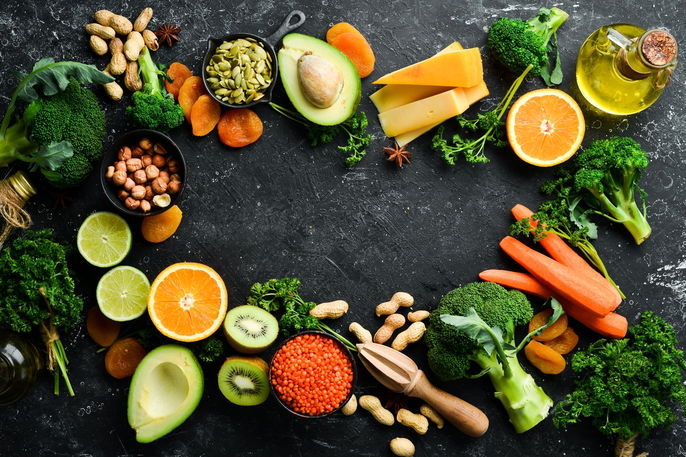
Lutein can be obtained through foods such as kale, arugula, spinach, broccoli, lettuce, and jaboticaba. In some cases, a doctor may recommend lutein supplements to help prevent certain vision problems.
Health benefits
Lutein provides the following health benefits:
1. Maintains eye health
Lutein helps protect the eyes from damage caused by free radicals and from blue light emitted by devices such as computers, tablets, and cell phones.
Because of this, lutein may help prevent cataracts and age-related macular degeneration, a progressive condition that can lead to vision loss.
2. Prevents premature aging
Because of its antioxidant properties, lutein helps reduce excess free radicals in the skin. This can help prevent wrinkles and sagging and, in turn, premature aging.
3. Improves memory and cognition
Because lutein is also found in the brain, some studies suggest it may improve memory, learning, and cognition. This may happen because this carotenoid helps preserve neuron function and protects neurons from damage caused by free radicals.
4. May support heart health
Because lutein has anti-inflammatory and antioxidant effects, it may reduce inflammation and help prevent oxidation in fat cells. This can help balance blood levels of “bad” cholesterol (LDL), potentially supporting heart health.
However, more studies are still needed to confirm lutein’s possible benefits for cardiovascular health.
5. May help prevent cancer
Lutein has strong antioxidant properties, which may help protect DNA and support the immune system. Because of this, it may help prevent the development of some types of cancer, such as colon, pancreatic, and esophageal cancer, although more studies are still needed to confirm this effect.
Lutein vs zeaxanthin
Like lutein, zeaxanthin is a yellow-orange pigment with antioxidant, anti-inflammatory, and photoprotective properties. It may help support heart, skin, and vision health.
Neither zeaxanthin nor lutein is produced by the body. Both must be obtained through foods such as kale, oranges, mango, carrots, and corn, for example.
Food sources
The table below shows the amount of lutein per 100 g of lutein-rich foods:
Because lutein is a carotenoid, it is better absorbed when eaten with a source of fat, such as olive oil, avocado oil, walnuts, and almonds, for example.
When to take supplements
Lutein supplements may be recommended to help prevent cataracts, a condition that can be caused by factors such as aging, diabetes, or smoking and may lead to vision loss.
This supplement may also be recommended to help prevent or relieve symptoms of age-related macular degeneration.
The typical recommended dose of lutein supplements ranges from 10 mg to 20 mg per day, and it may be taken with a meal that contains fat, such as olive oil or nuts, for example.
The appropriate dose and method of taking lutein supplements depend on a person’s health status, nutritional needs, and treatment goals. Therefore, these supplements should be used only under the supervision of a doctor or a registered dietitian.