


- Seek urgent medical care for heavy bleeding, blood in the urine or stool, or cuts that do not stop bleeding.
- Watch for frequent nosebleeds, bleeding gums, or new red or purple spots on the skin, especially if they appear suddenly.
- Severe low platelets can become life-threatening when counts drop very low, especially below 20,000 cells/mm³.
Low platelets is a condition in which the number of platelets in the blood falls below 150,000 cells/mm³, often due to infections, medications, or immune-related diseases. This condition, also known as thrombocytopenia, can interfere with normal blood clotting and increase the risk of bleeding.
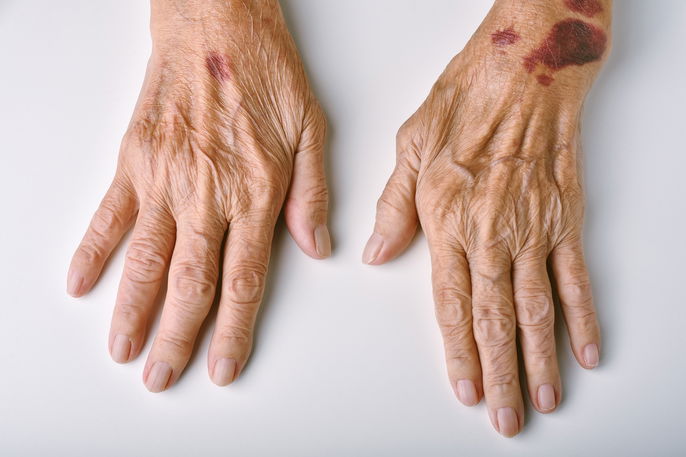
Low platelets can cause symptoms such as bruising, small red or purple spots on the skin, bleeding gums, nosebleeds, or blood in the urine or stool. These signs tend to be more noticeable when platelet levels are very low or when low platelets occur with other conditions that affect clotting.
Low platelets may be caused by platelet destruction, reduced production in the bone marrow, or conditions that affect the spleen. Treatment depends on the cause and may include stopping certain medications, using corticosteroids or immunosuppressants, or, in more severe cases, platelet transfusion or other medical procedures.
Main symptoms
According to the National Heart, Lung, and Blood Institute, the main signs and symptoms of low platelets include:
-
Purple or reddish spots on the skin, such as bruises or petechiae
-
Bleeding gums
-
Nosebleeds
-
Difficulty getting cuts or wounds to stop bleeding
These symptoms can occur in anyone with low platelets, but they are more common when platelet levels are very low (for example, below about 50,000 cells/mm³) or when low platelets occur together with another condition, such as dengue or cirrhosis, that affects blood clotting.
Main causes
The main causes of low platelets are:
1. Platelet destruction
Some situations can cause platelets to be broken down more quickly in the bloodstream, which lowers the platelet count. The main causes include:
-
Viral infections, such as dengue, Zika, mononucleosis, and HIV, or bacterial infections, which can affect platelet survival because of changes in the immune system
-
Use of certain medications, such as heparin, sulfa drugs, anti-inflammatory drugs, anticonvulsants, and blood pressure medications, because they can trigger reactions that destroy platelets
-
Autoimmune conditions that can cause the body to attack and destroy platelets, such as lupus, immune thrombocytopenic purpura (ITP), thrombotic thrombocytopenic purpura, hemolytic uremic syndrome, and hypothyroidism
Immune-related conditions usually lead to a more severe and longer-lasting drop in platelets than infections or medication use.
In addition, people can react differently depending on their immune system and individual response, which is why some individuals with dengue may have much lower platelet counts than others.
2. Low folic acid or vitamin B12
Nutrients such as folic acid and vitamin B12 are essential for hematopoiesis, which is the process of making blood cells. When folic acid or vitamin B12 levels are low, the production of red blood cells, white blood cells, and platelets can decrease.
These deficiencies are more common in people who follow a vegan diet without appropriate nutritional monitoring, people who are malnourished, individuals with alcohol use disorder, and those with conditions that cause occult (hidden) bleeding, such as bleeding in the stomach or intestines.
3. Bone marrow changes
Some changes in bone marrow function can reduce platelet production. These changes can be related to:
-
Bone marrow disorders, such as aplastic anemia or myelodysplasia, which can cause reduced or abnormal blood cell production
-
Bone marrow infections, such as HIV, Epstein-Barr virus, and chickenpox
-
Cancer that affects the bone marrow, such as leukemia, lymphoma, or metastases
-
Chemotherapy, radiation therapy, or exposure to toxic substances that affect the bone marrow, such as lead and aluminum.
In these cases, it is also common to see anemia and a low white blood cell count on a blood test, because the bone marrow is responsible for producing several blood components.
4. Problems with spleen function
The spleen removes old blood cells, including platelets. If the spleen becomes enlarged, as can happen with conditions such as liver cirrhosis, sarcoidosis, or amyloidosis, it may also remove healthy platelets in greater-than-normal amounts.
5. Other causes
When low platelets are found without a clear cause, other possibilities should be considered, such as a lab error. In some cases, platelets can clump together in the blood collection tube because of a reagent in the tube, so repeating the test may be necessary.
Alcohol use disorder can also lower platelet levels because alcohol is toxic to blood cells and can also affect bone marrow production. During pregnancy, physiologic thrombocytopenia can happen because of blood dilution caused by fluid retention, and it is usually mild and goes away on its own after delivery.
Can you die from low platelets?
Having low platelets is not always dangerous. However, the risk of severe bleeding increases as the platelet count drops.
According to the National Heart, Lung, and Blood Institute, a platelet count below 20,000 platelets per microliter is considered severely low and, without proper treatment, can lead to life-threatening bleeding. At this level, the risk of serious bleeding, including intracranial hemorrhage, rises significantly.
Mild bleeding from the gums or nose may begin to happen when platelet levels fall below 50,000.
Even though low platelets are not always dangerous, it is still important for a healthcare provider to review the test results. This allows them to identify the cause and begin the most appropriate treatment.
Treatment options
After finding the cause of the low platelets, the doctor can recommend the most appropriate treatment to increase platelet levels, which may include:
-
Removing the cause, such as stopping a medication, treating an infection or disease, or reducing alcohol intake
-
Using corticosteroids, steroids, or immunosuppressants when treatment for an autoimmune disease is needed
-
Surgical removal of the spleen, called splenectomy, when thrombocytopenia is severe and caused by an overactive spleen
-
Blood filtration, called plasma exchange or plasmapheresis, which filters part of the blood that contains antibodies and other components that affect the immune system and blood circulation, and may be used in conditions such as thrombotic thrombocytopenia and hemolytic uremic syndrome
-
Platelet transfusion, mainly recommended when there is hemorrhage, when surgery is needed, or when platelet levels are below 20,000 cells/mm³
In cases of cancer, treatment depends on the type and severity of the disease and may include options such as chemotherapy or a bone marrow transplant.
It is also important to maintain a balanced diet rich in grains, fruits, vegetables, leafy greens, and lean meats to support blood cell production and recovery.
It is also recommended to avoid intense physical activity or contact sports, avoid alcohol, and avoid medications or supplements that affect platelet function or increase the risk of bleeding, such as aspirin, anti-inflammatory drugs, anticoagulants, and ginkgo biloba.