


Lichen sclerosis, also known as lichen sclerosus et atrophicus, is a chronic skin condition that causes whitish patches in the anal and genital area. It can also cause itching, local irritation, and peeling.
Lichen sclerosis can affect men and women of any age, but it is more common in postmenopausal women. The exact cause is not fully understood, but it may be related to genetic and immune system changes.
Treatment for lichen sclerosis aims to relieve symptoms and prevent new skin changes from developing. It should be done as recommended by a gynecologist or dermatologist, who may prescribe corticosteroid ointments, for example.
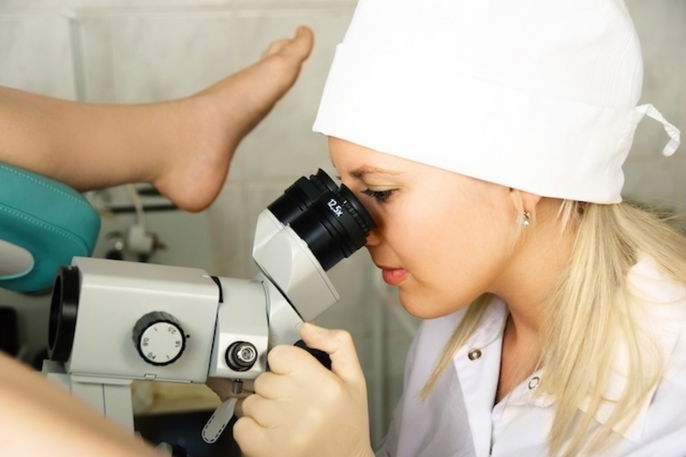
Symptoms of lichen sclerosis
The main symptoms of lichen sclerosis are:
-
Blisters on the skin around the anus and genitals;
-
White or reddish-white patches;
-
Peeling and cracks in the skin;
-
Itching and skin irritation, especially at night;
-
Pain when urinating, having a bowel movement, or during sexual intercourse;
-
Discharge;
-
Changes in the color of the affected area.
In some cases, the skin in the affected area may also change, becoming thinner or thicker.
Confirming a diagnosis
Lichen sclerosis should be diagnosed by a gynecologist, urologist, or dermatologist based on the person’s symptoms and a physical evaluation.
To confirm the diagnosis, the doctor may also recommend a biopsy. This involves collecting a small sample of the affected tissue so that the cell characteristics can be evaluated and skin cancer can be ruled out.
Common causes
The exact causes of lichen sclerosus et atrophicus are still unknown, but some studies suggest that it may be related to human papillomavirus (HPV) infection or overexpression of p53, a protein involved in cell cycle regulation. Lichen sclerosis is also believed to be related to genetic and immune system factors.
Treatment options
Treatment for lichen sclerosus et atrophicus should be guided by a dermatologist, a gynecologist in women, or a urologist in men. It is usually done with corticosteroid ointments, such as clobetasol propionate, applied daily to the affected area.
In addition, some important measures during treatment include:
-
Avoid scratching the affected areas;
-
Wear loose-fitting clothing, preferably cotton;
-
Avoid wearing underwear at night when lichen sclerosis affects the genital area;
-
Keep the area clean with water and mild soap.
In some cases, the doctor may also recommend antihistamines, such as cetirizine or desloratadine, to help relieve itching and swelling in affected areas of the skin.