


Lactate dehydrogenase (LDH) is an enzyme present in nearly all body tissues that helps convert sugar into energy. Since it is found in many organs, LDH levels are not linked to a single condition but can give valuable information about overall health.
A lactate dehydrogenase test is often ordered to detect or monitor tissue damage and conditions such as liver disease, heart problems, infections, or certain types of cancer. It can also be used to evaluate treatment effectiveness, especially during chemotherapy or radiotherapy.
High or low LDH levels may indicate different health issues or be influenced by factors like exercise, medications, or pregnancy. Understanding lactate dehydrogenase test results with other lab findings is essential for accurate diagnosis and appropriate medical care.
What it tests
The LDH test is used as a method for diagnosing and/or monitoring the treatment of:
- Tissue damage
- Liver, lung or kidney disease
- Heart disease or myocardial infarction
- Pulmonary embolism
- Brain or spinal cord inflammation, like encephalitis or meningitis
- Muscular dystrophy
- Severe infections, mononucleosis or HIV
The LDH test can also help to monitor chemotherapy or radiotherapy treatment and assess the severity of some types of cancer.
Reference values
The normal levels of lactate dehydrogenase are:
It is important to note that exact reference values may vary from lab to lab.
High LDH levels
High LDH levels may be caused by:
- Megaloblastic or hemolytic anemia
- Hepatitis or liver cirrhosis
- Obstructive jaundice
- Heart or lung failure
- Pancreatitis
- Septic shock
- Meningitis, encephalitis, mononucleosis or HIV
An increase in LDH is normally a sign of tissue or organ injury. Cells that become damaged will release LDH into the bloodstream, leading to elevated levels in the blood.
LDH levels can also become elevated with COVID-19, which can also cause other abnormal lab results, like decreased lymphocytes and increased CRP and D-dimer. Some studies suggest that the higher the LDH, the more severe the illness.
Other factors, like intense physical activity, some medications and pregnancy, can also cause high LDH levels without any disease or cellular injury. This is especially true if LDH levels are high but all other blood tests are within normal findings.
Low LDH levels
Decreased lactate dehydrogenase in the blood is usually not a significant concern, and is not associated with any health conditions. In some cases, low LDH can be related to excessive vitamin C intake, in which case the doctor may recommend some diet changes.
Additionally, low LDH can also occur with lactate dehydrogenase deficiency.
How to prepare for testing
In most cases, fasting or preparation is usually not necessary when testing LDH levels, however you should consult your laboratory to ensure their protocol is followed.
You may need to inform the lab tech of any medications you are taking.
How the LDH test is performed
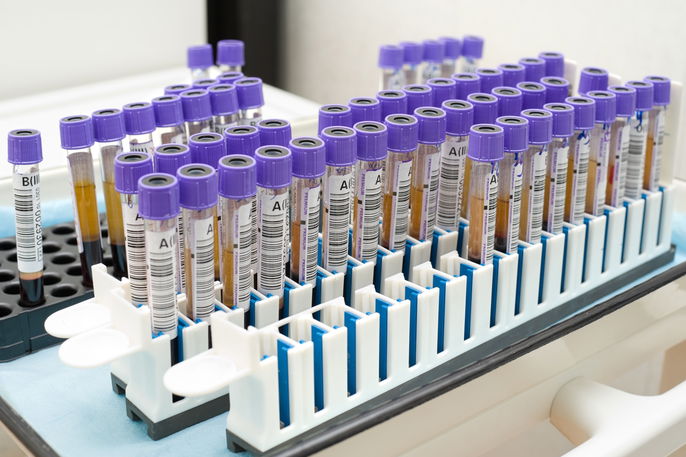
The LDH test is performed by collecting a blood sample and sending it to a lab for analysis. LDH can also be tested through cerebrospinal fluid, which is collected from a lumbar puncture. Understand how a lumbar puncture is performed.
In addition, LDH levels can be assessed in the abdominal cavity fluid, collected througha paracentesis, or from fluid collected from the pleural space in the lungs, through thoracentesis.
Types of LDH
LDH can be divided into 5 types, known as isoenzymes, according to their location in the body, which include
- LDH-1, which is present in the heart, red blood cells and kidneys
- LDH-2, which is present in the heart (in low concentrations) and in white blood cells
- LDH-3, which is present in the lungs
- LDH-4, which is present in the placenta and pancreas
- LDH-5, which is found in the liver and skeletal muscles
Abnormal LDH levels will usually prompt the doctor to look at LDH isoenzymes, to investigate for more specific changes. LDL reference levels may range from lab to lab, however levels are usually normal at 120 to 246 UI/L in adults.