


Kojic acid is a skin-lightening ingredient used to reduce dark spots, such as melasma, sun spots, and age spots. It works by inhibiting the formation of tyrosine, which is important for melanin production.
Melanin is the pigment that gives skin its color. By reducing melanin production, kojic acid can help make dark patches look lighter over time.
Kojic acid also has antibacterial properties and may be used in skincare for acne or pimples. It is commonly found in 1% to 4% formulations, usually as a cream or serum, and should be used with guidance from a dermatologist based on your skin type and needs.
Indications for use
Kojic acid is indicated for:
-
Dark spots caused by melasma, sun exposure, or aging
-
Dark circles under the eyes
-
Improving the appearance of scars
-
Dark spots in the groin or underarms
-
Acne, pimples, or blackheads
-
Fungal skin infections or athlete’s foot
Kojic acid can also contribute to facial rejuvenation by lightening the skin, which helps it look clearer and more even in tone.
Kojic acid can be used alone in products at concentrations between 1% and 4%, but it can also be combined with other acids, such as glycolic acid, to boost its effects.
At concentrations above 1%, kojic acid should only be used under the recommendation of a dermatologist, because according to the American Academy of Dermatology, conditions such as melasma benefit from an individualized treatment plan created by a board-certified dermatologist.
What it does
Kojic acid is produced from different types of fungi or through the fermentation of soy, rice, or wine.
Its main function is to reduce the production of tyrosine, an amino acid that is essential for making melanin, the pigment responsible for skin color and associated with dark spots.
In addition, kojic acid has antibacterial and antifungal properties, so it may also help treat acne and fungal skin infections, including athlete’s foot.
Kojic acid in cream form is usually better for mature or dry-prone skin, while the serum form is generally more suitable for oily or acne-prone skin.
How to apply
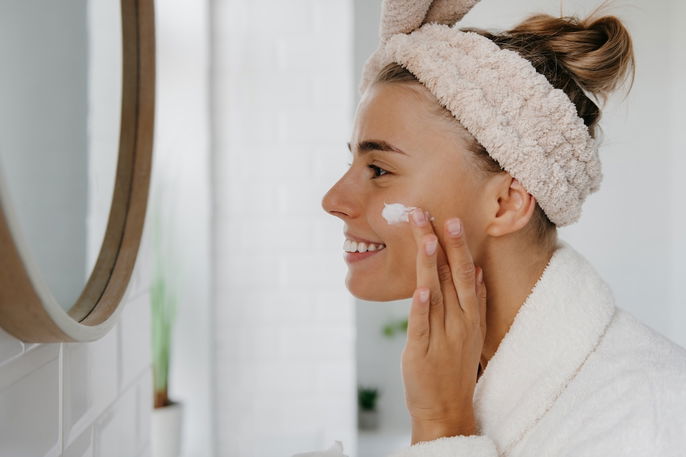
Kojic acid should be used by applying a thin layer of cream or 3 to 4 drops of serum to the skin.
To use kojic acid, follow these steps:
- Wash the face with water and a gentle cleanser.
- Dry the skin well with a clean, dry towel.
- For acne, apply kojic acid to the chin, forehead, cheeks, and nose, then spread it gently over the entire face and lightly massage the skin.
- For dark spots, apply a thin layer of kojic acid cream over the spot and about 0.5 cm around it.
- Apply the moisturizer recommended by your doctor after the kojic acid has been absorbed.
- Apply sunscreen with at least SPF 30, even on cloudy days.
It is recommended to apply kojic acid once a day, either in the morning or at night.
If it is applied in the morning, sunscreen should always be used right afterward to protect the skin from the harmful effects of the sun. If it is used at night, it is recommended to wash the face the next morning and apply sunscreen after that.
According to the American Academy of Dermatology, sunscreen with SPF 30 or higher helps protect skin that is prone to dark spots and hyperpigmentation.
How long does it take to work?
Results from kojic acid may begin to appear as early as the second week of use and usually continue to improve gradually over time.
Treatment usually lasts 10 to 12 weeks, and if there is no improvement, the doctor may suggest switching to a different formulation.
This is because the same acid should not be used on the skin for a long period, as it may cause irritation or trigger a rebound effect that can worsen dark spots.
Possible side effects
Kojic acid is usually well tolerated when used at a concentration of 1%. At higher concentrations, it is more likely to irritate the skin and can cause itching, redness, blisters, a burning sensation, or increased sensitivity.
If any of these symptoms appear, you should stop using the product. Kojic acid can also lead to contact dermatitis or skin peeling.
Contraindications for use
Kojic acid should not be used by children or by people who are pregnant or breastfeeding.
In addition, it should not be used on skin with lesions or wounds, as it may increase the risk of skin cancer.