


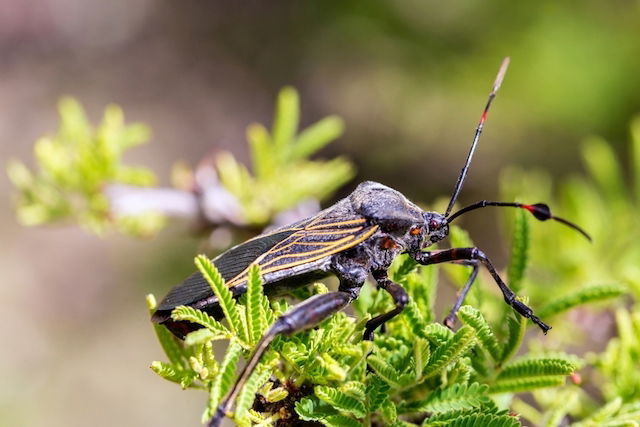
The kissing bug, medically known as Chagas diseasem is an infectious condition caused by the parasite Trypanosoma cruzi. It can lead to swelling at the site of a kissing bug bite, fever, enlarged lymph nodes, and serious complications such as digestive or heart problems, especially an enlarged heart muscle due to the chronic progression of the disease.
The kissing bug is the intermediate host of T. cruzi. When it bites a person, it often defecates or urinates, releasing the parasite. Scratching the bite site allows the parasite to enter the body and cause infection.
If there are signs or symptoms that suggest a kissing bug bite, it is important to see a primary care doctor or an infectious disease specialist. A timely diagnosis allows treatment to begin, usually with benznidazole, which is most effective in the acute phase because it acts directly against T. cruzi.
Main symptoms
The main symptoms of Chagas disease include:
-
Romaña’s sign, which is swelling of the eyelids that indicates the parasite has entered the body
-
Chagoma, which is localized skin swelling at the entry site of the parasite
-
Fever
-
Malaise
-
Enlarged lymph nodes
-
Headache
-
Nausea and vomiting
-
Diarrhea
In more severe cases, complications may include an enlarged heart (cardiomegaly), heart failure, megacolon, megaesophagus, and enlargement of the liver and spleen.
Symptoms usually appear 7 to 14 days after infection. However, when transmission occurs from contaminated food, symptoms may appear within 3 to 22 days.
Phases of Chagas disease
Chagas disease develops in two main phases:
-
Acute phase: Often symptom-free, this phase occurs while the parasite multiplies and spreads through the bloodstream.
-
Chronic phase: The parasite develops in organs, especially the heart and digestive system. This phase can remain silent for years, but severe complications such as cardiomegaly, heart failure, and enlargement of the spleen and liver may eventually appear.
Identifying the disease phase is essential so the doctor can prescribe the most appropriate treatment and help prevent long-term complications.
Confirming a diagnosis
Diagnosis is made by a primary care physician or an infectious disease specialist based on the disease phase, symptoms, and clinical history, including where the person lives or has traveled and eating habits.
Tests often include blood work, such as a complete blood count, and parasite detection in blood samples using thick smears or Giemsa-stained slides. Imaging exams like abdominal ultrasound and echocardiogram may also be ordered.
How it is transmitted
Chagas disease, also known as American trypanosomiasis, is caused by T. cruzi and transmitted mainly by the kissing bug. These insects typically hide in cracks of mud or thatched houses, in beds, mattresses, storage areas, bird nests, or tree trunks, and prefer places close to their food source.
After feeding on blood, the kissing bug often defecates or urinates near the bite site. When the person scratches, the parasite enters the body and spreads through the bloodstream. This is the main form of transmission.
Other transmission routes include eating food contaminated with kissing bugs or their feces, such as sugarcane juice or açaí, receiving a contaminated blood transfusion, or congenital transmission from mother to child during pregnancy or childbirth.
Treatment options
Treatment should begin as soon as Chagas disease is diagnosed. It is usually done with benznidazole, an antiparasitic medication that acts directly against T. cruzi. Treatment typically involves 2 to 3 doses per day for 60 consecutive days.
Dosage depends on age and weight:
-
Adults: 5 to 7 mg/kg/day, divided into two doses (morning and evening)
-
Children and adolescents over 12 years: 5 to 7 mg/kg/day, divided into two doses
-
Children under 12 years: up to 10 mg/kg/day for up to 20 days, with adjustments afterward as directed by the pediatrician
Treatment must always follow medical advice and continue even if symptoms improve, ensuring that the parasite is fully controlled and prevented from spreading.
In rare cases, intolerance to benznidazole may occur, with signs such as skin changes, nausea, vomiting, and diarrhea. If this happens, the doctor may replace benznidazole with nifurtimox.
Treatment during pregnancy
Because of potential risks during pregnancy, treatment for Chagas disease is generally not recommended while pregnant and is usually started only after childbirth. In severe cases, however, treatment may be considered to protect both mother and baby. Without treatment, there is a risk that the infection will pass from mother to child during pregnancy or delivery.
Signs of improvement and worsening
Signs of improvement usually begin during the first week of treatment and include reduced fever, less malaise, decreased abdominal swelling, and resolution of diarrhea.
Although symptoms often improve within the first month, treatment must continue for 2 months to ensure complete elimination of the parasite introduced by the kissing bug. The only way to confirm a cure is with a blood test at the end of treatment.
If treatment is not started or is not completed properly, symptoms may fade within 2 months, but the parasites remain in the body and continue to damage organs. In these cases, symptoms can return 20 to 30 years later, often in more severe forms affecting the heart, lungs, and digestive system, which can be life-threatening.