


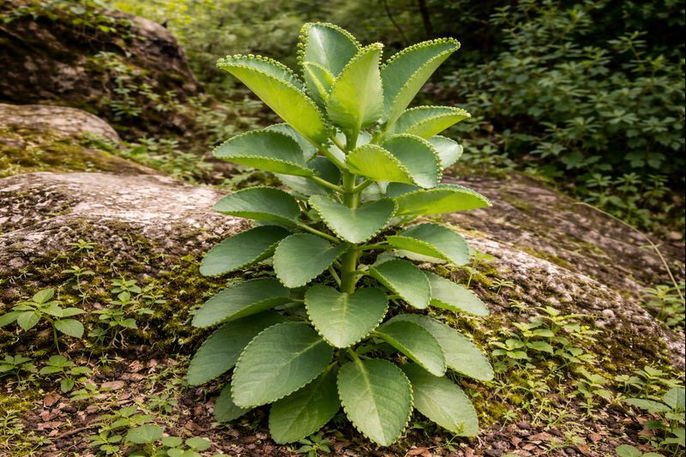
Kalanchoe is a group of succulent plants traditionally used in folk medicine in several parts of the world. It belongs to the Crassulaceae family and includes species commonly known as miracle leaf, life plant, or air plant.
The most studied medicinal species is Kalanchoe pinnata, also known scientifically as Bryophyllum pinnatum. Research has focused on its chemical compounds and how they may explain its traditional use for inflammation, infections, and wound care.
This article reviews what kalanchoe is, its main health benefits, the different types of this plant, common forms of use, and important safety information based on scientific sources.
Health benefits
Kalanchoe has been studied mainly in laboratory and animal models. The benefits described below are based on experimental evidence, not on large human clinical trials.
1. Anti-inflammatory effects
Kalanchoe contains flavonoids and phenolic compounds that help reduce inflammatory responses. Studies suggest these compounds may decrease swelling and inflammatory markers in the body.
2. Antioxidant activity
Extracts from kalanchoe leaves show antioxidant properties that help neutralize free radicals. This effect may support cell protection and reduce oxidative stress linked to chronic diseases.
3. Wound healing support
Research indicates that topical preparations made from kalanchoe leaves may promote faster wound closure. This effect is associated with improved tissue regeneration and reduced local inflammation.
4. Antimicrobial action
Kalanchoe extracts have demonstrated activity against certain bacteria and fungi in laboratory studies. These properties help explain its traditional use for minor skin infections.
5. Gastroprotective effects
Animal studies suggest that kalanchoe may help protect the stomach lining. This effect appears related to reduced acid damage and improved mucus production in the stomach.
Types of this plant
Several species of kalanchoe are used medicinally or studied for their biological activity. Each species may differ in chemical composition and strength.
1. Kalanchoe pinnata
This is the most researched species and the main focus of medicinal studies. It is widely used in traditional medicine for wounds, inflammation, and respiratory conditions.
2. Kalanchoe daigremontiana
This species is known for producing small plantlets along its leaf edges. It contains similar compounds to K. pinnata but is associated with a higher risk of toxicity if misused.
3. Kalanchoe brasiliensis
This species has been studied mainly in Brazil. Research focuses on its anti-inflammatory and analgesic potential.
How to use it
Kalanchoe is used in different forms in traditional practices. There is no standardized dosing approved by US health authorities.
1. Fresh leaf juice
The leaves are washed, crushed, and pressed to extract juice. In traditional use, small amounts are taken once or twice daily, but this form carries a higher risk of dosing errors.
2. Herbal tea or infusion
Dried or fresh leaves are infused in hot water for several minutes. This method is commonly used in folk medicine for digestive or inflammatory complaints.
3. Topical preparations
Creams or ointments containing kalanchoe extracts are applied directly to the skin. These are mainly used for wounds, burns, or minor skin irritation.
4. Capsules and supplements
Some dietary supplements contain dried kalanchoe extract. The concentration varies widely, and safety depends on the formulation and dose.
Possible side effects
Kalanchoe contains bufadienolides, which are compounds that can affect the heart. High doses or prolonged use may cause nausea, vomiting, abdominal pain, or heart rhythm disturbances.
Skin contact may cause irritation or allergic reactions in sensitive individuals. Toxicity risk is higher when leaves are consumed raw or in concentrated forms.
Contraindications
Kalanchoe should not be used during pregnancy or breastfeeding due to lack of safety data. It is also contraindicated in people with heart conditions or those taking cardiac medications.
Use should be avoided in children and in individuals with autoimmune diseases unless supervised by a healthcare professional. Self-medication with this plant is not considered safe.