


Jiggers (tungiasis) are caused by a tiny flea called Tunga penetrans that lives in sandy soil and can also be found in the fur of some animals. When it burrows into the skin, it can cause a small, whitish bump with a black dot in the center.
In some regions, jiggers are also known as sand fleas, pig fleas, dog fleas, jatecuba, matacanha, tunga, or tungiasis. Although the condition is usually not serious, it can sometimes cause nail deformities or loss and increase the risk of skin infections.
If you think you may have jiggers, it is recommended to see a primary care provider or a dermatologist for an evaluation. Treatment usually involves safely removing the parasite from the skin.
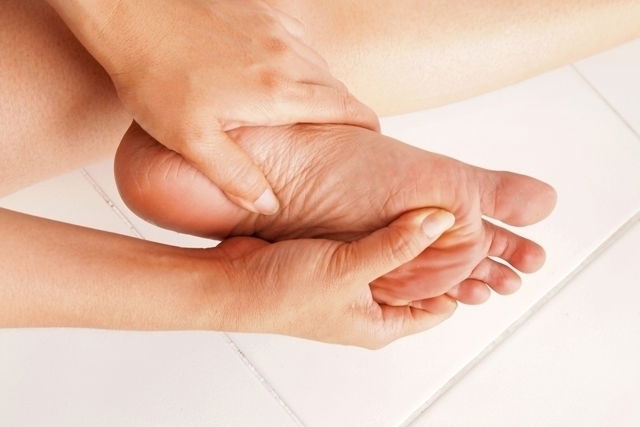
Main symptoms
The main symptoms of jiggers include:
-
Whitish bump (nodule) on the skin;
-
Black dot on the skin with a whitish area around it;
-
Pain and discomfort;
-
Itching at the affected site.
According to the World Health Organization (WHO), tungiasis can lead to secondary bacterial infections, nail deformation, difficulty walking, and long-term disability when left untreated, especially in severe or repeated infestations.
Jiggers most often affect the skin around the toenails, the soles of the feet, and the heels. Less commonly, they can also appear on areas like the buttocks, groin, hands, and neck.
At first, when the flea enters the skin, a small red spot may appear. After 1 to 2 days, this spot tends to get bigger and form a whitish bump.
As the bump grows, a black dot usually becomes visible in the center. After about 3 to 5 weeks, a dark crust may form over the affected skin.
How it's transmitted
Jiggers are usually found in dry, sandy soil, such as in gardens or animal pens. With direct skin contact, the flea can penetrate the skin and lodge there.
They may also be present in the fur of animals such as dogs, cats, or rats. Contact with these animals can increase the chance of exposure in areas where the flea is common.
How to remove
Jiggers often get better on their own within a few weeks, even without specific treatment. Still, removing the flea is important to help prevent bacteria and other microorganisms from infecting the area.
Removal is typically done using a sterile needle to fully extract the parasite from the skin where it is lodged. It is recommended to have this done by a primary care provider or dermatologist to reduce the risk of complications and infection.
Common medications
A dermatologist or primary care provider may recommend medications to relieve symptoms, such as antihistamines or corticosteroids. If there is an infection, if large areas of skin are affected, or after the parasite is removed, antibiotics may also be recommended as an ointment or oral tablets.
Prevention tips
Based on guidance from the Centers for Disease Control and Prevention (CDC), wearing protective footwear and reducing contact with infested soil and animals are key measures to prevent sand flea penetration and tungiasis.
It is also recommended to take pets to a veterinarian to check for this flea and start treatment if needed. Treating infected animals can help reduce the risk of the parasite spreading to people.