


Hyperemesis gravidarum is a condition during pregnancy that causes severe nausea and vomiting. These symptoms can make it difficult to eat and may lead to burning in the chest or throat, weight loss, and dehydration.
This condition is thought to be related to hormonal changes and changes in digestive function during pregnancy. It is more common in women with a history of conditions that can cause vomiting, such as migraine
If hyperemesis gravidarum is suspected, it is important to see an OB-GYN for evaluation. Treatment may include avoiding triggers, using anti-nausea medications, and, in more severe cases, receiving IV fluids.
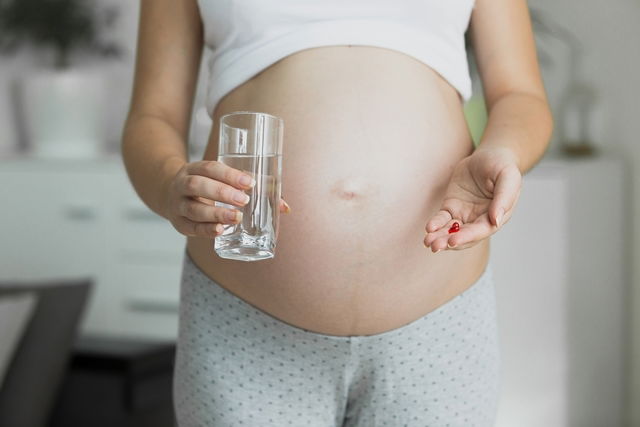
Hyperemesis gravidarum symptoms
The main symptoms of hyperemesis gravidarum are:
-
Frequent vomiting
-
Nausea
-
Difficulty eating
-
Weight loss
-
Excessive saliva production
-
Burning in the chest or throat
-
Acidic breath, similar to alcohol
-
Rapid heartbeat
-
Low blood pressure
Symptoms usually start around the 6th week of pregnancy and can be severe. According to the Royal College of Obstetricians and Gynaecologists, hyperemesis gravidarum can make it difficult to eat and drink normally and may lead to dehydration.
Pregnant people with hyperemesis gravidarum often do not get relief from common home remedies, such as lemon popsicles or ginger tea.
Is excessive vomiting dangerous for the baby?
In most cases, excessive vomiting does not harm the fetus, especially when treatment is followed as recommended by an OB-GYN. However, in severe cases of hyperemesis gravidarum, there is a higher risk of the baby being born with low birth weight.
Possible causes
Hyperemesis gravidarum is believed to be caused by hormonal changes, such as increased levels of estrogen and hCG in the blood. It is also associated with changes in how the digestive system functions during early pregnancy.
It is more common in women with a genetic predisposition, a family history of hyperemesis gravidarum, or conditions that cause vomiting or nausea, such as migraine or labyrinthitis.
Confirming a diagnosis
The diagnosis of hyperemesis gravidarum is made by an OB-GYN based on symptoms and the severity of vomiting. According to the American College of Obstetricians and Gynecologists, it is often suspected when vomiting causes dehydration and a loss of more than 5% of pre-pregnancy body weight.
The doctor may also order tests such as a urine test, complete blood count (CBC), and blood tests to measure sodium, potassium, urea, and creatinine. These tests help confirm the diagnosis and assess how severe the condition is.
Treatment options
Treatment for hyperemesis gravidarum usually starts with simple measures, especially in mild cases. These include avoiding foods and activities that trigger vomiting, getting enough rest, and staying well hydrated.
Some home strategies that may help reduce nausea and vomiting include:
-
Eating 1 saltine cracker upon waking, before getting out of bed.
-
Taking small sips of cold water throughout the day, especially when feeling nauseated.
-
Sucking on a lemon or orange popsicle after meals.
-
Avoiding strong smells, such as perfumes and cooking odors.
If symptoms do not improve, an OB-GYN may prescribe medications such as the doxylamine and vitamin B6 (pyridoxine), prochlorperazine, or metoclopramide to help control nausea and vomiting.
In cases of dehydration or significant weight loss, treatment may require hospitalization. In these situations, IV fluids and anti-nausea medications are given directly into a vein.