


Strengthening weak and brittle nails often begins with simple habits like applying a fortifying base coat and keeping your hands moisturized. Maintaining a balanced diet rich in iron, vitamin A, and B-complex vitamins is also essential for long-term nail health.
Nails often become fragile due to frequent nail-biting or exposure to harsh household chemicals like detergents and acetone. In other cases, brittleness may be a sign of specific vitamin deficiencies that need to be addressed.
While basic home care can treat most cases of weak nails, persistent issues may require professional intervention. You should consult a dermatologist to identify the underlying cause of your nail concerns and receive a personalized treatment plan.
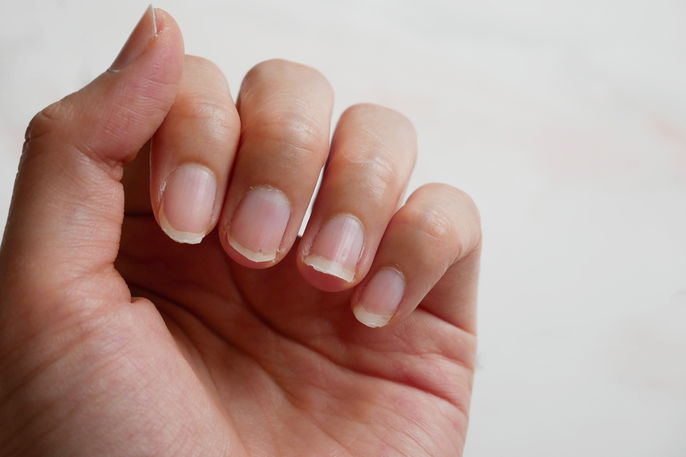
Tips for strengthening weak and brittle nails
Ways you can strenghten your nails include:
1. Use a moisturizing cream
Applying a high-quality hand and nail moisturizer helps hydrate and reinforce the nail plate, making your nails look healthier and more resilient. You can find specialized creams designed to treat brittleness at most local pharmacies and beauty supply stores.
Homemade moisturizing cream recipe
This DIY moisturizer is a natural way to nourish and strengthen your nails, hands, and cuticles.
Ingredients:
-
2 tablespoons of jojoba oil
-
1 tablespoon of cocoa butter
-
1 tablespoon of beeswax shavings
-
10 drops of sandalwood essential oil
-
5 drops of lemon essential oil
Preparation:
In a small saucepan, combine the jojoba oil, cocoa butter, and beeswax over low heat until fully melted. Remove from the heat and allow the mixture to cool slightly before stirring in the essential oils.
Transfer the mixture into a clean, lidded container and let it set completely. Apply this nourishing butter daily, specifically in the morning and before bed, for the best results.
2. Apply a nail strengthening base coat
To treat fragility, you can use fortifying base coats that provide essential nutrients directly to the nail surface. For maximum effectiveness, these products should be applied daily to clean, polish-free nails.
Look for formulas that feature vitamin B5 (pantothenic acid), minerals, and calcium to protect and harden the nail. Some strengtheners also include clove oil, which is helpful for those trying to quit nail-biting due to its strong scent and bitter taste.
3. Switch to acetone-free nail polish remover
Choosing an acetone-free remover is a vital step in nail recovery. Acetone is a harsh chemical that strips moisture from the nail, leaving it dry and significantly more prone to breaking.
4. Protect your hands with gloves
Wear rubber, latex, or silicone gloves whenever your hands will be in contact with water or cleaning supplies for extended periods. Frequent exposure to cleaning chemicals can strip the nails of natural oils and may lead to skin allergies.
5. Eat a balanced diet
A diet rich in nutrients like gelatin, dairy, eggs, leafy greens (such as kale and spinach), wheat germ, and lean proteins like liver can help build stronger nails. These foods provide the building blocks your body needs to produce healthy nail tissue.
Specifically, your body requires adequate levels of vitamin A, vitamin B5, iron, and calcium to synthesize keratin, the primary protein found in nails.
6. Avoid biting your nails
Constant nail-biting causes micro-traumas to the nail bed, which leads to thinning and peeling. This habit also increases the risk of developing painful fungal or bacterial infections around the cuticle.
To break the habit, keep your nails neatly trimmed and filed. You may also find success using specialized bitter-tasting polishes or, if the habit is related to stress, speaking with a healthcare professional or counselor.
7. Consider nutritional supplements
Taking supplements containing Biotin (Vitamin B7) or Collagen can help improve nail thickness and growth by supporting keratin production. These nutrients provide the structural support needed to reduce splitting and peeling.
Supplements containing the amino acid L-cysteine, along with calcium and B-complex vitamins, are also highly effective at stimulating healthy growth. These products are available over the counter, but you should always consult a dermatologist or nutritionist before starting a new regimen.
8. Limit the use of gel nails
Reducing how often you get gel manicures is a simple way to restore nail strength. The chemicals and UV exposure involved in gel applications can dehydrate the nail plate, leaving it thin and sensitive.
Furthermore, the removal process, which often involves scraping with a metal tool or long soaks in acetone, can physically damage the top layers of the nail, leading to long-term weakness.