


Learning how to stop your period involves using specific medications to delay the menstrual cycle before it begins. It is not possible to instantly halt bleeding once it has started, but hormonal methods can effectively prevent the cycle from occurring.
Medical experts generally agree that using birth control to skip a period is safe and does not damage future fertility. These methods work by keeping hormone levels steady, which stops the lining of the uterus from building up and shedding.
Permanent options like surgery exist for severe cases, while pills or devices offer a temporary way to manage menstruation. A doctor can provide necessary tests and advice to determine the safest and most effective approach for an individual's needs.
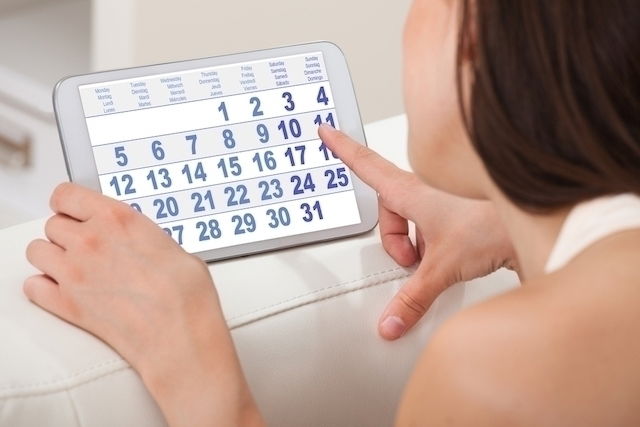
Is it safe to stop your period?
Yes, it is generally considered safe to stop or skip your period using hormonal birth control. According to recent clinical consensus from the American College of Obstetricians and Gynecologists (ACOG), withdrawal bleeds (the period you have on birth control) are not medically necessary.
Continuous or extended use of contraceptives does not cause a buildup of blood in the uterus and does not negatively impact future fertility. Studies indicate that skipping the hormone-free interval is safe and can help avoid period-related symptoms like headaches, cramps, and mood swings.
Therefore, you can adhere to a monthly period or choose to skip it for personal convenience or symptom management, provided you discuss the best method with your doctor.
Ways to stop your period
To stop or skip your period, you can:
1. Continuous or extended-dosing birth control
If you currently use combined hormonal contraception (specifically the pill, vaginal ring, or patch) you can effectively delay or skip your period by eliminating the standard hormone-free interval.
This method, often referred to as continuous or extended dosing, works by maintaining consistent levels of estrogen and progesterone to prevent the hormonal drop that triggers a withdrawal bleed.
To successfully skip a period using these methods, you must bypass the scheduled break week:
-
For the combination pill: Simply skip the row of placebo (sugar) pills at the end of your current pack and immediately begin the first active pill of a new pack.
-
For the contraceptive patch: Apply a fresh patch on Week 4 rather than observing the usual patch-free break week.
-
For the vaginal ring: Leave the ring in place for four full weeks (instead of the standard three), then remove it and immediately insert a new one.
By skipping the hormone-free break, the uterine lining remains stable, effectively stopping menstruation for that cycle. It is always recommended to consult your gynecologist before altering your prescription regimen to ensure safety and effectiveness.
2. Ethinyl estradiol-norethisterone pills
Ethinyl estradiol-norethisterone is a medication typically used to treat irregular uterine bleeding, but it is also highly effective for delaying a period under medical supervision. This medication works by maintaining high levels of progesterone and estrogen in the bloodstream, which prevents ovulation and delays the shedding of the uterine lining.
Taking ethinyl estradiol-norethisterone pills allows you to delay your period by several days. Once you stop taking the medication, your period will typically arrive two to three days later. After a few days of use, it is common to experience some spotting, which is a light shedding of the uterus and not a full period.
3. Hormonal IUDs
A hormonal IUD, like the Mirena, reduces the amount of blood lost during a period, and in some cases, it can stop bleeding altogether. This happens due to the hormone typically found in IUDs called levonorgestrel, which works very similarly to progesterone (a hormone produced by the ovaries). Levonorgestrel makes vaginal fluid thicker and changes the uterine lining, which will prevent pregnancy and stop a period.
4. Contraceptive injections
A contraceptive injection that contains progesterone can significantly reduce and even prevent menstrual the bleeding completely. These shots are usually administered every three months.
Injecting progesterone inhibits ovulation and it alters the uterine lining, which prevents pregnancy. Because this shot causes the body to maintain high progesterone levels, this method can also delay or stop a period.
5. Contraceptive implants
A contraceptive implant that is applied subdermally will continuously release progesterone, which causes the body to have high hormone levels. This will reduce menstrual bleeding and can also prevent a period.
A contraceptive implant stops ovulation and increases the thickness of vaginal fluid, making it harder for sperm to travel.
The contraceptive implant is a small flexible rod that a gynecologist places under the skin in the arm. It is effective for three years.
How to stop a period permanently
To permanently stop a period, you can have a surgical procedure to have your uterus removed, known as a hysterectomy. There is also a procedure that removes an internal part of the uterus, known as an endometrial ablation.
These procedures are permanent and therefore it’s important for a gynecologist to assess which method is best for you.
1. Hysterectomy
A hysterectomy is a surgery done to remove the uterus, which will stop your period, but also prevent you from getting pregnant.
This surgical procedure is usually done in serious situations like endometrial cancer or cervical cancer. This option should be discussed with a doctor, as it’s permanent and irreversible.
2. Endometrial Ablation
An endometrial ablation is usually indicated for women who have heavy periods. After this procedure, the quantity of blood either reduces significantly or the period will stop all together.
After doing the endometrial ablation, however, likelihood of pregnancy diminishes significantly, as the procedure destroys the internal part of the uterus. Therefore, it’s important to discuss this option with your doctor if you intend to conceive in the future.
Can you stop a period once it starts?
While it is not possible to stop a period instantly once bleeding has begun, there are medical methods to significantly reduce flow or shorten the duration of bleeding.
-
Non-Steroidal Anti-Inflammatory Drugs (NSAIDs): Medications like Ibuprofen or Naproxen can reduce menstrual blood flow by 10% to 32% when taken at safe doses. For example, Naproxen has been shown to reduce blood loss by roughly 22-32%.
-
Tranexamic Acid: This is a prescription medication designed to treat heavy menstrual bleeding. It can reduce blood loss by 26% to 60% and may help manage heavy flow more effectively than over-the-counter options.
Staying hydrated with 8-10 cups of water daily and engaging in light aerobic activity can help promote better circulation, potentially aiding the endometrial shedding process.
Can you stop your period before sex?
It is not possible to stop menstruation to have sex, unless you are taking birth control pills. In this case, you can take the pills continuously without a break, as this will delay menstruation. However, you should speak to your gynecologist first before continuously taking your birth control to ensure it is safe for you.