


To speed-up muscle strain recovery, your doctor may advise temporary rest, elevation of the affected area, cold compresses, or local compression. These methods can help relieve symptoms like pain and swelling, and speed up recovery.
A muscle strain happens when muscle fibers tear due to excessive or prolonged effort, or a sudden contraction. It’s more common in athletes or in those with poor posture. It can lead to intense pain, swelling, or muscle weakness.
Treatment should always be guided by an orthopedic doctor, depending on the severity and type of injury. Isometric or cardiovascular exercises and physical therapy may also be recommended to support recovery.
Main treatment options
Some ways to speed-up recovery time from a muscle strain include:
1. Protecting the injured area
Resting and limiting movement of the affected area helps reduce local bleeding and prevents the injury from getting worse. Rest also relieves pain and discomfort that can occur when moving. However, rest should last no more than 1 to 3 days unless advised by a doctor, as extended inactivity can lead to muscle weakness.
2. Elevating the limb
Raising the injured limb above heart level helps stimulate blood flow, support lymphatic drainage, and reduce swelling while promoting relaxation. If the strain affects the leg, it can be elevated by lying down and propping it on pillows or the bed’s headboard.
3. Cold compresses
Applying cold compresses to the affected muscle helps reduce pain, swelling, and inflammation. They are most effective when applied immediately after the injury and up to 48 hours later.
To make a cold compress, place ice in a thermal bag or use a gel pack cooled in the freezer. Wrap the ice or gel pack in a clean, dry towel and apply it to the area for 15 to 20 minutes, 3 to 4 times a day.
4. Avoiding anti-inflammatory medications
While anti-inflammatory medications may be prescribed in some cases, they are generally discouraged for muscle strain because they can interfere with the healing process of muscles and tendons, and increase the risk of tissue fibrosis.
Anti-inflammatories should only be used if recommended by a doctor after assessing the type, degree, and severity of the injury.
5. Local compression
Local compression may be advised by a doctor and is typically done using an elastic bandage or wrap to reduce swelling and internal bleeding. Care must be taken not to wrap too tightly, as this can impair circulation. If pain worsens or tingling develops, the wrap should be loosened.
6. Isometric exercises
Isometric exercises involve contracting the muscle without moving the joint. They help strengthen the muscle and support tissue repair without increasing pain. As symptoms improve, resistance bands and weights can be introduced. The final phase of rehabilitation should include joint stabilization exercises like proprioception training.
These exercises should be performed under the guidance of a physical therapist and are usually recommended early in recovery, depending on the symptoms and severity of the strain.
7. Cardiovascular exercises
Cardiovascular exercises may be recommended once the acute phase has passed and there is no pain. These exercises help improve blood flow to the muscle, which can speed up recovery. Aerobic exercises are the most commonly prescribed and should be guided by a doctor or physical therapist.
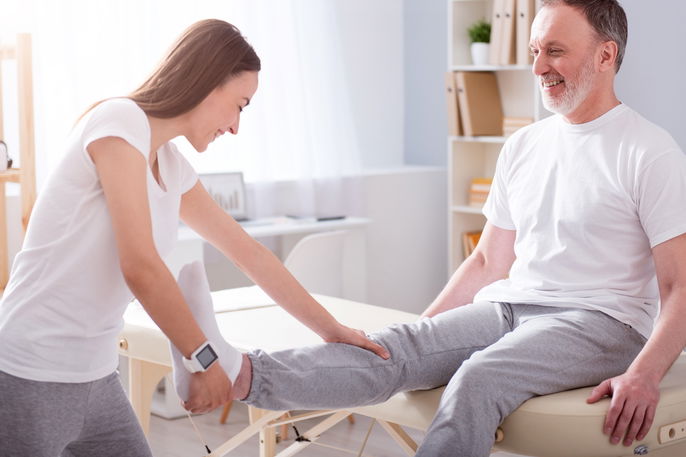
8. Physical therapy
Physical therapy sessions should be done daily or every other day to support recovery from muscle strain. Treatment plans should be tailored by the physical therapist after evaluating the condition and reviewing the doctor’s recommendations and test results.
Depending on the need, therapy may include cold or heat compresses and the use of therapeutic devices like TENS, ultrasound, or laser therapy to reduce pain and inflammation and promote healing.
9. Surgery for muscle strain
Surgery is rarely needed for muscle strain, as most injuries heal fully with conservative treatment and physical therapy. Surgery is typically reserved for high-level athletes who suffer a strain shortly before an important, non-postponable competition.
Home remedies for muscle strain
To complement medical and physical therapy treatment, warm compresses may be applied to the affected area starting 48 hours after the injury, twice a day. Physical exertion should also be avoided.
How long recovery takes
Muscle strain recovery time can range from 2 weeks to 6 months, depending on the severity of the strain:
-
Grade 1: about 2 weeks
-
Grade 2: about 8 to 10 weeks
-
Grade 3: 6 months to 1 year
The more committed a person is to treatment, the better the results. Following all medical and physical therapy instructions is key to a full recovery.
In all cases, healing follows the same general phases. The initial phase is marked by inflammation and lasts around 6 days. This is followed by the subacute phase, when inflammation decreases and tissue repair begins, lasting up to 6 weeks.
During the maturation and remodeling phase, pain typically disappears, but movement may still be limited. This stage can last from 6 months to 1 year.
Signs of improvement
Signs that the injury is improving include reduced swelling, decreased pain, and less bruising. When the affected area can be moved with less pain and light muscle contraction is possible, it may indicate the strain is healing.
Signs of overtraining
Signs that the treatment may be too intense and interfering with recovery include:
-
Pain that persists longer than 4 hours after physical therapy or doesn’t resolve within 24 hours
-
Pain starting earlier than in the previous session
-
Increased stiffness or reduced range of motion
-
Swelling, pain, or warmth in the affected area after exercise
-
Muscle weakness that begins after starting physical therapy
It’s normal to feel sore after physical therapy, similar to soreness after working out, and this usually lasts about 4 hours. However, if the above symptoms occur, the intensity of the exercises should be reduced.
Possible complications
Complications from a muscle strain can include:
-
Delayed healing
-
Persistent pain
-
Decreased strength and range of motion
For this reason, muscle strain treatment should always follow the guidance of an orthopedic doctor and a physical therapist.