


Hot stone massage is a specialized therapeutic technique used to support the treatment of various health conditions. It is particularly effective for reducing stress and anxiety, improving sleep quality, and relieving muscle tension.
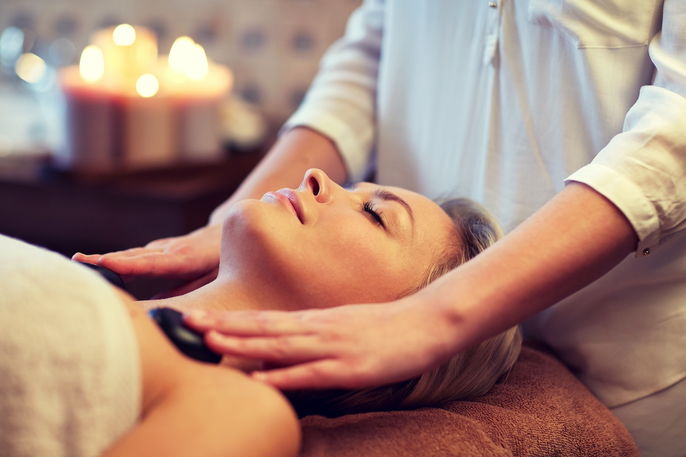
This therapy is performed by licensed physical therapists or trained massage specialists who use heated basalt stones. These volcanic rocks are placed on strategic points of the body, including the back, chest, stomach, and extremities.
While hot stone massage offers significant physical and mental benefits, it is considered a complementary or alternative treatment. It should be used alongside, rather than as a replacement for, medical care and prescribed medications.
Main benefits
The primary benefits associated with hot stone massage include:
1. Improves blood circulation
Hot stone massage helps enhance blood flow because the heat from the stones is transferred directly to the skin. This heat causes blood vessels to dilate, increasing circulation in the targeted area to promote relaxation and pain relief.
Additionally, the manual massage techniques used by the therapist before placing the stones further stimulate the circulatory system. This process supports overall cardiovascular health and efficiency.
2. Relieves muscle pain
By increasing blood flow to specific areas, hot stone massage helps reduce muscle inflammation and relax tight tissues. This process is effective for alleviating muscle spasms, general soreness, and chronic tension.
Consequently, this therapy can be a helpful tool for managing back pain or joint discomfort associated with conditions like osteoarthritis.
3. Helps reduce stress
Scientific research indicates that massage therapies, including hot stone treatments, are effective at reducing stress and anxiety. The combination of heat and pressure promotes deep physical relaxation and eases mental tension.
Furthermore, hot stone massage helps lower the body's cortisol levels. High levels of this stress hormone can keep the body in a constant state of fight or flight, leading to chronic exhaustion.
4. Improves sleep quality
Hot stone massage is often used to combat insomnia and improve overall sleep hygiene. By inducing a state of deep relaxation, it helps the body fall asleep faster and achieve more restorative, deep sleep cycles.
5. Promotes intense relaxation
This therapy allows for a deeper level of relaxation than traditional massage because the heat penetrates the deep muscle fibers. This allows the therapist to address deep seated tension effectively without needing to apply excessive or painful pressure.
6. Assists in the treatment of depression
Hot stone massage can be a supportive element in depression treatment by stimulating the release of endorphins and serotonin. These neurochemicals play a vital role in regulating mood, increasing feelings of happiness, and managing anxiety.
7. Relieves headaches
By relaxing the muscles in the neck and shoulders, hot stone massage can help alleviate tension headaches and migraines. Reducing physical tightness often directly correlates with a reduction in headache frequency and intensity.
Additionally, the massage triggers the body's natural pain relief system. The release of endorphins provides an analgesic effect similar to certain pain medications, helping to naturally dull headache pain.
8. Promotes lymphatic drainage
The heat from the stones can stimulate the lymphatic system and increase perspiration. This process assists the body in flushing out metabolic waste and toxins more efficiently.
9. Increases the sense of well being
The practice encourages a consistent release of endorphins throughout the session. These feel good chemicals are essential for maintaining a positive mental state and a general sense of well being.
10. Assists in the treatment of fibromyalgia
Hot stone massage may be beneficial for those living with fibromyalgia, a condition characterized by widespread chronic pain. The therapy can help improve sleep and reduce localized discomfort.
Research suggests this type of massage may lower levels of Substance P, a neurotransmitter involved in transmitting pain signals. While many patients report fewer trigger points and better quality of life, further clinical studies are ongoing to confirm these specific effects.
11. Fortifies the immune system
By reducing emotional stress and boosting endorphin levels, hot stone massage may help strengthen the immune response. Chronic stress and depression are known to weaken the immune system, making the body more susceptible to illness.
12. Improves concentration
Because it addresses insomnia and improves sleep quality, hot stone massage naturally leads to higher energy levels during the day. Better rest results in improved focus, mental clarity, and productivity.
The release of endorphins also plays a role in cognitive function. By fostering a sense of calm and well being, the therapy makes it easier for the brain to process external stimuli, improving both memory and attention span.
How to perform a hot stone massage
To perform a hot stone massage properly, follow these steps:
-
Place 5 or 6 smooth basalt stones in a pot of water.
-
Heat the water until the stones reach a temperature between 104°F and 122°F, using a thermometer to ensure accuracy.
-
Carefully hold a stone in your hand first to verify the heat level is comfortable.
-
Apply a base of sweet almond oil to the skin to facilitate movement.
-
Place a clean, dry towel or flannel cloth over the skin before setting the stones down to prevent direct contact and avoid burns.
-
Position the stones on key acupressure points, such as the back, arms, collarbone, feet, hands, or forehead, for approximately 10 minutes.
-
Use the stones to perform light, rhythmic massage strokes over the areas where they were placed.
While it is possible to use hot stones at home in a quiet, relaxing environment, it is highly recommended to seek a trained professional. This ensures the best therapeutic results and minimizes the risk of accidental skin burns.
Possible risks
While generally safe, hot stone massage carries potential risks if not performed correctly. Side effects can include skin burns, bruising, localized pain, or increased sensitivity to heat. In rare cases of poor hygiene or skin breakage, infections may occur.
Who should avoid it
Hot stone massage is contraindicated for individuals with the following conditions:
-
Pregnancy.
-
Asthma or chronic bronchitis.
-
Acute cystitis or other acute infections.
-
Open wounds, skin inflammation, or active infections.
-
Skin conditions like eczema or active rashes.
-
Abdominal hernias.
-
Recent bone fractures or advanced osteoporosis.
-
Recent surgeries, performed within the last 6 weeks.
-
Current use of anticoagulant medications, such as blood thinners.
-
Blood clotting disorders or active bleeding or hemorrhaging.
-
Existing sunburns or skin burns.
-
Diabetes, due to potential neuropathy or loss of heat sensation.
Individuals currently undergoing cancer treatments, such as chemotherapy or radiation, should also avoid hot stone massage unless specifically cleared by their oncologist.