


Abnormal vaginal discharge can be linked to infections such as yeast infections, bacterial vaginosis, or trichomoniasis. In addition to medical treatment, some home remedies for discharge may help ease discomfort and support vaginal health.
Options like sitz baths with guava leaf tea, garlic tea, coconut oil, or chamomile tea are traditionally used for their antibacterial, antifungal, or soothing properties. Other remedies such as yogurt, apple cider vinegar, and baking soda baths may also help restore balance to the vaginal flora and reduce unpleasant symptoms.
These home remedies for discharge should be seen as supportive measures and not as a substitute for professional medical care. It is important to seek medical advice to identify the cause of the discharge and receive appropriate treatment.
How to get rid of vaginal discharge
Some ways to treat vaginal discharge with home remedies include:
1. Guava sitz bath
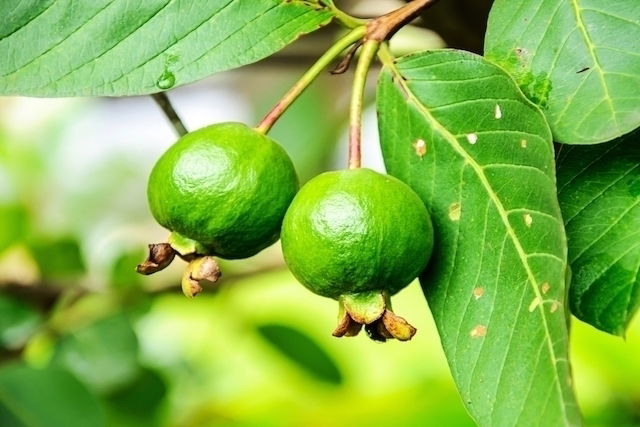
Guava leaves, known scientifically as Psidium guajava L, are a great home remedy to stop yellow-greenish vaginal discharge with a bad odor, or milky white, cottage cheese-like discharge. Read more about the benefits of guava and how it can be used.
Ingredients
- 30 g guava leaves
- 1 liter (about 33 oz) of water
How to prepare
Heat the water up until it boils, then turn off the stove. Add the leaves and allow to soak for 3 to 5 minutes. Then strain and take a sitz bath with this tea, carefully washing all the genital area. Repeat this procedure 2 to 3 times a day.
A guava leaf sitz bath is effective in treating vaginal discharge caused by Trichomoniasis which causes bacterial infections, and Candidiasis cells that causes yeast infections. This home remedy is safe and does not have any associated side effects. Learn more about what causes yeast infections and how they can be treated.
Also recommended: Bacterial Vaginosis Treatment: Medications, Home Remedies & FAQ tuasaude.com/en/bacterial-vaginosis-treatment2. Garlic tea
Garlic has excellent antibacterial, antifungal, and antiviral properties that can be used to treat yeast infections and bacterial vaginosis.
Ingredients
- 1 clove of garlic
- 1 cup of boiling water
How to prepare
Crush or chop the garlic and add to the boiling water. Boil for 5 to 10 minutes. Then remove from heat and drink, while warm, twice a day. To improve the taste, you can add grated ginger, lemon drops or 1 teaspoons of honey.
3. Plain yogurt
Plain yogurt contains probiotics such as Lactobacillus, which help maintain the balance of vaginal flora and may relieve abnormal discharge.
How to use: Plain yogurt can be eaten regularly as part of a healthy diet to help prevent infections and keep vaginal pH balanced.
4. Coconut oil
Coconut oil contains fatty acids like lauric acid, which may help reduce the growth of Candida species.
It can be used to complement medical treatment for discharge caused by yeast infections.
How to use: Apply coconut oil to the external vulvar area after washing thoroughly with water and mild soap. Apply a thin layer of pure coconut oil or mix with 2 drops of tea tree oil. Allow the skin to dry completely before dressing.
5. Tea tree oil
Tea tree oil contains antibacterial and antifungal properties that can be used to treat bacterial vaginitis, trichomoniasis and yeast infections. Read more about the heath benefits of tea tree oil and how it can be used.
How to use: To use tea tree oil, mix 1 tablespoon with sweet almond or coconut oil. Soak a baby wipe or piece of gauze in this mixture and apply to the external vagina. This can be used to relieve symptoms.
Also recommended: Discharge Color Meaning: Color Chart w/ Causes & Symptoms tuasaude.com/en/vaginal-discharge6. Apple cider vinegar
Apple cider vinegar has antimicrobial properties that may help slow the growth of fungi and bacteria linked to abnormal vaginal discharge.
Ingredients:
-
1 tablespoon of apple cider vinegar
-
500 mL of warm water
How to prepare:
Dilute the vinegar in the warm water and mix well. Gently rinse the external vulvar area, avoiding internal application. After rinsing, dry thoroughly with a clean, soft towel.
7. Sitz bath with baking soda
A baking soda sitz bath may help normalize vaginal discharge and relieve symptoms of infections like yeast infections.
Ingredients:
-
6 to 12 g of baking soda
-
1 liter of warm water
How to prepare:
Dissolve the baking soda in the warm water, stirring until completely mixed. Pour the solution into a basin and sit in it for 15 to 20 minutes after cleaning the genital area.
This sitz bath can be done 2 to 3 times per day for at least two weeks to help improve symptoms.
8. Chamomile tea
Chamomile tea has mild antifungal properties that may help ease symptoms of vaginal yeast infections, including discharge.
Ingredients:
-
2 tablespoons of dried chamomile flowers
-
1 liter of water
How to prepare:
Boil ½ liter of water, turn off the heat, and add the chamomile flowers. Cover and steep for 5 minutes. Strain and add the remaining warm water. Pour the mixture into a clean basin and sit for 10 to 15 minutes, making sure the intimate area is in contact with the tea.
This sitz bath can be done once a day until symptoms improve.
Foods that help with vaginal discharge
The sitz bath along with a healthy diet can help in the treatment of vaginal discharge. You should avoid processed foods as much as possible and eat foods such as fruits, vegetables, natural yogurt, chicory, cabbage, lemon, melon or pomegranate, for example.
Also recommended: Candida Diet: Food to Eat & Avoid With a Yeast Infection tuasaude.com/en/candida-dietThese types of foods alter the pH level in your blood and genital area, promoting the restoration of normal vaginal flora. However, if the discharge continues for more than 3 days, even with home treatments, a pap smear and swab tests are recommended.