


A 24-hour Holter monitor test is an exam that evaluates heart rhythm and heart rate. It may be recommended when symptoms such as recurring dizziness, chest pain, palpitations, or shortness of breath suggest possible heart changes.
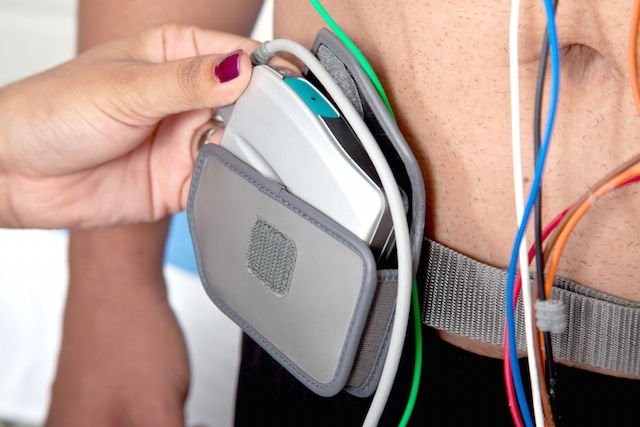
This test is usually done over 24 hours, but it may also be done for 48 or 72 hours, depending on the doctor’s recommendation. It uses a battery-powered device connected to electrodes placed on the chest to record the heart’s activity.
The information is stored on the device so the doctor can review the heart’s activity later. A 24-hour Holter monitor test may be covered by health insurance when requested by a cardiologist.
What it is for
A 24-hour Holter monitor test is used to check for changes in heart rhythm and heart rate over a 24-hour period. It can be very helpful for diagnosing heart problems, such as arrhythmias, cardiac ischemia, or atrial fibrillation.
When it is indicated
A 24-hour Holter monitor test may be recommended in the following situations:
-
Palpitations;
-
Slow heartbeat;
-
Dizziness or fainting;
-
Weakness or excessive tiredness;
-
Chest pain;
-
Fluttering sensation in the heart;
-
Irregular heartbeat;
-
Sensation of skipped heartbeats.
In addition, the doctor may order a 24-hour Holter monitor test to monitor a cardiac pacemaker, or to complement other heart tests, such as an electrocardiogram.
How to prepare for the test
To prepare for a 24-hour Holter monitor test, some precautions are important, such as showering before the test, since it is not possible to shower while wearing the device. It is also important not to apply creams, moisturizers, or ointments to the chest area.
In some cases, the chest area may need to be shaved with a razor before the test so that the electrodes attach properly to the skin.
Another important recommendation is to continue taking any usual medications as normal.
How the test is done
A 24-hour Holter monitor test is done by placing 4 to 8 electrodes on the skin of the chest with an adhesive gel. These electrodes are connected to a device worn at the waist, which records the information transmitted by the electrodes.
During the test, normal daily activities should be continued, except showering, because the goal of the test is to detect changes in heart rhythm and heart rate during regular daily activities. In addition, any symptoms or changes felt during the day, such as palpitations, chest pain, or dizziness, should be written down in a diary.
After 24 hours, the device is removed and the cardiologist reviews the data recorded by the equipment.
Care during the test
Some precautions are important while wearing the 24-hour Holter monitor device to avoid interfering with the results:
-
Do not shower or enter a swimming pool. Instead, use wet wipes or a damp towel with soap to clean the groin area, armpits, face, or buttocks;
-
Carry out daily activities as usual, including physical activity, except for activities that cause excessive sweating or could get the device wet;
-
Avoid drinking alcohol or beverages that contain caffeine, such as coffee, soda, or green tea;
-
Check that the electrodes remain properly attached, as a loose electrode can affect the test result;
-
Avoid high-voltage areas or magnetic fields, such as magnetic mattresses or pillows, because they can interfere with the results;
-
Avoid having MRI scans or going through metal detectors;
-
Avoid using electronic devices such as electric toothbrushes, razors, microwaves, and cell phones.
In addition, daily activities and other relevant information should be written down, such as symptoms, activity times, foods and drinks consumed, stress level, and any other information the doctor may request.
After the 24-hour Holter monitor test, the patient should return to the doctor’s office to have the device removed and should bring the record of daily activities and symptoms.
24-hour Holter monitor results
The result of a 24-hour Holter monitor test is provided by the cardiologist after reviewing the device recordings, such as heart rhythm, heart rate, and the total number of heartbeats, along with information about daily activities. This can help determine whether there is a heart problem or whether any medication already being taken is working as expected.
However, in some cases, the heart rhythm may be normal, and other types of tests may be needed, such as a wireless Holter monitor or an electrocardiographic event monitor, which can be used for longer than a 24-hour Holter monitor.
It is important to note that the result of a 24-hour Holter monitor test should always be interpreted by the cardiologist who provides regular care.