HIIT workouts, also known as High Intensity Interval Training, are designed to speed up metabolism and promote fat burning, while also improving overall physical conditioning.
These workouts can deliver more results in less training time because the exercises are performed at high intensity.
It’s important to do HIIT workouts under the guidance of a certified fitness professional to reduce the risk of injury. Following a diet that supports your fitness goals is also essential for achieving better results and benefits.
Benefits of HIIT workouts
The main benefits of HIIT workouts include:
Boosting metabolism
Supporting fat burning and reducing body fat percentage
Improving physical conditioning
Enhancing cardiorespiratory capacity
Helping regulate blood pressure
Increasing oxygen uptake
Like other forms of physical activity, HIIT workouts also promote a sense of well-being, increase energy levels, improve muscular endurance, reduce stress and anxiety, and strengthen the immune system.
To experience these benefits, it’s important to respect both the active and rest periods and to perform HIIT workouts at least twice a week.
How to do HIIT workouts
The structure of HIIT workouts can vary depending on your fitness goals, which means the number of sets, exercise duration, and rest time can differ. In general, the step-by-step process is as follows:
Perform the exercise at high intensity for 30 seconds to 1 minute
Rest for the same amount of time, either passively (standing still) or actively (performing the same movement at a lower intensity)
After resting, repeat the exercise at high intensity
Continue the exercise and rest cycle until completing the duration recommended by your fitness professional
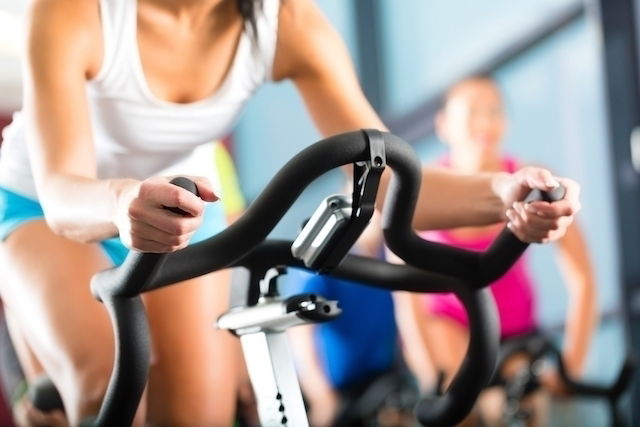
HIIT workouts should be performed under professional supervision to ensure you work within the correct heart rate range, typically between 80% and 90% of your maximum heart rate. This forces the body to take in more oxygen to sustain the activity, increasing metabolism. Although commonly used in aerobic training like running or cycling, HIIT workouts can also be applied to anaerobic exercises, such as weight training.
They can also be incorporated into functional training, which engages multiple muscle groups at once at higher intensities to improve overall conditioning. Another type of workout that uses HIIT principles is CrossFit, where exercises are performed at high intensity with alternating activity and rest periods to improve cardiorespiratory fitness and conditioning.
HIIT workouts at home
Although HIIT workouts are often done in gyms, they can also be performed at home when guided by a qualified fitness professional, which helps lower the risk of injury.
At home, it’s best to choose exercises that use your own body weight, such as squats, burpees, jumping jacks, and high-knee running in place. For results, it’s important to maintain high intensity and follow the activity and rest times. Examples of exercises for HIIT workouts at home include:
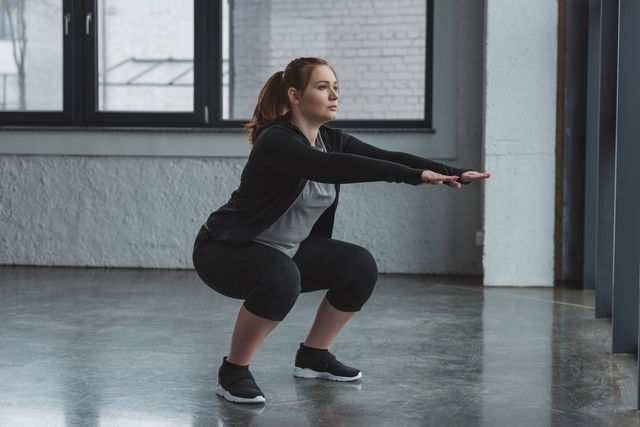
1. Squat
The squat is a simple exercise that can easily be done at home at high intensity. To perform it correctly, stand with your feet shoulder-width apart, toes pointing forward, and lower your hips as if sitting in a chair.
To increase intensity, perform as many repetitions as possible within 30 seconds, rest for the same amount of time, then repeat, aiming to match your previous rep count.
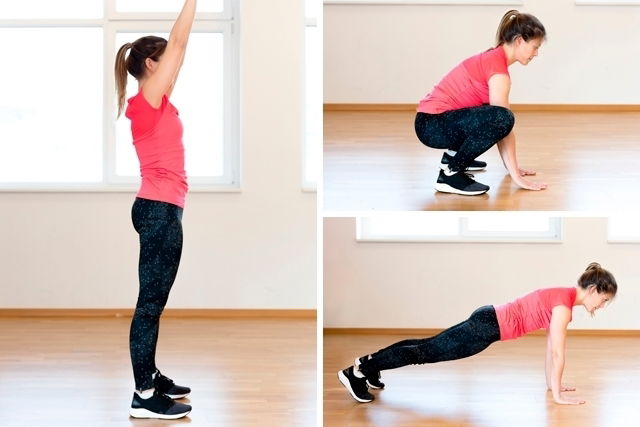
2. Burpee
The burpee is a full-body exercise that requires no equipment. It involves quickly moving from a standing position to the floor and back up, paying attention to proper form to avoid injury. Perform for 30 seconds to 1 minute, rest for the same duration, then repeat.
To do a burpee, start standing, lower your body to place your hands on the floor, jump your feet back into a plank position, return to standing, then jump with your arms extended overhead. Keep movements quick and continuous without sacrificing form.
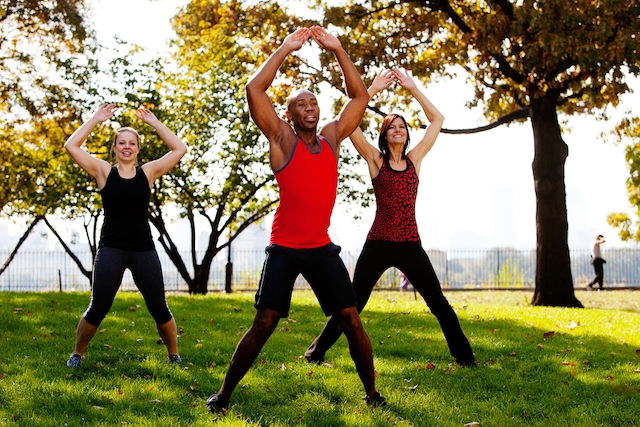
3. Jumping jacks
Jumping jacks help increase heart rate and are a great addition to HIIT workouts. Start standing with feet together and arms at your sides, then jump while spreading your legs and raising your arms overhead. Return to the starting position and repeat continuously.
4. High-knee running in place
Running in place can be a substitute for outdoor or treadmill running when space is limited. Simply stand in place and mimic running movements without moving forward. Lift your knees high to increase intensity, boost heart rate, improve oxygen uptake, and speed up metabolism.
Perform this exercise for 30 seconds to 1 minute at a steady pace, rest for the same amount of time, then repeat.
Share
Update History
We regularly update our content with the latest scientific information to maintain an exceptional level of quality.
Rivera, Fernando . HIIT, aplicaciones prácticas. España: ; 2016.
GÓMEZ, Pedro; SÁNCHEZ, Marta. Entrenamientos de intervalos de alta intensidad (HIIT) en adultos mayores: una revisión sistemática. revista de ciencias del ejercicio y salud. 2019;17.Vol(1.ed):1-21.