


A high platelet count can occur after intense physical activity, during pregnancy or labor, or with certain medications. In some cases, it may also be linked to health conditions such as anemia, lymphoma, rheumatoid arthritis, infections, or inflammatory diseases.
Most people with a high platelet count do not have symptoms, and it is often discovered during a routine blood test. It is generally defined as a platelet level above 450,000 platelets per microliter of blood, a condition known as thrombocytosis.
Although it may not cause symptoms at first, a high platelet count can increase the risk of blood clots or abnormal bleeding in some cases. Diagnosis is confirmed with a complete blood count (CBC), and treatment may include medications such as aspirin or hydroxyurea, or procedures like therapeutic thrombocytapheresis when levels are dangerously high.
Main symptoms
Symptoms of a high platelet count may include:
-
Fatigue;
-
Insomnia;
-
Headache;
-
Dizziness;
-
Tingling in the hands and feet;
However, it’s important to note that a high platelet count usually only causes symptoms if it leads to blood clots or abnormal bleeding.
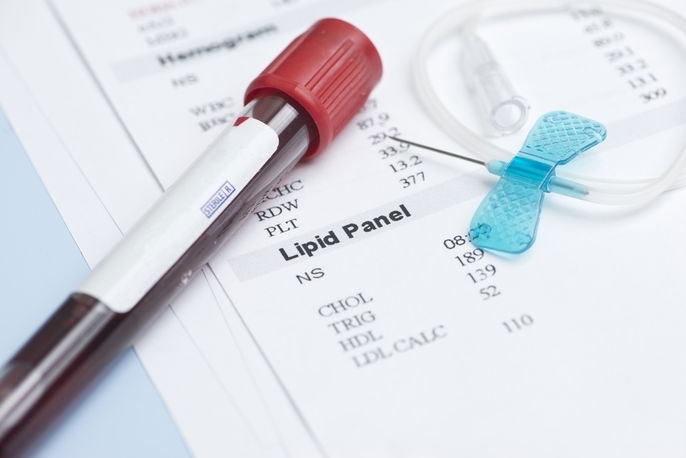
A complete blood count (CBC) is the best way to confirm thrombocytosis, or a high platelet count. According to the CDC, a CBC is designed to count platelets (along with red and white blood cells) as part of a routine blood test used to evaluate overall health.
Possible causes
The main causes of a high platelet count are:
-
Infections caused by viruses or bacteria;
-
Bleeding (hemorrhage);
-
Anemia;
-
Cancer;
-
Allergic reactions;
-
Very intense physical activity;
-
Splenectomy, which is surgical removal of the spleen;
-
Inflammatory diseases, such as rheumatoid arthritis, inflammatory bowel disease, or sarcoidosis.
Platelets can also be high during pregnancy or labor, or with the use of medications such as aztreonam, ceftazidime, ibuprofen, epinephrine, or glucocorticoids.
Reference range
Normal platelet counts range from 150,000 to 450,000 platelets per microliter (mm³) of blood.
According to the National Heart, Lung, and Blood Institute (NHLBI), a high platelet count is more than 450,000 platelets per microliter of blood.
Treatment options
Depending on the platelet count, symptoms, and overall health, a primary care provider or hematologist may recommend medications such as aspirin (acetylsalicylic acid) to lower thrombosis risk (blood clots) or hydroxyurea to reduce blood cell production in the bone marrow.
If the platelet count is extremely high and puts the person’s life at risk due to a very high risk of clot formation, therapeutic thrombocytapheresis may be recommended. This procedure removes excess platelets from the blood to help bring circulating platelet levels down.