


High carb foods, such as bread, rice, sweet potato and pasta, are the body’s main source of energy. They provide the fuel needed for essential functions like breathing, brain activity and muscle movement, especially during physical exertion.
Complex carbohydrates, found in whole grains, legumes, vegetables and fruits, offer more than just energy. They are rich in fiber, vitamins and minerals, which support digestive health, regulate blood sugar levels and promote satiety throughout the day.
While carbohydrates are vital for overall health, excessive intake (particularly from refined sources) can lead to fat accumulation and weight gain. Choosing high-quality, fiber-rich carbs helps maintain a balanced diet and supports long-term metabolic health.
List of high carb foods
The following table outlines the amount of carbohydrates per 100 g of different whole grains and legumes, now including their glycemic index and a health note for better understanding:
Consuming carbohydrates prior to exercising helps to improve performance, as this nutrient provides the body with the necessary energy to work out.
High-carb fruits
The following table outlines the amount of carbohydrates per 100 g of different fruits:
Some fruits, like blackberries, cherry and rose apples are low in carbohydrates, and are recommended for low carb diets. Low carb diets are aimed at reducing overall carbohydrate intake.
High-carb vegetables
The following table outlines the amount of carbohydrates per 100 g of different vegetables:
There are many other foods that contain carbohydrates, but with generally lower carb contents, like milk, yogurt, butter and cheese. Learn more about a low carb diet and the benefits associated with it.
What are carbs?
Carbohydrates (also known as glycides or sugars) are molecules made up of carbon, hydrogen and oxygen. They are the body’s preferred energy source, as they are quickly digested and converted into glucose. This glucose fuels vital functions like brain activity and muscle movement, and may also influence mood after consumption. When not used, excess carbohydrates are stored as fat.
All vegetables contain carbohydrates, and honey is the only animal-derived food that provides carbs. While recommendations can vary, carbohydrates should generally account for no more than 60% of total daily calorie intake.
Types of carbohydrates
There are two main types of carbohydrates: simple and complex.
-
Simple carbohydrates are digested quickly and tend to have a high glycemic index. They are typically found in sweet or processed foods such as refined sugar, honey, French bread, fruit jams, watermelon, raisins, cereals, white rice, cooked pasta, popcorn and sodas. Because they are absorbed rapidly, they cause quick spikes in blood sugar and can lead to hunger soon after eating. This makes them less ideal for people managing weight or blood sugar levels.
-
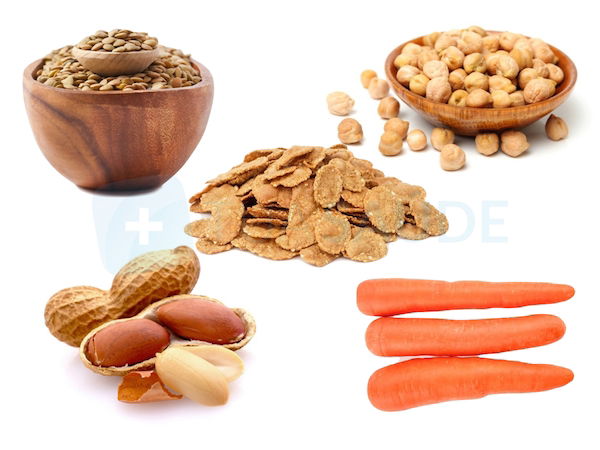
Complex carbohydrates take longer to digest and provide a steadier source of energy. They are found in whole-grain pasta and rice, whole grain cereal, lentils, chickpeas, carrots, and peanuts. These foods are typically high in fiber, vitamins (especially B vitamins), iron and other minerals, and have a lower glycemic index.
The lower glycemic index in complex carbs help to regulate blood sugar levels and promote satiety.
Good vs. bad carbs
Carbohydrates can also be categorized by their nutritional quality.
-
Good carbs are minimally processed, rich in fiber, and packed with nutrients. Examples include fruits, vegetables, whole grains, legumes and nuts. These foods usually have a low glycemic index (≤55) and contribute to balanced blood sugar, digestive health and long-term disease prevention.
-
Bad carbs are often refined or processed, stripped of fiber and nutrients, and high in added sugars. Foods like white bread, sugary drinks, pastries and candy fall into this category. They typically have a high glycemic index (≥70), cause blood sugar spikes.
Bad carbs will typically offer limited nutritional value.
Recommended daily carbs
Carbohydrate needs vary by age, activity level and health status. General recommendations include:
-
45–65% of daily calories from carbs
-
130 g/day minimum for adults and children ≥1 year
-
25–38 g of fiber daily
-
Less than 10% of daily energy from added sugars
Quality matters more than quantity, therefore carbs from whole grains, fruits, vegetables and legumes are preferred.
Benefits of high-carb foods
Carbohydrates are the body’s main energy source and support vital functions such as brain and muscle activity. High-quality carbs are linked to:
-
Lower cardiovascular risk: Diets rich in whole grains and fiber can reduce heart disease mortality by up to 23%.
-
Cancer prevention: High-fiber intake, especially from fruits and cereals, is associated with a lower risk of colorectal cancer.
-
Healthy aging: Older adults consuming quality carbs have a higher chance of maintaining cognitive and physical health.
-
Gut health: Dietary fiber improves gut microbiota and reduces inflammation.
Complex carbs also provide sustained energy, stabilize blood glucose levels, and prevent fatigue.
Carbs and blood sugar
Carbohydrates are broken down into glucose, which enters the bloodstream and triggers the release of insulin. Insulin allows cells to absorb and use this sugar for energy. The speed and magnitude of this response depend on the type and quality of the carbohydrate consumed.
Simple carbohydrates are digested quickly and tend to cause rapid spikes in blood sugar, which may lead to energy crashes and increased hunger. In contrast, complex carbohydrates are absorbed more slowly due to their fiber content, resulting in more stable and sustained blood glucose levels.
Consistently consuming high glycemic index (GI) foods, such as white bread or instant mashed potatoes, has been linked to an increased risk of type 2 diabetes. On the other hand, diets rich in fiber—especially from whole grains and legumes—help regulate insulin sensitivity, minimize blood sugar spikes, and offer protection against diabetes.
Carbohydrates and weight gain
Carbohydrates, especially simple ones, are a fast source of energy, as they are quickly digested in the stomach and absorbed in the intestines. When consumed, they release large amounts of sugar into the bloodstream, which is then used by the body to support vital functions and daily activities.
However, the body does not always use all the sugar that is released, especially in people who are not physically active. The unused sugar is stored in fat cells, which can lead to weight gain.
How fiber can help prevent excess weight
Fiber is a type of carbohydrate that is not digested by the body. Because of this, it slows down digestion and helps reduce the speed at which sugar is released into the bloodstream. Choosing carbohydrate-rich foods that also contain fiber is a good way to support satiety, limit blood sugar spikes, and prevent fat accumulation.
How to use carbs to gain muscle mass
To gain muscle mass, it is recommended to consume complex carbohydrate sources throughout the day and before working out, as they provide the energy needed for physical activity.
In addition, within 1 hour after exercising, it is also recommended to eat a protein-rich food, such as yogurt or cheese, to support muscle growth.
For best results, it is ideal to consult a registered dietitian who can create a nutrition plan tailored to your individual needs.