


The hepatitis B vaccine is recommended to protect against infection from all known subtypes of the hepatitis B virus in both adults and children. It works by stimulating the body to produce antibodies against the virus and is included in the standard childhood immunization schedule.
Unvaccinated adults can also receive the hepatitis B vaccine. It is especially recommended for healthcare workers, people with hepatitis C, individuals with alcohol use disorder, or those with other liver conditions.
The hepatitis B vaccine is available at hospitals, public health centers, and private vaccination clinics.
What it is for
The hepatitis B vaccine helps prevent infection from all hepatitis B virus serotypes. The virus can be spread through blood, bodily fluids, contaminated materials, or from mother to baby during childbirth or breastfeeding.
Hepatitis B is a contagious disease that can cause liver inflammation and lead to symptoms such as fever, nausea, vomiting, joint pain, or yellowing of the skin and eyes.
When to take it
The hepatitis B vaccine can be given to anyone and is especially recommended in the following situations:
-
Newborns, both full-term and premature, within the first 12 hours after birth
-
Healthcare workers
-
People who frequently receive blood products
-
Workers or residents in institutions
-
People at higher risk due to sexual behavior
-
People who inject drugs
-
Residents of or travelers to areas where hepatitis B is common
-
People with sickle cell anemia or awaiting organ transplants
-
People in contact with patients with acute or chronic hepatitis B infection
-
People with chronic liver disease
Even those not considered at risk can receive the hepatitis B vaccine.
Hepatitis B vaccine doses
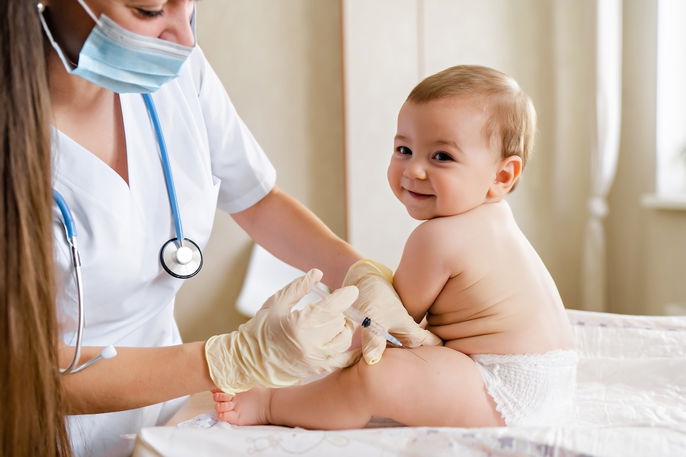
The hepatitis B vaccine is injected into the deltoid muscle in the arm or into the thigh muscle in children. In people at high risk of bleeding, the vaccine can also be given under the skin.
Vaccination schedule
Babies may be put on a 4-dose schedule when combination vaccines are used, such as Pediarix or Vaxelis, which also protect against diphtheria, tetanus, whooping cough, polio, and Haemophilus influenzae type b.
For babies born to mothers with hepatitis B, it is also recommended to administer hepatitis B immune globulin (HBIG) as soon as possible, ideally within 12 hours of birth.
Hepatitis B vaccine during pregnancy
The hepatitis B vaccine is the most effective way to prevent infection and reduce the risk of passing the virus to the baby. Women who have not been vaccinated should ideally complete the vaccine series before becoming pregnant.
For pregnant women who have not been previously vaccinated, the CDC recommends:
-
First dose: chosen date
-
Second dose: 1 month after the first dose
-
Third dose: 6 months after the first dose
The hepatitis B vaccine is considered safe during pregnancy and can be given if needed. It is recommended for pregnant women who are unvaccinated or have an incomplete vaccination schedule.
Can you take the hepatitis B vaccine again?
People who have completed the hepatitis B vaccine series and tested positive for anti-HBs antibodies 1 to 3 months after the final dose do not need to repeat the vaccination.
For those who did not complete the vaccine series or did not develop adequate immunity, a doctor may recommend finishing the schedule or restarting the 3-dose series.
Possible side effects
The most common side effects of the hepatitis B vaccine include pain, swelling, firmness, or redness at the injection site.
Other possible effects are fever, headache, irritability, fatigue, dizziness, and gastrointestinal discomfort.
Although rare, the hepatitis B vaccine may also cause idiopathic thrombocytopenic purpura (ITP), which can appear days to months after vaccination.
Who should not take it
The hepatitis B vaccine should not be given to people allergic to any of its components, including thimerosal, a mercury derivative.
It should also not be administered to people who developed idiopathic thrombocytopenic purpura after the first dose.