


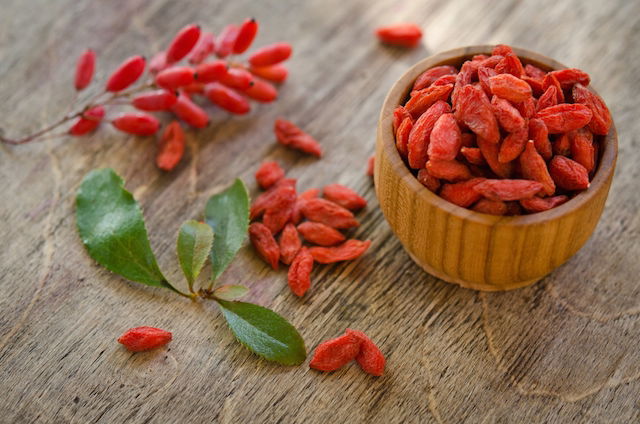
Goji berries are small, nutrient-dense fruits native to Asia that are scientifically known as Lycium chinense and Lycium barbarum. These berries are packed with vitamin C and carotenoid compounds, which provide powerful goji berry benefits like improved immunity and the prevention of premature aging.
The high fiber content and B vitamins found in these berries support healthy digestion and a more efficient metabolism. Regular consumption can also help regulate blood sugar levels and lower LDL cholesterol, making goji berry benefits essential for maintaining long-term cardiovascular health.
This fruit can be enjoyed fresh, dehydrated in recipes, or taken as a concentrated supplement in capsule form. Incorporating these berries into a balanced diet can protect eye health and reduce systemic inflammation, though people taking medications for diabetes or hypertension should consult a doctor first.
Health benefits
The main benefits of goji berries include:
1. Promoting eye and skin health
Goji berries are rich in carotenoids like zeaxanthin and beta-carotene (the precursor to vitamin A). These help maintain eye health and prevent the onset of retinopathy, macular degeneration and cataracts. The nutrients also contain polysaccharides and proteoglycans that have a naturally neuroprotective effect on the eye.
Goji berries can also protect the skin from UV rays, which can be beneficial after prolonged sun exposure.
2. Boosting immunity
Goji berries are rich in vitamin C and selenium, which have antioxidant properties that boost immunity and reduce inflammation in the body. They trigger immune cell functioning and prevent the onset of conditions like a cold or flu.
3. Lowering cholesterol
Due to their antioxidant effect and high fiber and slenium content, goji berries can play a role in lowering LDL cholesterol and improving HDL cholesterol. This can be important for preventing the development of cardiovascular diseases such as atherosclerosis, heart attack and stroke.
4. Promoting weight loss
Goji berries are low in calories and high in fiber, which can promote optimal digestion and keep you fuller for longer. They also contain B vitamins, which are micronutrients that are important for proper metabolism.
5. Preventing cancer
Some studies have shown that the bioactive components of goji berries inhibit tumor growth and prevent the spread of cancer cells. They also prevent damage to cells caused by free radicals, which can help to prevent early aging and the onset of other chronic diseases.
6. Improving mood and reducing stress
Goji berries contain vitamin B6, which can help increase serotonin production, as it is involved in the conversion of tryptophan (an amino acid) to serotonin. Serotonin is a neurotransmitter that plays a role in managing stress, anxiety and mood.
7. Preventing premature aging
Eating goji berries regularly helps to prevent premature skin aging. They are rich in vitamin C, which is a micronutrient that promotes collagen formation. Adequate collagen levels ensure that the skin remains firm and elastic, and can help to prevent wrinkles and expression lines.
Goji berries also contain beta-carotenes, polyphenols and other antioxidants that naturally protect the skin from harmful UV rays, which can prevent the formation of spots on the skin.
8. Regulating blood sugar
Some studies show that diabetes is related to oxidative stress, a process that is triggered by high amounts of free radicals in the body. This can ultimately alter how the body functions on a cellular level.
It is thought that the antioxidant activity of goji berries may help to regulate blood sugar levels and prevent diabetes, as it inhibits the activity of free radicals and reduce oxidative stress.
How to eat
The recommended dose of goji berries to obtain its health benefits depend on the form in which they are consumed:
- Raw berries: 2 tablespoons of dried goji berries per day
- Juice:120 mL of goji berry juice per day
- Supplements Two to three 500 mg capsules per day
The amount of capsules taken, however, may vary depending on the concentration of the supplement, therefore it is important to read the manufacturer's label before taking them.
Goji berries can be consumed as a snack or incorporated into yogurts, juices, granola, soups and smoothies.
Nutritional information
The following table outlines the nutritional composition of 100 g of dried goji berries:
To obtain the health benefits that goji berries have to offer, it is important to incorporate them into a healthy, active lifestyle.
Are goji berries dangerous?
Goji berries should be consumed in moderation, as this fruit may cause allergies or anaphylactic reactions in people who are sensitive to its components. Therefore, if a person shows any signs or symptoms of allergy upon eating this food, they should stop eating it immediately. Goji berries can ialso nteract with some medications, such as anticoagulants and hypoglycemic drugs, and therefore consumption should first be discussed with your prescriber or pharmacist.
Contraindications for use
Goji berries should not be consumed by people who are being treated with medications for diabetes, hypertension or who use anticoagulants, such as warfarin and aspirin.
In addition, it has been found that this fruit can also interact with antibiotics, antifungals, antidepressants, antivirals, cancer medications, osteoporosis, lipid-lowering drugs and hormonal medications.
Therefore, patients with a history of chronic diseases or who take any of the above medications should consult a doctor before consuming goji berries, regardless if they are in their supplement form or fresh form.