


- Glioma is a brain tumor that affects glial cells and can cause symptoms like headaches, nausea, confusion, seizures, and vision changes.
- Gliomas are classified by type and grade, which helps determine how aggressive the tumor is and which treatment may be recommended.
- Treatment depends on the tumor’s features and may include surgery, radiation, chemotherapy, medications, and rehabilitation.
Glioma is a group of brain tumors that affect glial cells, which help support neurons and keep the nervous system working properly.
This type of brain tumor can cause symptoms such as headache, dizziness, nausea, and vomiting. Gliomas can be classified into different grades and types based on their location, the cells involved, growth rate, and aggressiveness.
Treatment for glioma is managed by an oncologist or neuro-oncologist. It varies depending on the grade and type of tumor, and may include surgery, chemotherapy, or radiation therapy.
Main symptoms
The main symptoms of glioma are:
-
Nausea and vomiting
-
Confusion
-
Difficulty thinking or speaking
-
Seizures
-
Weakness
In addition, difficulty with balance, blurred or double vision, behavior changes, or irritability may also occur.
Glioma symptoms usually appear when the tumor grows and presses on the brain or spinal cord. They can also vary depending on the area affected.
Confirming a diagnosis
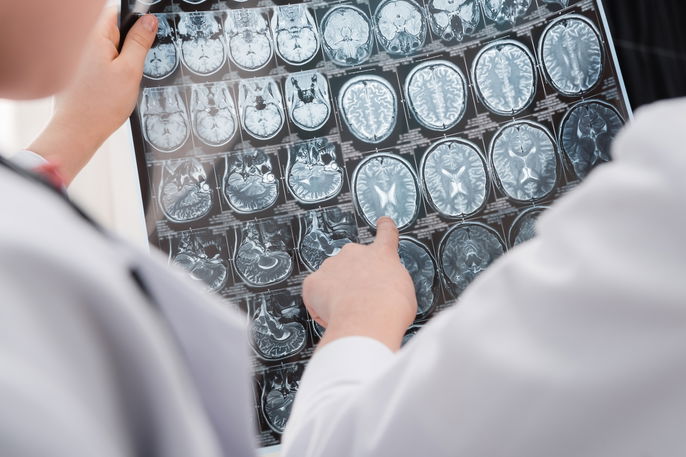
Glioma is typically diagnosed by a neurologist based on symptoms, personal and family medical history, a physical exam, a neurological exam, and imaging tests, such as a CT scan, MRI, or PET scan.
According to the National Cancer Institute, imaging tests and biopsy are part of the diagnostic evaluation for central nervous system tumors, and tumor features help guide treatment planning. These findings can help identify the tumor’s location, size, type, and grade, allowing the person to be referred to an oncologist for the most appropriate treatment.
Glioma grades and classification
Gliomas are classified based on their growth rate and level of aggressiveness as follows:
1. Grade I
This type of grade I tumor grows slowly. In many cases, the cells still look very similar to normal brain cells and do not have the ability to infiltrate brain tissue.
2. Grade II
Grade II glioma also grows slowly, but it can become aggressive over time. It is also called diffuse because it blends into normal brain tissue, which makes complete removal during surgery more difficult.
3. Grade III
This type of tumor is more aggressive. In grade III glioma, the cells multiply more quickly and no longer look like normal brain cells. This tumor can spread more easily within the brain.
4. Grade IV
Grade IV glioma is the most aggressive type and grows very quickly. The main example is glioblastoma, which is the most common malignant brain tumor in adults.
Possible causes
The exact causes of glioma are not fully understood. However, glioma is known to develop when DNA mutations in glial cells in the brain or spinal cord cause these cells to multiply abnormally and uncontrollably.
Some factors may increase the risk of glioma, including age, frequent exposure to ionizing radiation, and a family history of glioma. Glioma is more common between ages 45 and 60.
Main types
The main types of glioma are:
-
Astrocytoma: the most common type of glioma and occurs in astrocytes, which are brain cells that help support neurons by maintaining balance and communication between nerve cells
-
Ependymoma: originates in ependymal cells, which line the spaces inside the brain and spinal cord and allow cerebrospinal fluid to circulate, helping protect the nervous system
-
Oligodendroglioma: begins in oligodendrocytes, which are cells responsible for forming the myelin sheath, a layer that surrounds neurons and helps transmit electrical signals in the brain
Gliomas are classified by the particular cells in the brain or spinal cord where they start, which in turn influences how fast they grow and what treatment options are recommended.
Treatment options
According to the National Cancer Institute, treatment for adult central nervous system tumors may involve different approaches, depending on the tumor type, grade, location, and the person’s overall health.
Treatment for glioma is typically managed by an oncologist or neuro-oncologist, often as part of a multidisciplinary team, and may include:
1. Surgery
The initial treatment for glioma is surgery, which aims to remove the tumor. This requires opening the skull, a procedure called craniotomy, so the neurosurgeon can access the brain mass and the tumor.
2. Radiation
Radiation therapy is used to eliminate cancer cells or reduce their growth. It may be recommended to complement surgical treatment for glioma removal.
This type of treatment may be used alone or together with chemotherapy.
3. Chemotherapy
Chemotherapy for glioma uses chemotherapy drugs that help destroy cancer cells located in the brain or that have spread through the body.
The main chemotherapy drugs that may be recommended for glioma include temozolomide, carmustine, procarbazine, lomustine, or vincristine.
4. Tumor treating fields (TTF)
Tumor Treating Fields (TTF) may be recommended for the treatment of gliomas, especially glioblastoma.
This type of treatment uses electrodes placed on the scalp to disrupt the division of tumor cells.
5. Medications to control symptoms
Some medications, such as anticonvulsants or corticosteroids, may be prescribed by the doctor to relieve, control, or prevent symptoms such as seizures or brain swelling.
These medications should only be taken under medical supervision, based on the symptoms present.
6. Rehabilitation
Rehabilitation during glioma treatment is very important for improving quality of life. Physical therapy may be recommended to strengthen the muscles and improve motor control, while speech therapy may be recommended for speech disorders.
In addition, occupational therapy may be recommended to help the person become more independent with daily activities at home or school, such as eating or walking.
Can glioma be cured?
Whether glioma can be cured depends on the tumor’s type and grade. Low-grade gliomas, especially grade I tumors, may be curable with surgery, particularly when the tumor is completely removed.
Grade II gliomas grow more slowly, but they are diffuse and generally cannot be cured, although treatment can control the disease for many years.
High-grade gliomas, such as grades III and IV, are more aggressive, difficult to treat, and currently have no cure. However, treatment can help improve the person’s quality of life.
