


Glaucoma eye drops are essential medications such as adrenergic agonists, beta-blockers, prostaglandin analogs, or cholinergic agonists. Common examples used in treatment plans include brimonidine tartrate, timolol maleate, and bimatoprost.
These specialized drops work by lowering intraocular pressure, which is the internal fluid pressure that typically rises in patients with glaucoma. Consistent daily use is generally required for life to manage the condition and prevent permanent blindness caused by optic nerve damage.
Patients should only use these medications under the direct supervision of an ophthalmologist who considers individual health factors like asthma or heart disease. It is critical to continue the prescribed regimen even if side effects occur until a medical professional can safely adjust the treatment plan.
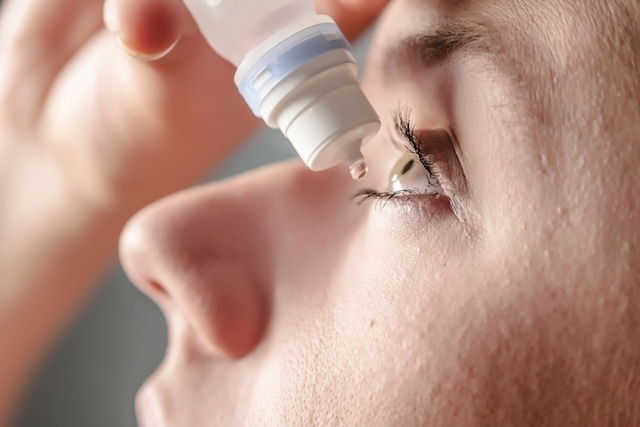
Main eye drops for glaucoma
The primary types of eye drops used to treat glaucoma include:
1. Adrenergic agonists
These drops work by reducing the production of aqueous humor and eventually increasing its drainage. This dual action effectively lowers the pressure inside the eye.
A common example of an adrenergic agonist is brimonidine tartrate, which is often sold under the brand name Alphagan.
Side effects: headache, dry mouth, fatigue, eye redness, stinging, blurred vision, foreign body sensation, allergic reactions, and itching.
2. Beta-blockers
Beta-blockers function by decreasing the amount of fluid produced within the eye, which results in lower intraocular pressure.
A widely used beta-blocker for glaucoma is timolol maleate, available under brand names such as Timoptic or Istalol.
Side effects: corneal sensitivity changes, blurred vision, low blood pressure, reduced heart rate, and fatigue. These may cause mild shortness of breath in individuals with a history of asthma.
3. Prostaglandin analogs
These medications focus on improving the outflow or drainage of aqueous humor to help lower internal eye pressure.
Common examples of prostaglandin analogs include bimatoprost (Lumigan), latanoprost (Xalatan), and travoprost (Travatan).
Side effects: stinging, blurred vision, redness, itching, and a burning sensation.
4. Carbonic anhydrase inhibitors
These drugs work by inhibiting the enzyme carbonic anhydrase, which effectively slows down the secretion of fluid in the eye.
Examples of carbonic anhydrase inhibitor drops include dorzolamide (Trusopt) and brinzolamide (Azopt).
Side effects: stinging, burning, and temporary blurred vision.
5. Cholinergic agonists
Cholinergic agonists reduce intraocular pressure by decreasing the resistance to fluid drainage. While effective, they are less commonly used for long-term management today due to their side effect profile.
Examples of these drops include pilocarpine (Isopto Carpine) and carbachol (Isopto Carbachol).
Side effects: eye irritation, headaches, ciliary spasms, redness, reduced night vision, and induced nearsightedness, particularly in younger patients.
6. Rho-kinase inhibitors
Rho-kinase inhibitors are a newer class of drops that lower pressure by specifically increasing the drainage of fluid through the eye's primary meshwork.
An example of an FDA-approved rho-kinase inhibitor available in the United States is netarsudil (Rhopressa).
Side effects: eye redness, itching, corneal deposits, and small spots of bleeding on the white part of the eye (sclera).
7. Combination formulas
Combination drops blend two or more active ingredients into a single bottle, providing a convenient option for patients who require multiple medications.
Common FDA-approved combination drops include Cosopt, Combigan, and Simbrinza.
Side effects: these vary depending on the specific active ingredients included in the mixture.
How to use eye drops correctly
To ensure glaucoma eye drops are effective, follow these application steps:
-
Wash your hands thoroughly with water and mild soap.
-
Tilt your head back and look toward the ceiling.
-
Gently pull down your lower eyelid with one hand to create a small pocket.
-
Hold the bottle upside down with the other hand, hovering it over the eye pocket without letting the tip touch your eye.
-
Administer the exact number of drops prescribed by your doctor.
-
Close your eye and apply light pressure to the inner corner (near the nose) for about one minute.
If you are prescribed multiple types of drops, wait at least five minutes between applications to allow for proper absorption.
To prevent infection, never touch the dropper tip with your fingers or allow it to contact your eye, eyelid, or any other surface.
Diet to support your treatment
Maintaining a balanced diet rich in antioxidants can support overall eye health and disease management. Focus on nutrients like vitamins A, C, and E, as well as minerals such as zinc and selenium.
These nutrients are found in high concentrations in oranges, pineapples, carrots, pumpkin, strawberries, and raspberries. Additionally, bilberry is often noted for its antioxidant properties that may help support night vision and circulation within the eye.
It is advisable to limit intake of sugar, excessive salt, and high amounts of caffeine, as these substances can contribute to spikes in blood and eye pressure.
Physical activity and eye pressure
Regular exercise can help lower eye pressure and manage related risk factors like hypertension and diabetes. Aim for 40 minutes of moderate activity, such as walking or cycling, four times per week.
However, you should avoid exercises that involve inverted positions where your head is lower than your heart (common in some yoga or Pilates poses). These positions can dangerously increase pressure in the head and eyes; always consult your doctor before starting a new fitness routine.