


Giardiasis is an infection caused by the protozoan Giardia lamblia. It occurs when a person ingests cysts of the parasite that are present in contaminated water, food, or objects.
This infection is more common in children and can cause symptoms such as diarrhea, nausea, yellow stools, abdominal pain, and bloating. Seeing a doctor is important so treatment can begin promptly.
To treat giardiasis, a doctor may prescribe medications that fight the parasite, such as metronidazole, tinidazole, or secnidazole. Rest and plenty of fluids are also recommended to prevent dehydration caused by diarrhea.
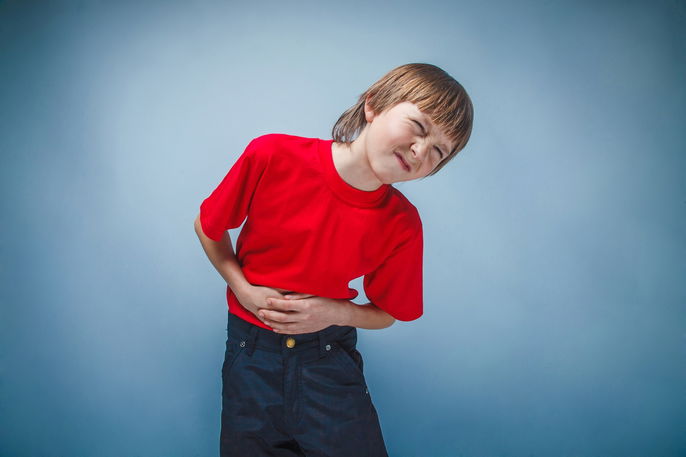
Main symptoms
The most common symptoms of giardiasis are:
-
Diarrhea, which may be sudden and severe or mild and persistent
-
Abdominal cramps
-
Nausea and stomach pain
-
Bloating and excess gas
-
Unintentional weight loss
-
Yellow stools that float easily, indicating fat in the stool
-
Heartburn, burning sensation, and indigestion
These symptoms usually appear 7 to 10 days after ingesting Giardia lamblia. They may develop suddenly or gradually.
Also recommended: 10 Parasite Symptoms (w/ Online Symptoms Quiz) & Treatment tuasaude.com/en/intestinal-worms-symptomsSome people may not experience any symptoms, while others may have symptoms that come and go.
How a diagnosis is confirmed
Giardiasis is diagnosed by a gastroenterologist, pediatrician, or primary care doctor based on symptoms and stool testing.
Stool tests are usually performed by collecting samples over several days and analyzing them in the lab to check for parasite cysts.
However, it is not uncommon for results to come back negative even when infection is present. For this reason, repeat stool tests or other exams may be needed, such as blood and stool immunological tests, or in some cases, intestinal aspirate collection or biopsy.
Prompt diagnosis is important to reduce the risk of complications like malnutrition or anemia caused by poor nutrient absorption in the intestines.
Transmission of giardiasis
Giardiasis is transmitted through ingestion of mature Giardia lamblia cysts. This can happen in the following ways:
-
Drinking contaminated water
-
Eating contaminated food, such as raw or poorly washed vegetables
-
Person-to-person contact through contaminated hands, especially in crowded settings like daycare centers
-
Anal sexual contact
Pets can also become infected with Giardia and pass on the parasite. They should be treated if infection is suspected.
Treatment options
Treatment for giardiasis is carried out with antiparasitic medications such as metronidazole, tinidazole, or secnidazole, prescribed by a doctor.
Treatment usually lasts 1 to 5 days, depending on the medication used and the severity of symptoms. In persistent or recurring cases, treatment may continue for up to 3 weeks.
It is also important to rest and stay hydrated by drinking plenty of fluids such as water, juices, soups, oral rehydration solution, or electrolyte replacement salts. In severe cases, IV fluids may be needed in the hospital to prevent or treat dehydration caused by diarrhea.
How to prevent giardiasis
Preventing giardiasis mainly involves good hygiene practices, such as:
-
Washing hands after using the bathroom, handling animals, changing diapers, or gardening
-
Washing hands before handling food or drinks
-
Washing vegetables thoroughly, especially those eaten raw
-
Keeping pets dewormed and treating them properly if they are infected
-
Avoiding water from rivers, lakes, or untreated taps; in these cases, water should be boiled or filtered before drinking
When giardiasis is suspected or confirmed, certain precautions should also be taken: children should not attend school, and food preparation should be avoided while symptoms are present.
It is also important to avoid sharing towels and kitchen utensils, and to avoid swimming in pools for 2 weeks after diarrhea has ended.