


Gallstones may not cause noticeable symptoms for months. However, when they grow larger or block the bile ducts, gallstones symptoms such as severe abdominal pain, loss of appetite, and yellowing of the skin can appear.
Gallstones usually develop when the gallbladder has trouble emptying or when there is too much cholesterol in the bile, a substance that helps digest fat. This leads to the formation of small crystals.
Diagnosis should be made by a primary care doctor, surgeon, or gastroenterologist, based on symptoms and imaging tests such as an ultrasound. Treatment may include medications or surgery.
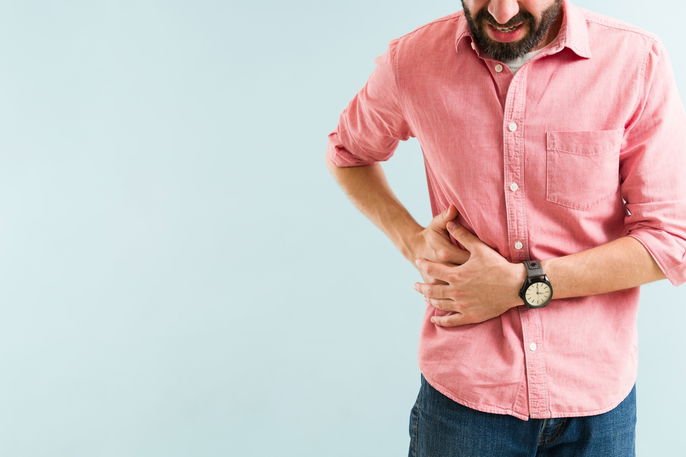
Main symptoms
The most common gallstones symptoms include:
1. Severe pain on the right side of the abdomen
Severe pain, called biliary colic, occurs in the upper right side of the abdomen, usually within an hour after eating.
The pain starts suddenly, may gradually get worse, and can last anywhere from 30 minutes to several hours. It may also radiate to the middle of the abdomen, right arm, or collarbone.
2. Fever
When a gallstone gets stuck in the neck of the gallbladder, it can cause inflammation known as cholecystitis. This often leads to fever of 100.4 °F (38 °C) or higher, along with chills.
3. Frequent diarrhea
Diarrhea may happen because bile, which normally helps digest fat, cannot leave the gallbladder and reach the intestines. This results in more fat in the stool, making it softer and bulkier.
4. Nausea and/or vomiting
Because the gallbladder is involved in digestion, gallstones can cause nausea and vomiting, especially after meals.
5. Loss of appetite
Loss of appetite can occur due to discomfort after eating, which reduces the desire to eat. It may also happen because the digestive system has trouble processing food.
6. Yellow-green skin and eyes
A yellow-green color of the skin and eyes, known as jaundice, occurs when bilirubin builds up in the blood. Normally, bilirubin is produced by the liver, stored in the gallbladder, and later released into the intestines with bile to be eliminated in the stool.
When bilirubin is produced in excess or cannot be cleared properly, it accumulates in the blood, leading to the yellow discoloration.
Symptoms of gallbladder rupture
Symptoms of a ruptured gallbladder include sudden and severe pain in the upper right abdomen, yellowing of the skin and eyes, fever, nausea, and vomiting.
A rupture can be caused by gallstones, gallbladder infections, ascariasis, biliary sludge, or injuries from accidents, falls, or sports.
If gallbladder rupture is suspected, emergency care is required.
What to do if gallstones are suspected
If gallstones symptoms are present, it is important to see a gastroenterologist or primary care doctor. Tests such as an abdominal ultrasound can confirm the presence of gallstones.
If the pain is constant and accompanied by fever or vomiting, immediate medical attention is needed.
In some cases, additional tests such as MRI, scintigraphy, or CT scan may be used to check for inflammation of the gallbladder.
Main causes
Gallstones form due to changes in the composition of bile, which can happen as a result of:
-
A diet high in fat and low in fiber
-
High cholesterol
-
Diabetes
-
High blood pressure
-
Sedentary lifestyle
-
Long-term use of birth control pills
-
Family history
Women are also more likely than men to develop gallstones because of hormonal factors.
How treatment is done
Treatment for gallstones should be guided by a gastroenterologist or primary care doctor and depends on the size of the stones and whether symptoms are present.
People with small stones or no symptoms are often treated with medications like ursodiol (FDA-approved), which helps dissolve the stones.
For those with frequent symptoms, surgery to remove the gallbladder may be recommended. Shock wave therapy, which breaks gallstones into smaller pieces, may also be an option, similar to treatment for kidney stones.
In addition, avoiding a diet high in fat, such as fried foods and red meat, and engaging in regular physical activity are important steps for managing gallstones.