


- The gallbladder stores and releases bile to help the body digest fats and absorb certain vitamins.
- Gallbladder problems can cause sudden right-sided abdominal pain, nausea, fever, or yellowing of the skin and eyes.
- Treatment depends on the cause and may include dietary changes, medication, monitoring, or surgery.
The gallbladder is a pear-shaped organ that is part of the digestive system. Located beneath the liver in the upper right side of the abdomen, it concentrates, stores, and releases bile, a digestive fluid made up of cholesterol, bile salts, bile pigments, immunoglobulins, and water.
Conditions such as gallstones and polyps can interfere with how the gallbladder works. They may cause symptoms such as severe pain on the right side of the abdomen, fever, or yellowing of the skin.
Anyone experiencing these symptoms should see a primary care provider or gastroenterologist for an evaluation. Treatment depends on the underlying cause and may include dietary changes, medication, or surgery.
What does the gallbladder do?
The main functions of the gallbladder are:
-
Storing and concentrating the bile produced by the liver
-
Emptying and refilling its bile supply in response to the hormone cholecystokinin, which stimulates bile release
-
Producing sodium bicarbonate, which is part of bile and helps neutralize stomach acid
-
Producing mucins, which protect gallbladder cells from bile
-
Releasing bile into the small intestine to help digest fats and absorb vitamins from food
The amount of bile released depends on the amount of fat that needs to be digested and the amount of cholecystokinin produced by the intestine.
Where is the gallbladder located?
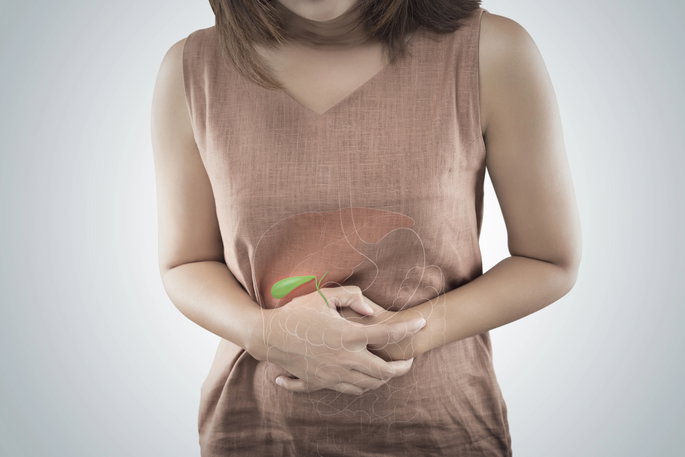
The gallbladder is located in the upper right side of the abdomen, beneath the right lobe of the liver. It is shaped like a small sac or pear and stores the bile produced by the liver.
The gallbladder is about 3 to 4 inches (7 to 10 cm) long and has a greenish color because of the substances found in bile. These include water, pigments, bile salts, inorganic salts, sodium bicarbonate, cholesterol, and fats, and the gallbladder can store up to about 50 mL of bile.
Gallbladder symptoms
The main symptoms of gallbladder problems include:
-
Severe right-sided abdominal pain that begins suddenly
-
Upper abdominal pain that spreads to the ribs, back, or other areas of the abdomen
-
A general feeling of being unwell
-
Abdominal bloating or excessive gas
-
Nausea or vomiting
-
Sweating
-
Yellowing of the skin or eyes
-
Fever
Symptoms of gallbladder problems often appear after eating a high-fat meal. A gastroenterologist or primary care provider should be consulted to determine whether the gallbladder is affected.
An evaluation can confirm the diagnosis, identify the cause, and help determine the most appropriate treatment.
Gallbladder problems
The main conditions that can affect the gallbladder include:
1. Gallstones
Gallstones, medically known as cholelithiasis, form when bile crystallizes inside the gallbladder. The crystals develop into small stones that can block the flow of bile into the intestine and cause pain.
Gallstones may also form when bile remains stored in the gallbladder for a long period.
Gallstones are more common in women, people with overweight or obesity, people with diabetes, and those who use medications such as oral contraceptives (birth control pills). A diet high in fatty foods may also contribute to their development.
Also recommended: 6 Gallstones Symptoms, Causes & Signs of a Gallbladder Rupture tuasaude.com/en/gallstones-symptomsWhat to do: Treatment for gallstones should be recommended by a gastroenterologist or surgeon and depends on symptoms, stone size, age, overall health, and related medical conditions.
According to the National Institute of Diabetes and Digestive and Kidney Diseases, gallstones that do not cause symptoms may not require treatment, while symptomatic gallstones are usually treated with surgery to remove the gallbladder.
2. Biliary dyskinesia
Biliary dyskinesia, sometimes informally called a sluggish gallbladder, is a functional disorder in which the gallbladder does not contract or empty normally. It can cause pain in the upper right or upper middle abdomen, particularly after eating, as well as nausea or vomiting.
The exact cause is not always known. Diagnosis usually involves ruling out gallstones and other conditions and may include a HIDA scan to evaluate how well the gallbladder empties.
What to do: Treatment should be recommended by a gastroenterologist or surgeon and depends on the symptoms and test results. Dietary changes may help reduce symptoms, but surgery to remove the gallbladder may be considered in selected cases.
3. Gallbladder polyps
Gallbladder polyps are growths that develop on the inner lining of the gallbladder. Most are benign, do not cause symptoms, and are found incidentally during an abdominal ultrasound or an evaluation for another condition.
When symptoms such as nausea, vomiting, pain on the right side of the abdomen, or yellowing of the skin or eyes occur, they may be related to another gallbladder or bile duct problem and should be evaluated by a doctor.
What to do: Management depends on the size, appearance, and growth of the polyp, as well as individual risk factors. A doctor may recommend no follow-up, periodic ultrasound examinations, or referral to a surgeon for gallbladder removal if the polyp is large or has suspicious features.
4. Cholecystitis
Cholecystitis is inflammation of the gallbladder, most commonly caused by gallstones. Less commonly, it may be caused by a gallbladder tumor.
It can cause symptoms such as pain in the upper right side of the abdomen, nausea, vomiting, fever, or tenderness when the area is pressed. The pain may begin suddenly and become severe quickly, or it may be chronic, with milder symptoms that develop gradually over time.
What to do: Anyone with right-sided abdominal pain and fever should seek immediate medical evaluation at an emergency department. Treatment may include IV fluids, antibiotics, pain medication, and, in many cases, surgery to remove the gallbladder.
5. Bile reflux
Bile reflux, also known as duodenogastric reflux, occurs when bile released into the intestine flows back into the stomach or esophagus. This raises the pH and can damage the stomach’s protective mucus lining, leading to inflammation.
What to do: Treatment for bile reflux should be managed by a gastroenterologist. Depending on the cause and severity of symptoms, the doctor may recommend medications, including off-label use of ursodiol (ursodeoxycholic acid) to help improve bile flow in some cases.
In more severe cases or when symptoms do not improve with treatment, surgery may be necessary.
6. Gallbladder cancer
Gallbladder cancer is a rare but serious condition that is often difficult to diagnose early. According to the National Cancer Institute, symptoms are uncommon in the early stages and may resemble those of other conditions.
As a result, it is often diagnosed at an advanced stage, when it may already have spread to nearby tissues or organs, such as the liver.
Symptoms may include yellowing of the skin and eyes, abdominal pain and swelling, loss of appetite, and unexplained weight loss.
What to do: Treatment for gallbladder cancer should be managed by an oncology team. Depending on the stage of the cancer and whether it can be removed, treatment may include surgery, radiation therapy, chemotherapy, or a combination of these treatments.