


The FSH blood test measures follicle-stimulating hormone, a hormone made by the pituitary gland that controls sperm production in men and egg maturation in women. Because of its role in reproduction, FSH is closely linked to fertility and overall reproductive health.
An FSH blood test helps evaluate whether the ovaries and testicles are functioning properly. It is commonly used to investigate irregular or missed periods, early or delayed puberty, low sperm count, and to help confirm menopause.
FSH levels vary by age, sex, and menstrual cycle phase. Understanding FSH blood test reference ranges, causes of high or low levels, and test procedures helps clarify its role in diagnosing hormonal and pituitary disorders.
Why it's ordered
The FSH blood test is used to:
-
Investigate the cause of a missed period or irregular periods;
-
Investigate the cause of early or delayed puberty;
-
Assess whether a woman has entered menopause;
-
Check whether the testicles or ovaries are functioning properly;
-
Investigate the cause of low sperm count in men;
-
Assess whether a woman is ovulating and releasing eggs normally;
-
Evaluate pituitary gland function;
-
Investigate the presence of a tumor.
According to the American College of Obstetricians and Gynecologists (ACOG), follicle-stimulating hormone testing is used to help evaluate infertility, menstrual disorders, and menopause, as well as conditions that affect ovarian function
Test procedure
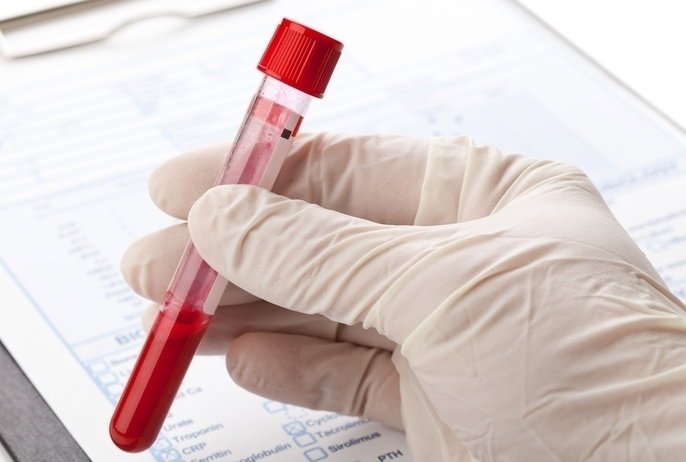
The FSH blood test is done by taking a small blood sample, which is sent to a laboratory for analysis.
In general, fasting is not required for this test. However, some medications, such as birth control pills, cimetidine, clomiphene (Clomid), and levodopa, can affect results, so be sure to inform your doctor about any medications you are taking. They will decide if any should be paused temporarily.
Recent contrast dye tests (like thyroid imaging) can interfere with results, so report those as well.
FSH reference values
In general, FSH reference values are:
-
Children: up to 2.5 mIU/mL;
-
Adult men: 1.4 - 13.8 mIU/mL;
-
Adult women in the follicular phase: 3.4 - 21.6 mIU/mL;
-
Adult women in the ovulatory phase: 5.0 - 20.8 mIU/mL;
-
Adult women in the luteal phase: 1.1 - 14.0 mIU/mL;
-
Women in menopause: 23.0 - 150.5 mIU/mL.
FSH levels vary by age and sex. In infants and children, FSH is usually undetectable or present only at very low levels, and it is normal for production to increase during puberty.
According to CDC, follicle-stimulating hormone is produced by the anterior pituitary gland and helps regulate the development and function of the reproductive system, including the menstrual cycle.
FSH testing is not usually ordered during pregnancy because FSH levels change significantly during this period due to hormonal shifts.
FSH reference ranges also vary between laboratories, so clinicians should always interpret results using the reference ranges provided by the laboratory that performed the test.
Interpreting results
Doctors use FSH test results to identify potential causes of elevated or reduced levels, considering the patient's age and sex.
High FSH
In women, high FSH may be related to loss of ovarian function before age 40, postmenopause, Klinefelter syndrome, and/or the use of medications containing progesterone or estrogen.
In men, high FSH may occur due to loss of testicular function, orchiectomy (surgical removal of the testes), high testosterone levels, Klinefelter syndrome, use of testosterone medications, chemotherapy, or alcohol use disorder.
Low FSH
Low FSH levels in women may indicate an ovulation disorder (when the ovaries do not release eggs normally), pregnancy, anorexia nervosa, or use of corticosteroids or birth control pills.
Low FSH in men may be related to low sperm production, reduced pituitary gland or hypothalamus function, stress, or low body weight.