


Fennel is a versatile medicinal plant commonly used to soothe menstrual cramps and support healthy digestion. Many people rely on these fennel benefits as a natural remedy for reducing excess gas and relieving both intestinal and infant colic.
These therapeutic effects are driven by bioactive compounds in Foeniculum vulgare like tannins, alkaloids, and flavonoids. These natural components provide the plant with its characteristic analgesic and antispasmodic properties, which help relax smooth muscles throughout the body.
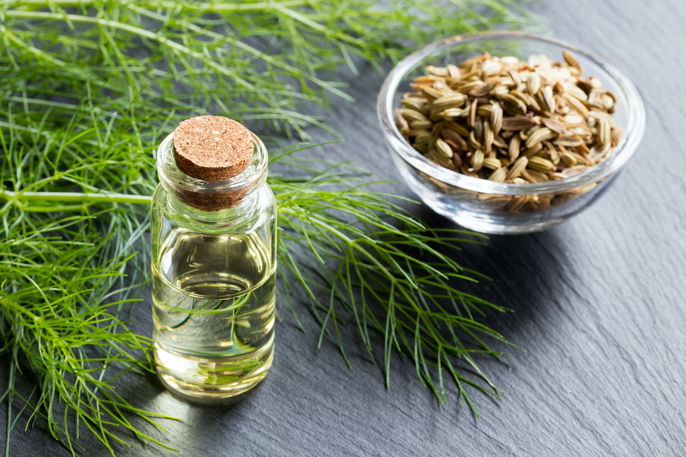
Beyond its medicinal use, the seeds, stalks, and leaves are popular additions to everything from fresh salads to savory fish dishes. While there are many culinary applications, the most potent fennel benefits are often found when it is consumed as a concentrated tea, essential oil, or tincture.
Health benefits
The primary health benefits of fennel include:
1. Relieving menstrual cramps
Fennel helps alleviate mild menstrual cramps through its analgesic and antispasmodic actions. These effects are driven by essential oils like anethole, which help inhibit contractions in the smooth muscle of the uterus.
Additionally, the compounds in fennel help lower prostaglandins. These are inflammatory mediators that cause blood vessels and muscles to contract, which is a primary source of period pain.
2. Reducing pms symptoms
Fennel may help manage mild to moderate PMS symptoms due to its estrogenic, pain-relieving, and antispasmodic properties.
Research suggests fennel can help ease anxiety and low mood during the premenstrual phase. Its estrogenic compounds may interact with the central nervous system to modulate GABA receptors, a neurotransmitter that regulates anxiety, creating a calming effect. It may also reduce other common symptoms like headaches, fatigue, and nausea.
3. Soothing intestinal and infant colic
Because of its ability to relax muscles, fennel is often used to calm intestinal cramps in adults and may support the management of conditions like irritable bowel syndrome (IBS).
Furthermore, fennel has been shown to help reduce the duration and intensity of colic episodes in infants.
4. Improving digestion
Fennel is frequently used to treat indigestion (dyspepsia), feelings of fullness, abdominal bloating, and flatulence.
It works by stimulating the secretion of gastric acid, which helps break down food more efficiently. It also boosts the activity of key digestive enzymes, such as pancreatic lipase and amylase. Additionally, its effects on bile secretion help the body process fats more effectively.
5. Combating excess gas
Fennel helps eliminate gas and reduce bloating by relaxing the smooth muscles of the intestines. This allows trapped gas to move through the digestive tract more easily, relieving associated pressure and pain.
The essential oils in the plant also help maintain a healthy balance of gut flora by inhibiting the growth of harmful bacteria that often produce excess gas.
6. Supporting heart health
Fennel may help manage blood pressure by encouraging blood vessels to relax and assisting the kidneys in excreting excess water and sodium.
Its antioxidant properties also play a role in heart health by helping to lower total cholesterol, triglicerides, and LDL (bad) cholesterol levels, which can reduce the overall risk of cardiovascular disease.
7. Stimulating breast milk production
In traditional medicine, fennel is widely used as a galactagogue to increase breast milk supply. Studies suggest that trans-anethole, a compound in the plant, may trigger an increase in prolactin levels in the blood.
Fennel also contains phytoestrogens that mimic estrogen, which can promote the growth of breast tissue and facilitate the flow of milk.
8. Managing anxiety and sleep
Fennel is a common folk remedy for anxiety and insomnia. By interacting with GABA receptors in the brain, it helps inhibit overactivity and promotes a state of relaxation.
Read more about anxiety treatments, including medical and natural approaches.
9. Relieving diarrhea and constipation
Fennel can help manage diarrhea and abdominal pain by fighting off pathogenic bacteria like E. coli and Salmonella that cause intestinal infections.
Conversely, it also helps with constipation by speeding up intestinal transit time. This helps food and waste move through the system more quickly while stimulating regular stomach emptying.
Is fennel the same as anise?
Fennel and anise are often confused because they look similar and both have a licorice-like flavor, but they are different plants with distinct properties.
Anise (Pimpinella anisum) typically has white flowers, broad leaves, and small, rounded seeds.
Fennel (Foeniculum vulgare) features feathery, thin leaves, yellow flowers, and seeds that are larger and more elongated than those of anise.
How to use fennel
Fennel seeds are commonly used in teas, tinctures, and essential oils, or added to recipes like cakes and pies. The stalks and leaves are excellent for seasoning meats, fish, and salads.
Common methods of use include:
1. Fennel tea
This tea is often used for cramps, digestion, gas, and milk production.
Ingredients:
-
5 oz (150 ml) of water
-
1 teaspoon (5 to 7 g) of crushed fennel seeds or fresh leaves
Preparation:
Bring the water to a boil, then turn off the heat and add the fennel. Cover and steep for 10 to 15 minutes. Once lukewarm, strain and drink. Limit intake to once a day, staying under the maximum daily dose of 7 g of fennel.
2. Whole or ground seeds
Fennel seeds can be used in baking such as in breads and cookies or as a dry rub for proteins. The fresh bulb and leaves can also be eaten raw in salads, simmered in soups, or sautéed as a side dish.
3. Fennel essential oil
In aromatherapy or skincare, fennel oil is used to support lymphatic drainage, wound healing, or relaxation. It should generally be diluted with a carrier oil, such as coconut or jojoba oil, before being massaged into the skin.
4. Fennel tincture
Tinctures are concentrated extracts often used for gas and digestion. A 10% tincture is typically taken in doses of 1 to 3 mL, diluted in about 2 oz (50 mL) of water, up to three times per day.
Also recommended: How to Make a Tincture: Step-by-Step Guide (& Health Benefits) tuasaude.com/en/how-to-make-a-tincturePotential side effects
Fennel may cause side effects in some individuals, including skin allergies, asthma, or contact dermatitis. It can also increase skin sensitivity to light (photosensitivity), so it is best to avoid heavy sun exposure when using it topically.
Contraindications and safety
Fennel is not recommended during pregnancy as it may stimulate uterine contractions. People with a history of epilepsy should also avoid it. Fennel products like teas and tinctures should not be used for extended periods.
Additionally, those with allergies to the Apiaceae family (like carrots or celery), individuals with hyperestrogenism, or women with very heavy menstrual cycles should avoid fennel.
Fennel tinctures specifically should be avoided by pregnant or breastfeeding women, as well as those with diabetes or alcohol dependencies. Breastfeeding women and children should only use fennel under the direct supervision of a healthcare provider.