


Eye drops for pink eye typically include antibiotic, antiallergic, corticosteroid, or lubricant formulas. The specific type you need depends on what is causing the inflammation in your conjunctiva, the white part of your eye.
Pink eye can stem from viral or bacterial infections or may occur as a result of an allergic reaction. Common symptoms include persistent redness, a burning sensation, or intense itching in the affected eye.
If you notice symptoms that suggest pink eye, it is important to consult an ophthalmologist for a proper diagnosis. A specialist can identify the specific type of pink eye and recommend the most effective treatment plan for you.
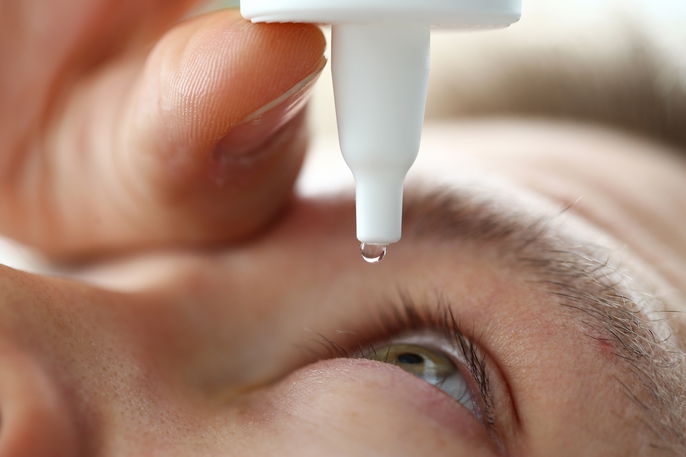
Eye drop options for pink eye
The treatment for pink eye varies based on the underlying cause. Here are the primary categories:
1. Viral pink eye
Viral pink eye usually clears up on its own without the need for prescription medical intervention.
However, an eye doctor may suggest using hydrating eye drops or artificial tears, such as:
- Refresh
- Visine
- Systane
- TheraTears
- Refresh Tears
These are applied 3 to 4 times a day, and can help soothe the symptoms of viral pink eye, including itching, redness, and the sensation of having sand in your eyes.
In specific cases involving viral keratoconjunctivitis, where the inflammation spreads to the cornea, a doctor may prescribe anti-inflammatory drops like Lotemax to reduce discomfort.
2. Bacterial pink eye
Bacterial pink eye is treated with antibiotic eye drops for a period of 7 to 10 days. These medications help clear up symptoms like eye pain and thick discharge.
Common antibiotic eye drops recommended by ophthalmologists for bacterial infections include:
- Gentamicin-Betamethasone
- Maxitrol
- Tobradex
- Vigamox
- Ciloxan
- Pred-G
These products often combine an antibiotic with a corticosteroid. This combination helps reduce inflammation, tearing, and the general discomfort caused by the infection.
It is vital to use these drops exactly as your doctor prescribes. Do not stop using them early, even if your symptoms improve, to ensure the infection is fully eliminated.
3. Allergic pink eye
For allergic pink eye, an ophthalmologist may recommend hydrating eye drops like
- Visine
- Systane
- Refresh Tears. These help alleviate burning, itching, and excessive tearing.
Additionally, a doctor might prescribe antiallergic drops with antihistamine properties. Common US options include Elestat, Zaditor, Lastacaft, or Flarex.
4. Chemical pink eye
Chemical pink eye occurs when the eyes come into contact with irritants like soap, cleaning supplies, smoke, or caustic chemicals.
If this happens, you should immediately flush your eyes with plenty of water or saline solution and then seek medical attention.
A doctor may then recommend lubricant drops, artificial tears, or corticosteroid eye drops, depending on how severe the irritation is.
In some instances, antibiotic eye drops might also be prescribed to prevent a secondary bacterial infection from developing.
How to apply eye drops correctly
Following the proper steps for applying eye drops can ensure a faster recovery. Use this step-by-step guide:
-
Wash your hands thoroughly with soap and water.
-
Open the bottle carefully, making sure not to touch the dropper tip.
-
Lie down or tilt your head back comfortably.
-
Gently pull down your lower eyelid to create a small pocket.
-
Hold the dropper over the eye and squeeze the recommended number of drops into that pocket without touching the eye with the tip.
-
Keep your eye closed for 1 to 2 minutes.
-
Repeat the process for the other eye if necessary.
If you are prescribed more than one type of eye drop, wait at least 5 minutes between applications. If you are using an eye ointment along with drops, apply the drops first, wait 5 minutes, and then apply the ointment inside the lower eyelid.