


Esophagitis is inflammation of the esophagus, the tube that connects the throat to the stomach. It can cause symptoms such as heartburn, difficulty swallowing, sore throat, and chest pain.
This inflammation may occur due to infections or immune system reactions, but it most often develops from acid reflux, when stomach acid flows back into the esophagus and irritates its lining.
Treatment for esophagitis should be guided by a gastroenterologist and usually includes medications that reduce stomach acid, such as omeprazole or cimetidine. Lifestyle changes are also important, such as avoiding lying down after meals and limiting fatty foods.
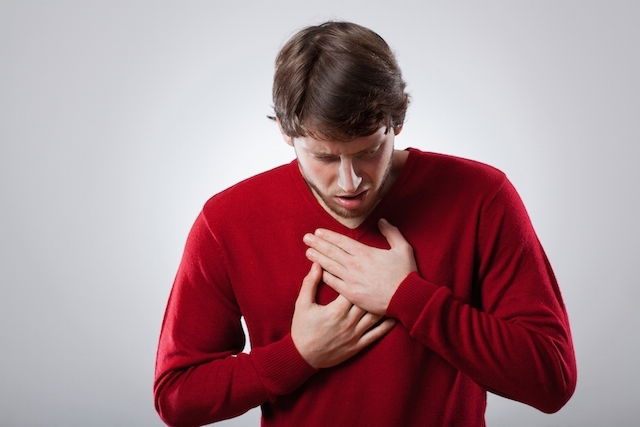
Main symptoms
The main symptoms of esophagitis include:
-
Pain or difficulty swallowing
-
Feeling that food is stuck in the throat or chest
-
Persistent heartburn or burning sensation
-
Chest pain
-
Sore throat or mouth ulcers
-
Nausea and vomiting
In babies and children, esophagitis may cause difficulty feeding, vomiting, stomach pain, irritability while eating, and, in more severe cases, poor growth or weight loss.
Confirming a diagnosis
Diagnosis of esophagitis is made by a gastroenterologist based on the person’s symptoms and how often they occur.
To confirm the condition, the doctor may order an upper endoscopy to examine the esophagus and check for inflammation or lesions. A pH test may also be done to measure the acid level in the esophagus. In suspected cases of eosinophilic esophagitis, allergy testing may be recommended.
Erosive vs non-erosive esophagitis
In erosive esophagitis, visible damage such as inflammation, sores, or erosions can be seen in the esophagus during endoscopy. This type is usually linked to more severe cases of acid reflux.
In non-erosive esophagitis, symptoms like heartburn, chest pain, and discomfort while swallowing are present, but no visible lesions are found during endoscopy.
Common causes
There are several types of esophagitis, classified by their cause:
1. Eosinophilic esophagitis
Eosinophilic esophagitis occurs when immune system cells called eosinophils build up in the esophagus. This reaction is usually triggered by allergies to foods such as milk, eggs, wheat, and soy, or by airborne allergens like pollen.
2. Reflux esophagitis
Reflux esophagitis is the most common type and happens when stomach acid flows back into the esophagus due to a weak lower esophageal sphincter. It’s often associated with gastroesophageal reflux disease (GERD).
This type of esophagitis may also result from conditions like bulimia, which involves frequent vomiting, or from a hiatal hernia, which allows acid to move more easily into the esophagus.
3. Drug-induced esophagitis
Drug-induced esophagitis occurs when certain oral medications—such as aspirin, ibuprofen, specific antibiotics, or potassium supplements—irritate the esophagus. This usually happens when the medication remains in contact with the esophageal lining for too long.
4. Infectious esophagitis
Infectious esophagitis is caused by fungal, viral, or bacterial infections. It’s more common in people with weakened immune systems, such as those with HIV, cancer, or diabetes.
5. Autoimmune esophagitis
Some autoimmune diseases, such as inflammatory bowel disease or graft-versus-host disease, can cause inflammation in the esophagus as part of their broader effects on the body.
6. Radiation esophagitis
Radiation esophagitis can develop after radiation therapy to the chest, throat, or esophagus. The inflammation is usually temporary but may become chronic in rare cases.
Treatment options
Treatment for esophagitis should be supervised by a gastroenterologist and generally includes medications that help reduce stomach acid, such as:
-
Omeprazole
-
Cimetidine
-
Aluminum hydroxide
-
Magnesium hydroxide
For eosinophilic esophagitis, the doctor may prescribe liquid corticosteroids that coat the esophagus and reduce inflammation. Dupilumab (Dupixent), an FDA-approved monoclonal antibody, may also be prescribed to help control inflammation.
When esophagitis is caused by infections, treatment may include antifungal or antiviral medications such as fluconazole or acyclovir, depending on the infection.
Lifestyle changes are also recommended to help manage symptoms and prevent recurrence, including:
-
Avoiding lying down immediately after eating
-
Limiting carbonated beverages, alcohol, caffeine, fatty foods, chocolate, and mint
-
Eating smaller, more frequent meals
-
Avoiding tight clothing around the abdomen
In rare cases where esophageal lesions don’t heal, bleeding occurs, or symptoms persist despite treatment and diet changes, surgery may be necessary.
Is esophagitis serious?
Esophagitis is not always serious but can become so if left untreated. In more advanced cases, it may lead to complications such as ulcers, esophageal narrowing (strictures), or bleeding.
Can esophagitis turn into cancer?
If esophagitis caused by chronic acid reflux is not properly treated, it can progress to a condition called Barrett’s esophagus, which increases the risk of developing esophageal cancer over time.